Jet fuel prices have climbed to new highs, offsetting revenue gains that airlines are capturing from increased ticket prices. This dynamic means higher fares for passengers will not necessarily translate into stronger profits for carriers.
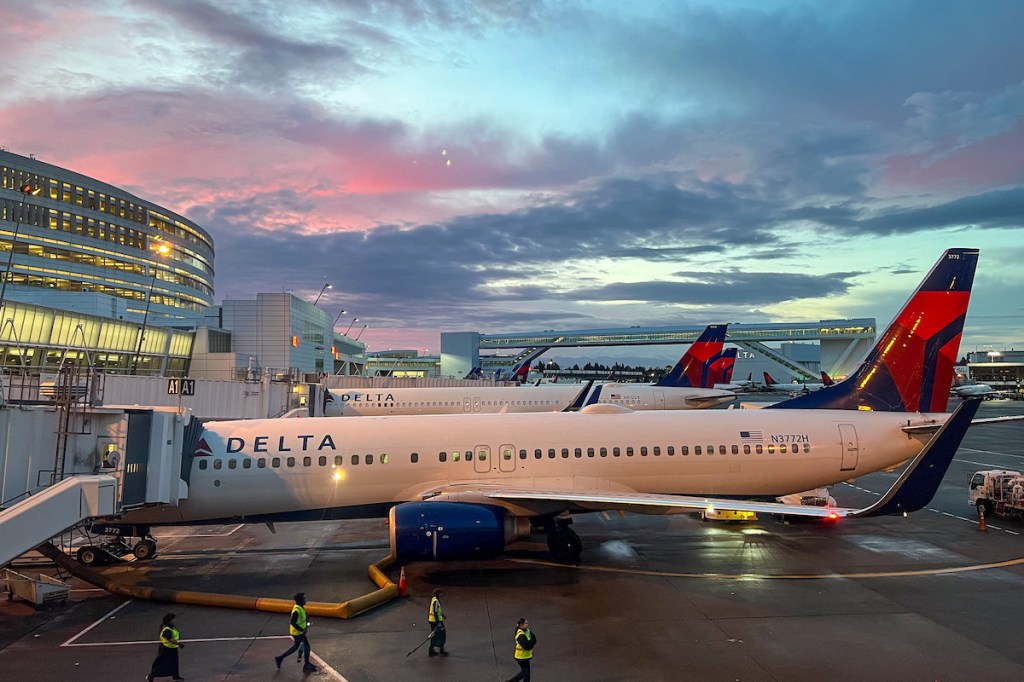
Delta Air Lines ranks among the few U.S. airlines expected to remain profitable this year despite the margin squeeze from fuel costs. Most competitors face pressure from the combination of elevated jet fuel expenses and competitive pricing pressures that limit their ability to pass full fuel costs to consumers.
The airline industry remains caught between two opposing forces. Carriers have successfully raised fares to reflect demand and operational challenges, but fuel costs have risen faster than their ability to recover those expenses through ticket sales. This leaves most airlines with thinner margins even as passengers pay more to fly.
The situation underscores a persistent challenge for the aviation sector. While airfares have climbed to levels not seen before, the economic benefit flows partially to oil markets rather than airline balance sheets. Passengers bear higher costs without corresponding improvements in airline profitability across most of the industry.
Delta's anticipated profitability suggests certain carriers have managed fuel costs or pricing strategies more effectively than peers. However, the broader picture indicates that sustained high fuel prices will constrain profit growth across U.S. airlines, even as fares remain elevated. Travelers should expect current pricing levels to persist as carriers pass through unavoidable fuel expense increases.