# Beyond the Megaclubs: Boutique Hotels Redefine Ibiza as a Destination for Discerning Travellers
Ibiza's transformation from hedonistic party island to sophisticated cultural destination accelerates as boutique hoteliers stake claim to the island's most coveted real estate. Properties ranging from restored rural fincas to design-forward urban retreats now compete with the megaclubs that built the island's reputation, offering travellers seeking authenticity an entirely different Balearic experience.
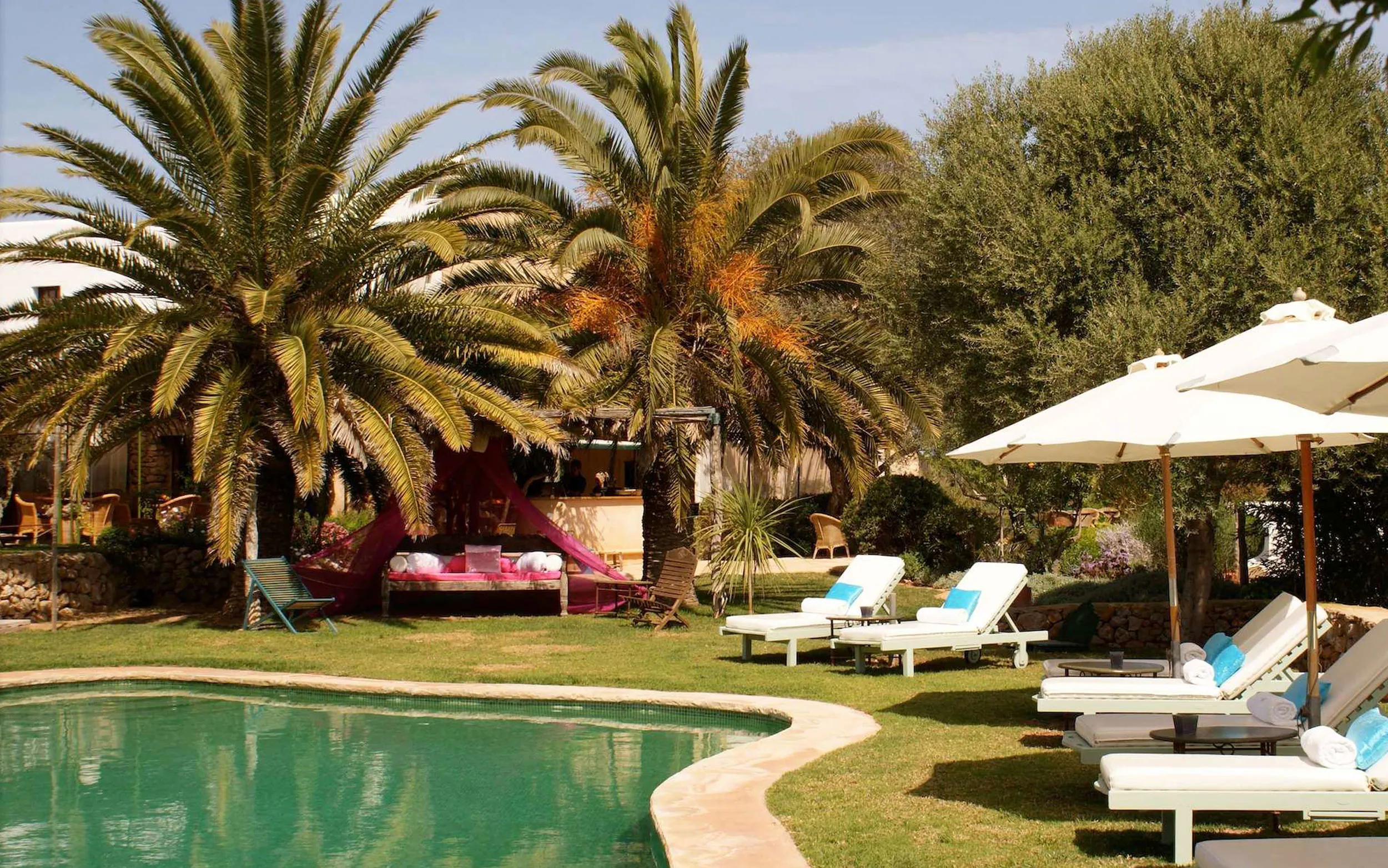
The shift reflects broader travel trends. Younger affluent travellers increasingly reject sprawling all-inclusive resorts in favour of intimate properties with distinct character. Ibiza's boutique sector delivers exactly this. Properties nestled within olive grove-bordered fincas in the island's interior deliver rural tranquility just kilometres from the island's famous nightlife. These conversions preserve traditional Balearic architecture while introducing contemporary amenities, spa facilities, and farm-to-table dining that justify premium pricing.
Urban boutique properties overlooking Dalt Vila, Ibiza's UNESCO-listed old town, occupy a different market entirely. These art-filled stays appeal to culture-focused travellers who navigate narrow cobblestone streets by day, then retreat to rooftop terraces and intimate courtyards by evening. The Dalt Vila location carries cachet. Views of the walled medieval town, illuminated at night, command premium rates and occupy Instagram feeds year-round.
Pricing reflects this positioning. Boutique hotels in Ibiza typically range from 150 euros to 500-plus euros nightly depending on season and location. Rural finca properties often undercut urban counterparts, offering better value for travellers prioritizing space and privacy over proximity to restaurants and bars. The shoulder seasons, May-June and September-October, offer optimal pricing before summer's peak rates transform the island into an expensive destination.
Operators increasingly market these properties as wellness retreats and creative escapes rather than party venues. This rebranding works. Boutique hotels partner with yoga instructors, artists, and chefs rather than nightclub promoters. The result attracts established clientele seeking rejuvenation, families during school holidays, and remote workers drawn to Ibiza's year-round Mediterranean climate and reliable broadband.
Transport accessibility shapes boutique hotel strategy. Iberia and Vueling operate frequent service from mainland Spain and major European hubs into Ibiza Airport. Ferry connections from Barcelona and Valencia provide alternative routes that position Ibiza as part of a broader Mediterranean itinerary rather than a standalone destination. This expanded connectivity encourages longer stays and reduces reliance on tourism's cyclical patterns.
The boutique sector's growth signals maturation. Ibiza no longer competes purely on nightlife anymore. Travellers now weigh property atmosphere, curated experiences, and authentic cultural immersion alongside beach proximity and club access. Boutique hoteliers, understanding this shift, invest in distinctive design, knowledgeable staff, and partnerships with local artists and producers.
For travellers planning 2024-2025 visits, boutique hotels represent strategic choices. They offer escape from commercialized tourism while maintaining Ibiza's spirit. Rural fincas suit those seeking solitude and nature. Dalt Vila properties suit culture enthusiasts and urban explorers. Both deliver personality that chain properties cannot replicate. Booking during shoulder seasons maximizes value while avoiding the crowds that descend during July and August.