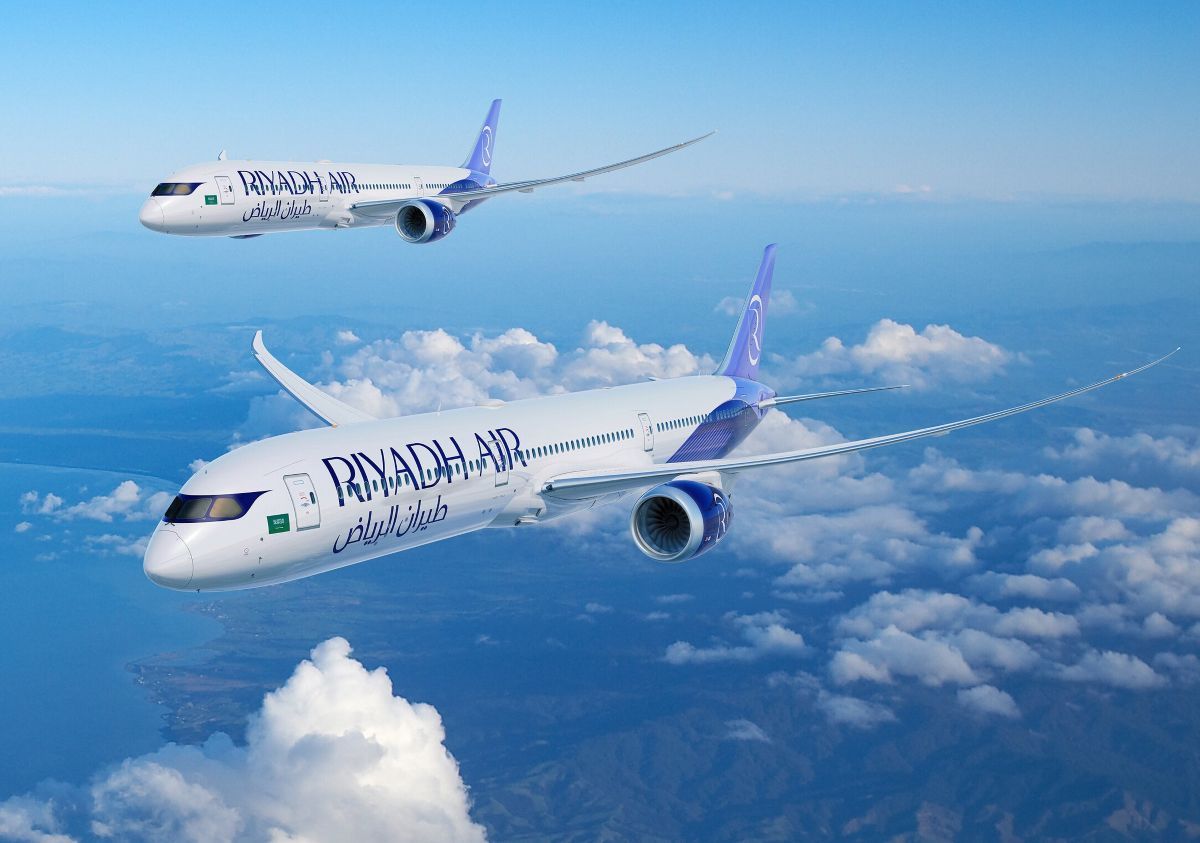
# Riyadh Air Routes Passengers Around Houthi Threat, Buses Travelers 270 Miles to Capital
Riyadh Air's grand vision of transforming Saudi Arabia's capital into a global aviation hub faces an unexpected obstacle. The carrier is now diverting arriving passengers to Abha Regional Airport, located 270 miles south of Riyadh, then busing them overland to the city center. This workaround reflects the airline's struggle to operate amid escalating Houthi drone and missile strikes targeting the kingdom's airspace.
The strategy emerged within months of Riyadh Air's September 2023 launch, marking a dramatic setback for the airline's ambitious expansion plans. The Houthi attacks, targeting both civilian and military infrastructure across Saudi Arabia, have created genuine safety concerns that force commercial operators to make difficult operational choices. Passengers booking flights to Riyadh now face a lengthy ground journey instead of a direct airport arrival, fundamentally changing the travel experience the carrier promised.
Riyadh Air positioned itself as a competitor to established Middle Eastern carriers like Emirates and Qatar Airways. The airline launched with modern aircraft, competitive pricing, and a vision of connecting the Saudi capital to major global destinations. International investment and government backing signaled confidence in the project. Within weeks, geopolitical reality intervened.
The diversion strategy carries multiple costs. Passengers lose time. Ground transportation exhausts operational budgets. Driver fatigue and road safety concerns introduce new variables into an already complicated journey. The 270-mile bus journey transforms what should be a one-hour flight completion into a multi-hour ordeal involving coach travel through the desert highway connecting Abha to Riyadh.
This tactic reveals deeper vulnerabilities in Saudi Arabia's aviation infrastructure. King Fahd Road, the primary airport serving Riyadh, sits within range of Houthi weapons. The militant group, backed by Iran and designated as a terrorist organization by several Western nations, has demonstrated both capability and willingness to target civilian aviation. Previous attacks damaged aircraft and infrastructure, forcing temporary closures and operational disruptions across the region.
Other airlines operating in Saudi Arabia face similar pressures. International carriers weighing Riyadh routes must now factor in diversion protocols and security measures that increase operational complexity and cost. Some operators have reduced frequency or suspended service temporarily during peak threat periods.
The bus diversion solution works tactically but fails strategically. Airlines cannot sustain profitability if every passenger arrival requires costly ground transportation. Insurance premiums rise. Crew scheduling becomes more complex. Network planning assumes direct airport access, not diversions that add hours to journeys.
Riyadh Air must ultimately resolve this through either improved air defense systems protecting King Fahd Road or through sustained reductions in Houthi attack capability. Short-term workarounds buy time. Long-term viability requires security stability. The airline's success depends on whether Saudi Arabia can restore reliable airspace conditions.
For travelers, this situation demands flexibility. Anyone booking Riyadh Air should expect possible diversions, longer total journey times, and potential schedule disruptions. The carrier's competitive pricing attracts budget-conscious passengers, but that value proposition deteriorates significantly when a three-hour flight becomes an eight-hour ordeal involving desert highways and coach services.