# Cyprus's Limassol Hotel Scene Offers Luxury and Wellness Escapes for Mediterranean Travelers
Limassol, Cyprus's second-largest city, has emerged as a premier destination for travelers seeking upscale accommodations along the Mediterranean coast. The city now hosts a diverse portfolio of hotels ranging from sprawling spa resorts to intimate luxury properties, catering to different travel styles and budgets.
The hotel development in Limassol reflects broader travel trends across Cyprus. After pandemic-related disruptions, the island saw a resurgence in demand for wellness-focused stays and romantic getaways. Limassol positioned itself as an alternative to overcrowded Paphos and Larnaca, offering a more refined atmosphere while maintaining easier access to wine regions, historic sites, and beaches.
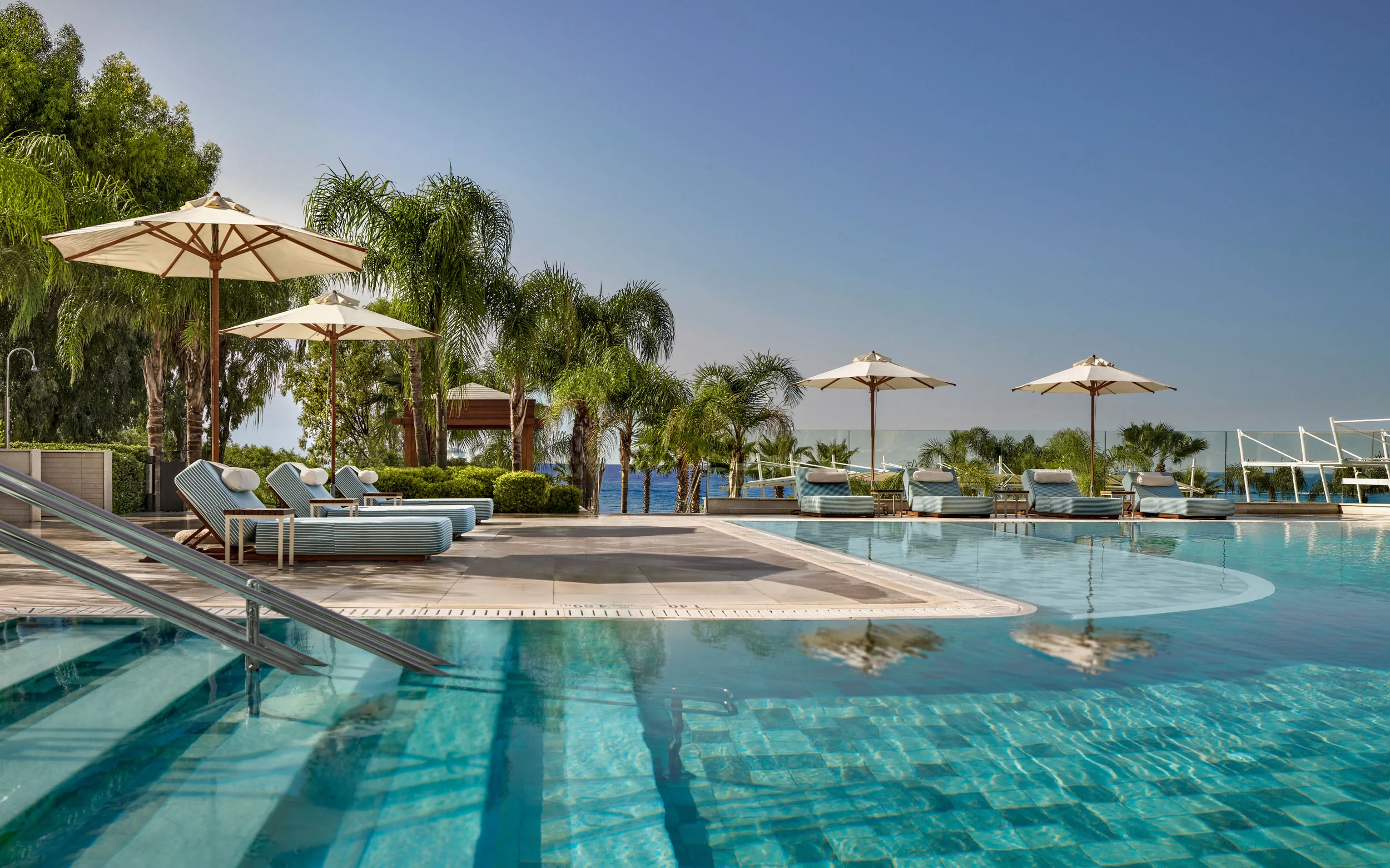
Spa resorts dominate Limassol's luxury offering. These properties combine Mediterranean architecture with state-of-the-art wellness facilities, targeting affluent travelers from Europe, the Middle East, and Russia. Full-service spas featuring thalassotherapy, thermal treatments, and Ayurvedic offerings justify nightly rates typically ranging from €200 to €600 for mid-range luxury and €600-plus for top-tier resorts. Many properties feature multiple pools, fine dining restaurants, and private beach access.
The romantic hotel segment appeals to honeymooners and couples celebrating anniversaries. These boutique-style properties emphasize intimate settings with sea-view suites, personalized service, and couples' spa packages. Rates for romantic luxury hotels generally fall between €250 and €450 per night, positioning them as accessible luxury compared to Greek islands like Santorini or Mykonos.
Limassol's hotel infrastructure benefits from the city's port-city character. Waterfront properties command premium pricing while offering direct beach access and harbor views. The seafront development continues, with several new properties completing construction in 2024. Local operators note that visitors increasingly combine city stays with countryside exploration, driving demand for hotels with concierge services offering wine tours, hiking excursions, and archaeological site visits.
Package deals have become common. Airlines and tour operators bundle flights from London, Berlin, and Frankfurt with three-to-seven night stays, often at rates undercutting independent bookings by 15-20 percent. British travelers remain the primary market, accounting for roughly 40 percent of international arrivals, though German and Scandinavian visitors show growing interest.
The competitive landscape has improved service standards across properties. Hotels invest in staff training and renovation to differentiate themselves in a crowded market. Some resorts now offer technology-forward features like mobile check-in, in-room tablet controls, and app-based dining reservations.
Seasonal pricing fluctuates significantly. Summer (June-August) rates peak at €400-800 nightly for quality properties. Shoulder seasons (May and September-October) offer better value with rates dropping 25-35 percent while maintaining excellent weather. Winter stays rarely exceed €250 nightly even at luxury properties, though some close partially during low season.
Travelers planning trips should book accommodations directly with hotels during off-peak periods to negotiate better rates. Summer reservations require booking three to four months in advance. Those prioritizing spa facilities should confirm treatment availability before booking, as popular facilities sometimes operate reduced schedules during quiet months.