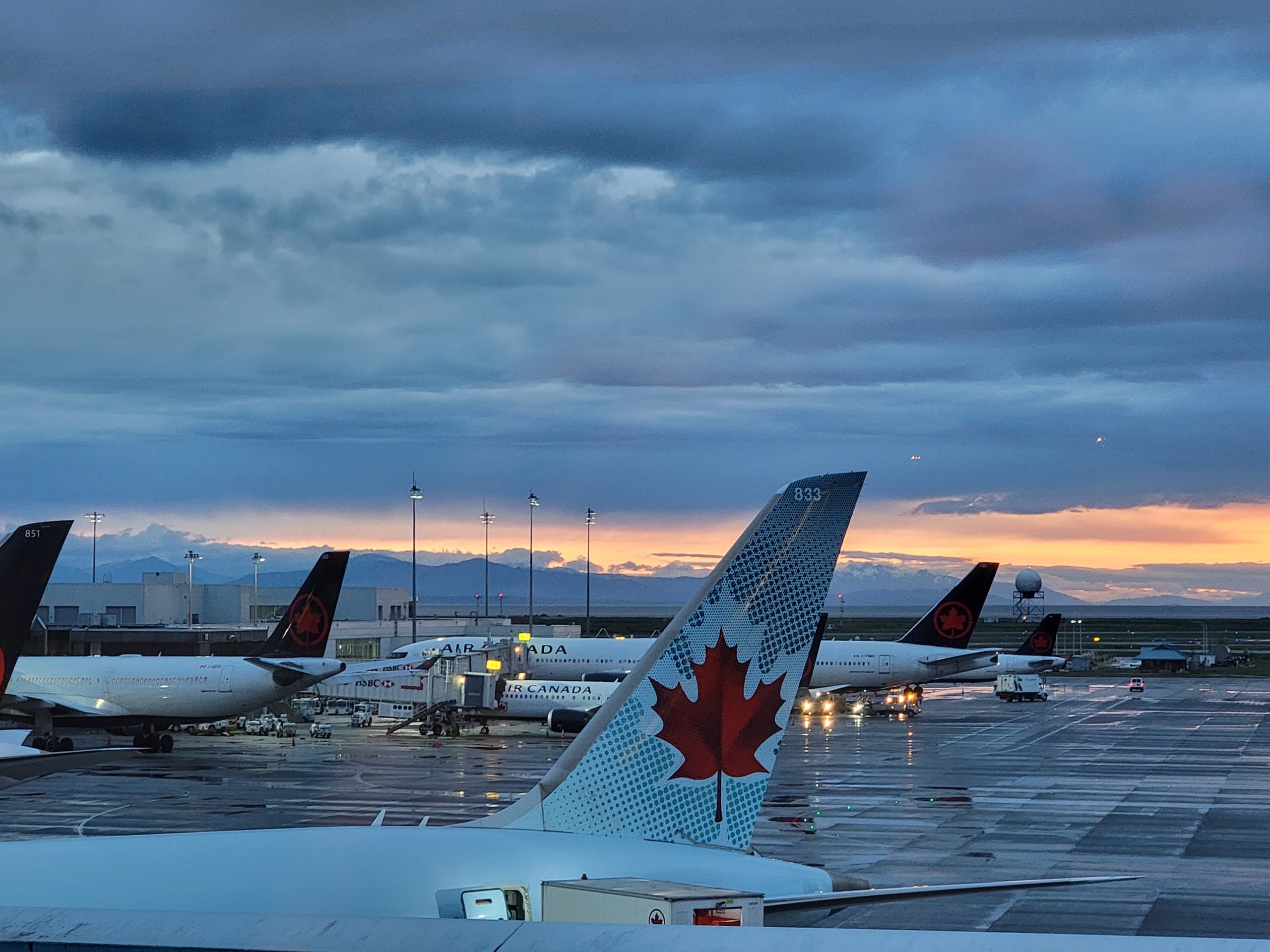
Air Canada canceled a Montreal-Bogota flight in September 2022 and denied the passenger compensation for a safety issue. The airline submitted aircraft damage records to support its claim. The passenger checked public aviation records and discovered Air Canada had reassigned his flight's working plane to replace a damaged aircraft on another route, then canceled his flight.
Canada's Transportation Agency found the reassignment was a commercial decision, not a safety necessity. The airline owed the passenger compensation. The Canadian Transportation Agency's complaint resolution officer ruled in January 2026, nearly four years after the cancellation, and ordered Air Canada to pay C$1,000 (US$712).
Canadian law allows airlines to deny compensation only when a disruption is required for safety reasons. Air Canada argued it moved aircraft around to help the greatest number of passengers, but the agency determined the safety exemption did not apply when an airline cancels a flight with a working plane to serve a different route.
A similar case involving WestJet in November 2022 reached the same conclusion. WestJet used an aircraft assigned to a Honolulu-Vancouver flight to help passengers from another flight with a fuel tank problem. The agency ordered WestJet to pay C$1,000 compensation to each passenger whose flight was sacrificed, despite the operational reasonableness of the swap.
Another passenger, Michael Bociurkiw, reported Air Canada canceled his flight for safety-related maintenance when the airline wanted his scheduled aircraft for passengers headed to Australia instead.