A new 13km walking trail through County Roscommon now links the monuments of Rathcroghan, one of Europe's oldest unexcavated royal sites. The trail gives travellers access to 266 archaeological relics spread across 6.5 square kilometres, including Iron Age ringforts, Ogham stones, and burial mounds that were previously located on private farmland.
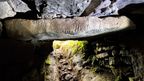
The trail's most notable destination is Oweynagat cave, known as Ireland's "Gate to Hell". Located 7 metres underground and stretching 37 metres long, this limestone shaft is believed to be the home of the Mórrígan, a supernatural goddess associated with the festival of Samhain. The cave is currently closed to visitors because of elevated carbon dioxide levels, but an information panel at its entrance explains its role in Celtic mythology. The cave inspired ancient traditions that evolved into Halloween, according to the report.
Rathcroghan Mound anchors the trail as its largest landmark, measuring 88 metres wide and 5.5 metres high. It has never been excavated, though geophysical surveys suggest it served ceremonial purposes such as royal inaugurations. The trail also passes Relignaree, a 110-metre circular enclosure, and Rathnadarve, a 115-metre enclosure referenced in the Irish national epic The Táin.
The full loop takes roughly three hours to walk. Visitors can start at the Rathcroghan Visitor Centre in the village of Tulsk, then drive 4km to the trailhead at Rathcroghan Mound. Cattle and sheep continue to graze the landscape, which hikers may encounter along the route.