A travel journalist revisited Ko Lipe, a Thai island they spent nearly a month on in 2006, and found it dramatically transformed. In 2006, the island offered basic bungalows for about $2 USD per night, electricity only a few hours daily, and few visitors seeking an off-the-beaten-path escape.
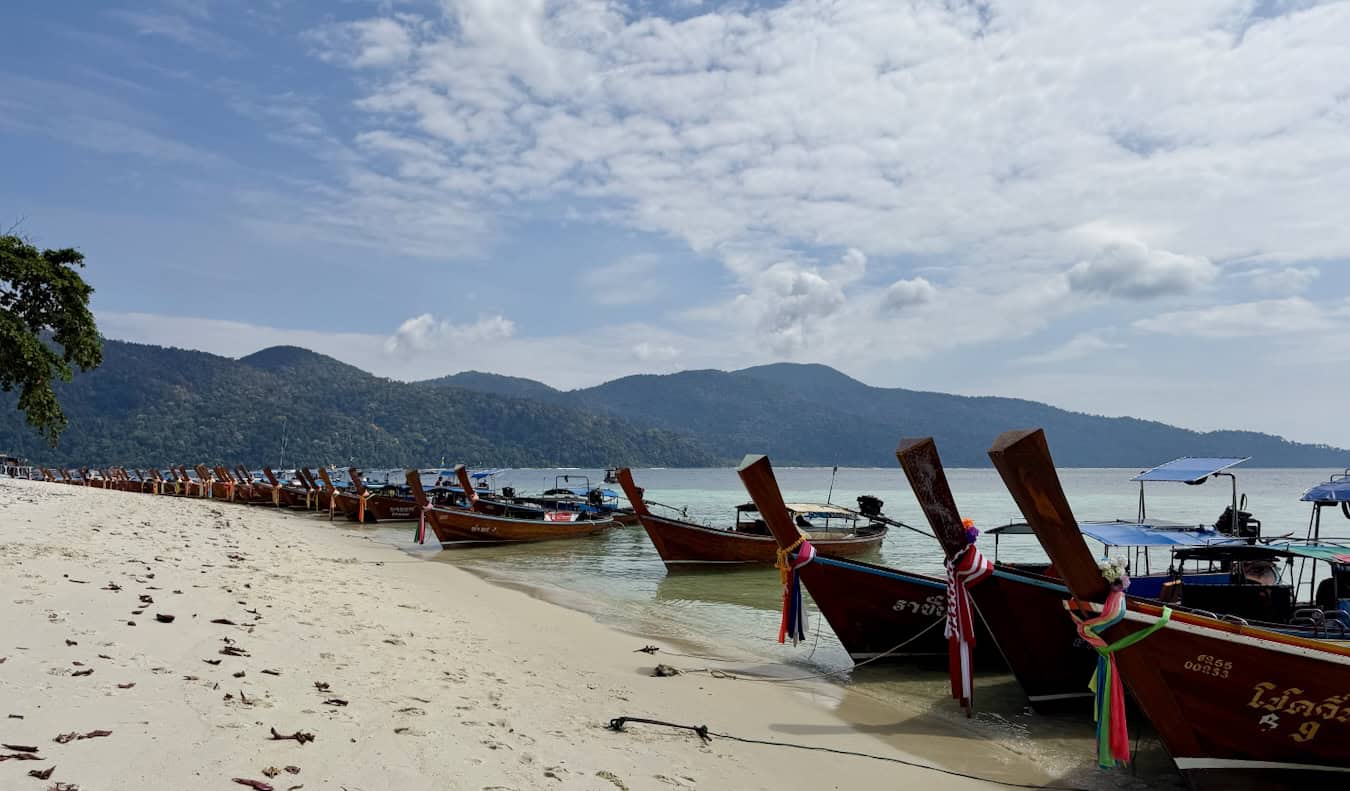
The island now follows the Ko Phi Phi model of tourism development. Most of Ko Lipe is paved over with concrete roads for cars and construction trucks. High-end resorts with pools now occupy swaths of land where palm trees stood. Resorts continue construction at a fast pace. The coral around the island is dying from boat anchors, pollution, and overfishing. Beaches are lined with boats whose exhaust leaves a visible film on the water. Restaurants cater to tourists seeking Western food rather than Thai cuisine.
Tourism development has displaced many locals who sold land to mainland developers. Much of the island's workforce now comes from the mainland and sees little benefit from the tourism boom.
The journalist notes that first-time visitors may enjoy Ko Lipe. The area has postcard-quality scenery with azure water and white sand, and it appears less developed than Ko Phi Phi, Krabi, or Phuket. Tours access secluded islands within the nearby national park.
The journalist recommends against visiting Ko Lipe, arguing the overdevelopment is not sustainably managed and visiting further taxes the island's limited resources. Ko Lanta, Ko Jum, and Ko Mook are nearby alternatives described as better managed.