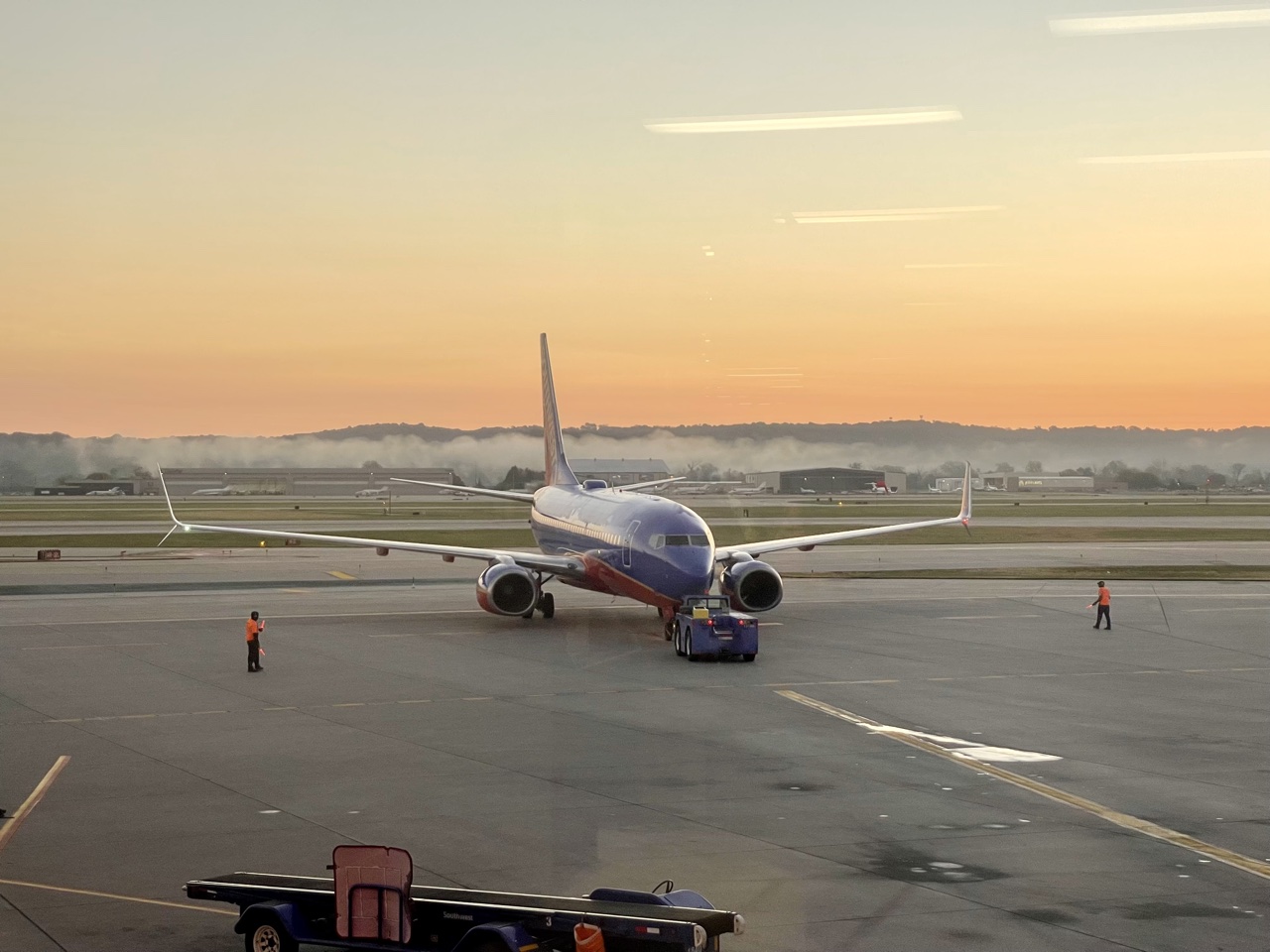
On October 22nd, 2026, CEO Bob Jordan dismissed reports of a Boeing 787 widebody order as having "no credibility." The Reuters exclusive from two weeks earlier cited three unnamed sources saying Southwest was exploring 787s for long-haul flying, possibly leased or second-hand, with a launch window of roughly three years. Sound familiar? It should. Southwest has perfected the art of the strategic denial, only to reverse course when the numbers demand it.
The pattern is unmistakable. In July 2024, Jordan told investors that free bags were the number one reason customers choose Southwest, behind only fare and schedule. On September 17, 2024, a Southwest spokesperson told The Points Guy there was "no work currently underway" to change the policy. Six months later, on March 11, 2025, Southwest ended it entirely, charging $35 for the first checked bag and $45 for the second on flights booked on or after May 28, 2025. Jordan's explanation? That bags flying free was not part of the airline's DNA. The same airline that had just spent months insisting the opposite.
Then came assigned seating. Another sacred cow slaughtered. On January 27, 2026, open seating—the other half of Southwest's cattle-call charm—vanished, replaced by eight boarding groups, four fare tiers, and extra-legroom rows. Every concession was an admission that the discount model wasn't enough on its own. What remains uniquely Southwest is one fleet type, a partially point-to-point map, and a reputation for friendliness. But the numbers tell a different story: 11 new lounges, a premium credit card, and first class service. Growth came from price and fees, not from flying more. Capacity for 2026 is up only about 1.2%, while revenue per available seat mile jumped a record 21.6%. To maintain that trajectory, Southwest needs new markets.
Domestic markets are mature. Southwest's biggest rivals already own the best international partners. The airline's partnerships with Icelandair, China Airlines, EVA Air, and Turkish Airlines only go so far. For real growth, Southwest needs widebodies. Chicago Midway and Dallas Love Field can technically accommodate a 787, while LAX and Baltimore offer very easy fits. Unless Southwest sees unprecedented growth from its current strategy—possible, but not probable—international expansion is the last frontier.
So why deny the widebody order? The pattern suggests it's not forward thinking at all—it's just the script. My prediction: Southwest announces a widebody order or lease within eighteen months of the pilot contract opening, and Jordan or his successor will explain it as a natural evolution of the brand. Travelers should treat Southwest's promises the way they treat any airline's: as information about the current quarter, not a commitment about the next one. Every sacred cow gets slain once the numbers demand it, and the statement of the day is always true until the day it is not.