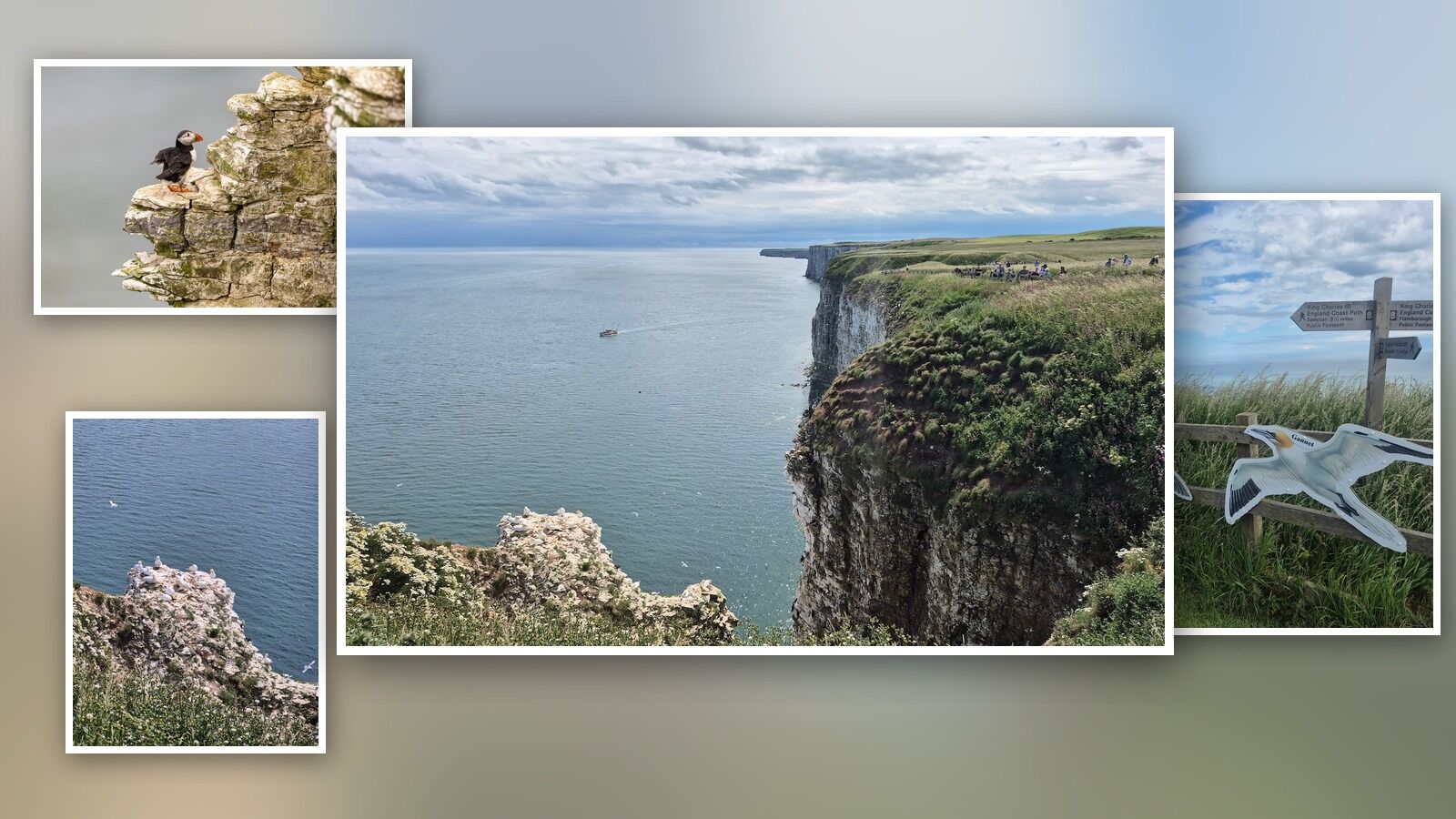
Bempton Cliffs in Yorkshire draws around half a million seabirds between March and August, including roughly 1,500 breeding pairs of Atlantic puffins that peak in visibility from May through June. The chalk cliffs also host England's only mainland gannet colony, along with kittiwakes, guillemots, razorbills, and occasional short-eared owls.
The Royal Society for the Protection of Birds (RSPB) manages 220 nature reserves across the United Kingdom, including Bempton and Minsmere in Suffolk. The organization funds its work through membership subscriptions, donations, grants, and visitor income. Around 12,000 volunteers support conservation efforts at these reserves.
Visitor numbers at Bempton reached 135,561 in 2025, an 18 percent increase from 2024, according to Invest East Yorkshire. The reserve operates over 170 sites open to the public. Marked trails, overlooks, and hides allow observation without disturbing wildlife. Regular events include guided birding walks, pond dipping, small mammal safaris, and binocular open weekends.
"Experiencing the joy of listening to birdsong or watching wildlife builds a connection, and the reality is people are far more likely to want to protect what they love and value," says Neil Boyes, Head of Visitor Operations for the RSPB.
Puffins rank among 70 species on the UK's Birds of Conservation Concern Red List, the highest conservation category, driven by climate change and overfishing. A 2024 ban on industrial sandeel fishing could shift both puffins and kittiwakes to the lower Amber List.
Many reserves connect to local economies. Holiday Cottages, a Certified B Corporation, promotes rentals near reserves, with each booking contributing to restoring one square meter of woodland. Several reserves remain accessible by public transport, with connections to nearby towns like Filey and Bridlington.