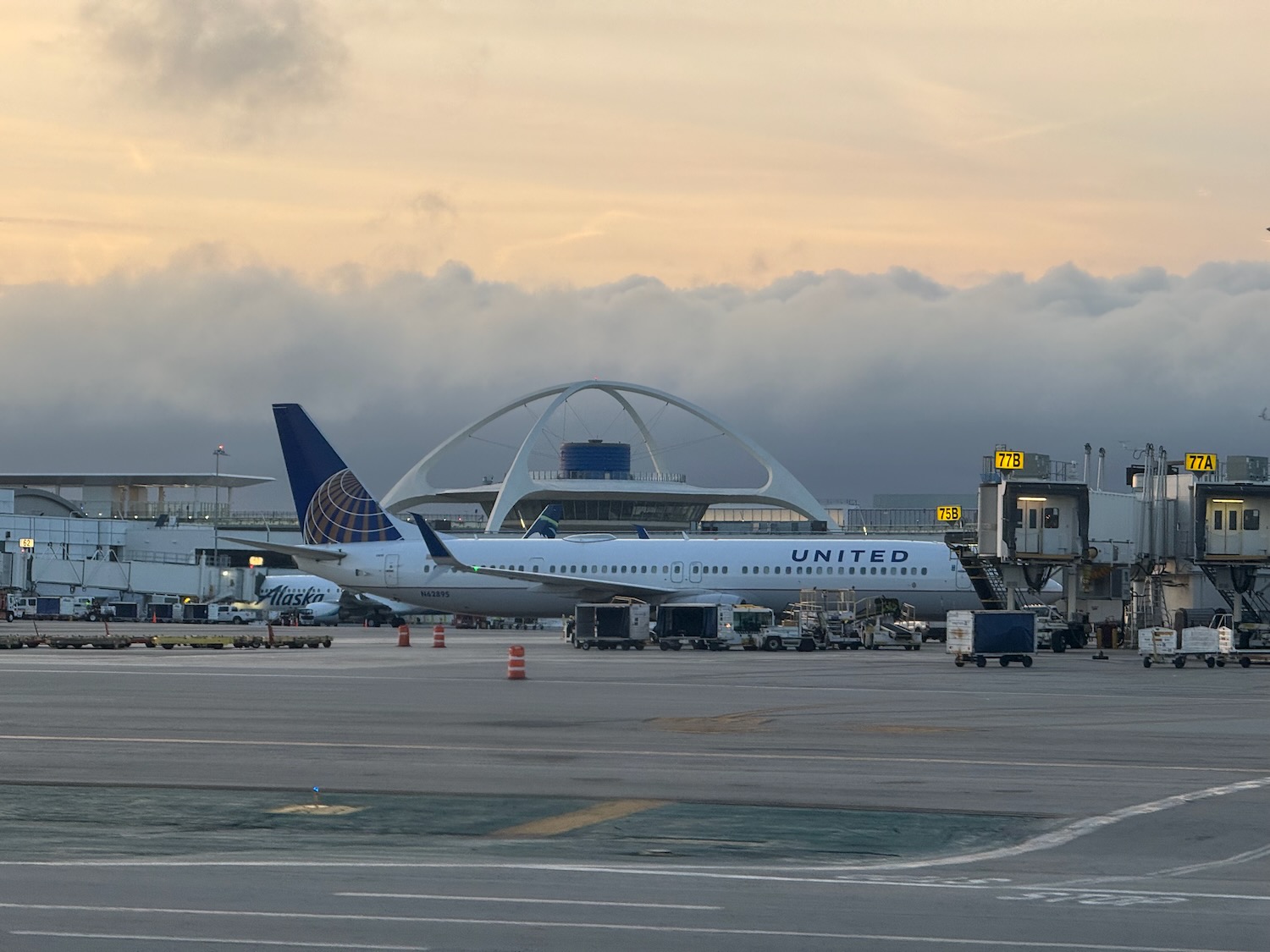
Two lawsuits accuse American Airlines, Delta Air Lines, United Airlines, Southwest Airlines, Alaska Airlines, Hawaiian Airlines, and JetBlue of using shared pricing and shopping data to keep fares higher than they would otherwise be.
The complaints target the Airline Tariff Publishing Company (ATPCO), its subsidiary 3Victors, and the airlines themselves. A Washington complaint names the seven carriers. A separate Virginia complaint targets ATPCO, 3Victors, and a smaller group of carriers.
The lawsuits challenge ATPCO's expansion into pooled shopping data. The allegations claim participating airlines exchange commercially sensitive information through a common platform and use it to coordinate pricing. Shopping data reveals demand before a passenger purchases anything. Searching for a flight generates information about the itinerary requested and the offers returned, even if the customer closes the browser without booking.
3Victors offers three products: Iris, which operates on the principle that "the more you contribute, the more you receive." PriceEye provides alerts and tools to identify market undercuts and overpricing. DemandView promises insight into where travelers want to go before they book.
The plaintiffs argue that exchanging this information reduces the uncertainty that encourages airlines to compete. If competitors can spot and match a discount almost immediately, an airline may gain little additional business while collecting less money from passengers who would have booked anyway. That could make discounting less attractive.
However, proving these arrangements unlawfully suppress competition requires evidence about what airlines actually exchange and how they use it. A sophisticated pricing dashboard is not necessarily evidence of a conspiracy. Better information about competitors' prices could help airlines lower their fares and identify opportunities to add service, benefiting passengers.
The central question is whether reciprocal access to sensitive information supports independent decisions or weakens the incentive to compete. Discovery in these cases could reveal what contracts and internal communications show about how airlines use the shared data.