European travel set record numbers in the first half of 2026, but tourists are skipping the famous capitals. International arrivals across Europe rose 2.9 percent, with overnight stays up 2.7 percent, according to the European Travel Commission. Yet France and other established destinations barely grew. Instead, travelers flooded cheaper countries in Central and Eastern Europe and smaller Mediterranean islands.
Airfare to Europe costs 33 percent more in fall 2026 than fall 2025, while inflation runs above three percent in Europe and higher in the US. Those pressures are pushing budget-conscious travelers toward value destinations.
Malta led all European countries with an 18.1 percent jump in arrivals, driven by budget carriers running short-haul flights from nearby European markets. Overnight stays rose only 10.1 percent, suggesting visitors take long weekends rather than extended trips. Malta remains one of the Mediterranean's cheaper options for sun and history, and warm weather extends well into fall.
Ireland saw arrivals jump 12.7 percent, but overnights climbed 17.6 percent, the largest gain of any European country in 2026. Visitors are staying longer, likely exploring routes like the Wild Atlantic Way, a 1,600-mile coastal drive on the west coast, rather than just weekend trips to Dublin. Most of the country costs far less than Dublin, which has some of Europe's priciest hotels.
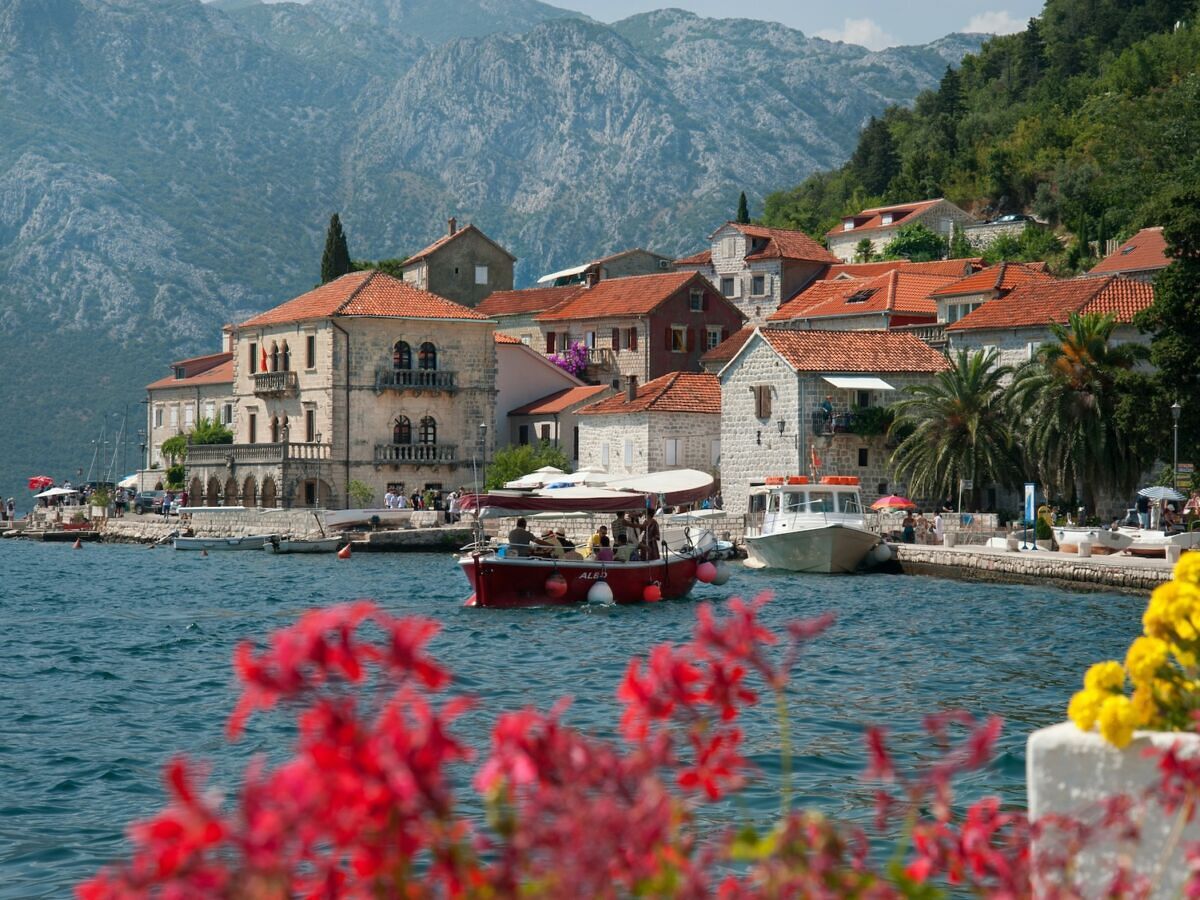
Montenegro's 9.6 percent arrivals increase followed Wizz Air opening a base at Podgorica airport in spring 2026, adding flights to smaller cities including Tivat. The Adriatic coast resembles Croatia's turquoise views and medieval towns but at lower costs.
Slovakia registered the fastest Central and Eastern Europe growth at 14.8 percent arrivals and 15.4 percent overnight stays. Visitors seek nature and wellness trips in the High Tatras mountains and thermal spa towns like Piešťany, where mineral baths cost far less than Western European spas. Bratislava sits an hour by train from Vienna, making it easy to add to broader Central European itineraries.
US traveler arrivals rose in 21 of 28 countries tracked. Spain still attracted the most American visitors with 11.6 percent growth, but the biggest jumps came in cheaper destinations: Montenegro up 29 percent, Romania 24.7 percent, Slovenia 24.1 percent, and Poland 20.5 percent.
The European Travel Commission projects Central and Eastern Europe arrivals will rise another 10 percent in 2027. These countries remain affordable and less crowded now, but rapid growth typically drives higher prices, as happened in Croatia and Portugal in recent years.