Austin's overcrowded airport is prompting city leaders to revive plans for rail service that voters approved in 2020 but officials later scrapped due to soaring costs.
Mayor Kirk Watson announced that Austin Transit Partnership will begin planning a three-mile, mostly elevated rail extension to Austin Bergstrom International Airport (ABIA). The Federal Transit Administration has agreed to a streamlined environmental review, with cost and funding work expected over the next nine to twelve months. Watson said the goal is to deliver the project "within our existing budget approved by voters – no new taxpayer dollars."
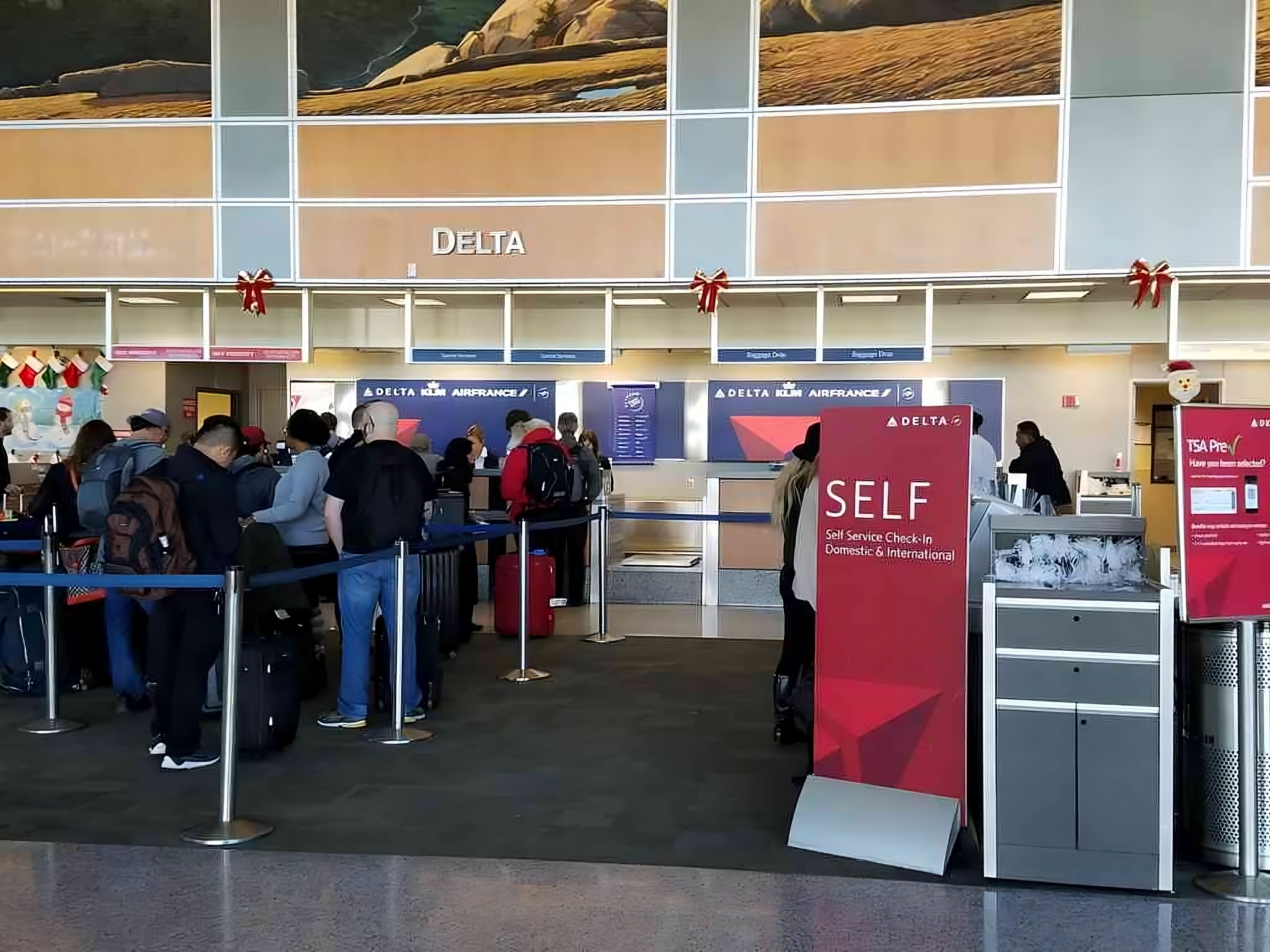
Passenger volumes at Austin's airport have far exceeded its original capacity. Security lines stretch long on peak travel days, and ground transportation access requires lengthy walks through parking structures to reach rideshare pickups.
The light rail system now under development will open in 2033 without airport service, though the original 2020 ballot measure included it. The rail component's cost estimate jumped from $5.8 billion to $10.3 billion between the voter approval and 2022, forcing planners to cut the project from 20 miles to 9.8 miles and reduce stations from 26 to 15. The airport connection was dropped to save money.
Watson tied the rail extension to the airport's "Journey With AUS" expansion, which includes a new terminal and concourse financed through airport revenues and federal aviation grants. The airport has sold $1.18 billion in bonds and plans $4.2 billion more through 2030. The mayor's office indicated the airport could contribute funding for ground access projects, including facilities beyond airport property, under 2025 FAA guidance.