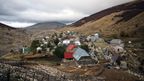
Lukomir sits high on Bjelašnica Mountain in Bosnia and Herzegovina, the country's highest and most isolated village. Muslim shepherds have lived here for more than 500 years, maintaining semi-nomadic traditions that few places in the Balkans still practice.
The village functions as a living ethnological museum. Residents inhabit centuries-old stone structures called katuns, two-room buildings with steep roofs. Some villagers still own sheep, guiding flocks on a 10-hour walk each late October or early November to winter homes near Hadžići, a Sarajevo suburb. They earn income from selling sheep and wool products. Traditional dress, including embroidered headscarves and wool socks, remains part of daily life.
Visitors can stay overnight at homestays like Saima and Omer Čomor's house for €30 per night. Pita-making lessons cost €15. Guesthouse Ljetnja Basta Lukomir also offers accommodations and traditional food. The village is accessible only by hiking. From the trailhead in Umoljani village, the hike takes six to seven hours round trip, covering roughly 7 kilometers (4 miles). Tour guides like Edin Ogrešević lead visitors through the landscape.
Lukomir sits at high altitude and operates on a seasonal schedule. Locals inhabit the village from May 1 through November 1, depending on weather. The village has had an unreliable electrical grid connection for about 60 years. Lukomir's population has declined since the Bosnian War ended in 1995. Currently around 55 people and 25 families live there, mostly descendants of the Masleša and Čomor families.
Tourism has grown significantly. The village now attracts 100,000 to 150,000 tourists annually, many hiking the Via Dinarica trail that runs through the Dinaric Alps from Slovenia to North Macedonia. Saima noted that tourists from America, Australia and Europe now regularly visit.