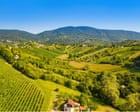
Croatia's interior remains largely overlooked by beach-bound tourists, yet the Samobor Hills region northwest of Zagreb offers a compelling alternative to the crowded Adriatic coast. Rolling vineyards, Habsburg-era villages, and distinctive regional cuisine draw weekenders from Zagreb seeking landscape and culture that rivals Italy's famous wine regions.
Samobor sits roughly 30 kilometers from Zagreb, accessible by car or regional train within an hour. The town itself combines Austro-Hungarian architecture with Balkan warmth. Stone mansions line quiet streets. Church spires puncture green hillsides. Unlike the medieval fortified towns of Dalmatia, Samobor feels lived-in rather than museumified, with locals outnumbering visitors year-round.
The culinary draw centers on kremšnita, a custard slice layered with puff pastry and dusted with icing sugar. Each town claims superior versions. Samobor's bakeries have earned particular renown for the recipe, with pastry shops like those in the town center drawing pilgrims from across the country. But food extends far beyond this single dessert. Local restaurants serve strukli, a rolled pastry filled with cheese or meat, and fresh trout from nearby streams. Vineyards producing Samoborski Bermet, a fortified wine with herbal complexity, dot the surrounding hills.
The landscape itself justifies the trip. Steep hillsides covered in beech and oak forest frame narrow valleys. Stone walls mark property boundaries unchanged for generations. Unlike Tuscany's manicured cypress rows, the Samobor Hills feel wilder, less cultivated. Hiking trails connect villages, passing through working vineyards and past farmhouses selling their own wine directly to visitors.
Access remains straightforward from Zagreb. Day trips work for rushed travelers, though overnight stays unlock the full experience. Small family-run hotels and guest houses offer accommodation at prices significantly lower than coastal Croatia. A double room in a traditional house rental costs 50-80 euros nightly. Restaurant meals run 12-20 euros for mains, with house wine included. Zagreb's location, already a cheaper gateway than Dubrovnik or Split, makes reaching Samobor affordable from central Europe.
This region taps into a broader European travel trend toward agritourism and wine tourism away from overcrowded hotspots. Tuscany, Provence, and the Rioja region of Spain have all experienced rising prices and tourist saturation. Croatian wine regions, particularly those within day-trip distance of a major city, offer similar experiences at lower cost with substantially fewer visitors.
The Samobor Hills remain off most tourism radars, particularly among package-tour operators and major hotel chains. This absence explains both their appeal and their vulnerability. Small operators, family vineyards, and independent restaurants currently shape visitor experience. Development pressure from Zagreb's growing middle class creates pressure toward commercialization, yet the region has resisted rapid transformation. For travelers seeking Croatia beyond Dubrovnik's walls and Split's promenade, the timing for discovery remains ideal.