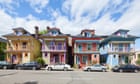
Portland, Oregon remains one of America's most distinctive cities, where tech-driven growth collides with a fiercely independent culture built on craft beer, specialty coffee, and proximity to the Cascade Mountains. The city's character persists despite rapid gentrification, and locals know exactly where to find the best experiences without breaking the bank.
Division Street cuts Portland into eastern and western halves, with the Richmond neighborhood on the east side emerging as the city's most vibrant food corridor. Aviv serves plant-based Israeli cuisine at remarkable prices, with savoury boureka filled with spinach and tofu feta for just $5 and shawarma plates at $10. Bollywood Theater delivers authentic Indian street food with snacks starting at $4.25 and pork vindaloo for $12. Pok Pok, the Thai restaurant that helped launch Portland's food renaissance, remains essential eating. These establishments represent what locals cherish most: exceptional food at working-class prices from immigrant-owned businesses that define the city's soul.
The beer scene demands serious attention from visitors. Portland hosts more breweries per capita than any major American city, with over 60 operating within city limits. Neighborhoods like Southeast Portland and Northeast contain brewery clusters where visitors can walk between multiple taprooms sampling house-made IPAs, stouts, and experimental brews. Local breweries like Breakside, Hair of the Dog, and Cascade emphasize quality over tourism, attracting serious beer enthusiasts rather than Instagram crowds.
Coffee culture runs equally deep. Portland's third-wave coffee movement spawned internationally recognized roasters like Stumptown Coffee Roasters and Intelligentsia. Walking through neighborhoods like Northeast Alberta or Southeast Hawthorne reveals independent coffee shops on nearly every block, each with distinct roasting philosophies and meticulous preparation methods.
The outdoor access that originally attracted Portland residents remains unmatched. Mount Hood sits 90 minutes east, offering year-round hiking, skiing, and alpinism. The Columbia River Gorge provides 30-mile scenic drives with waterfall hikes accessible from the city center. Crater Lake National Park lies four hours south. Urban parks like Forest Park, stretching 5,200 acres across the western hills, offer forest trails minutes from downtown.
Tech money increasingly shapes Portland's landscape. Amazon, Intel, and other major corporations drive up rents and reshape neighborhoods, pushing longtime residents eastward into formerly affordable areas. However, the city's notorious "Keep Portland Weird" ethos resists corporate homogenization. Street art remains pervasive, independent bookstores like Powell's Books still thrive, and the food scene continues prioritizing local ownership over chains.
Visitors planning trips should arrive with realistic expectations. Portland winters bring persistent drizzle, not heavy snow. Summer months from June through September offer perfect weather and peak tourism. Budget travelers find abundant options under $50 nightly through Airbnb in outer neighborhoods, while restaurants consistently deliver quality meals for $10 to $20 per person.
The city rewards slow exploration. Skip the typical tourist circuits and instead spend time in neighborhoods like Belmont, Laurelhurst, and St. Johns where locals actually live. Attend a Trail Blazers game at Moda Center, ride the extensive TriMet public transit system, and wander Powell's City of Books for hours. Portland succeeds not through singular attractions but through accumulated experiences reflecting a city that still values authenticity, craftsmanship, and community over profit maximization.