# Palma de Mallorca Reveals Itself Through Wandering Streets and Hidden Gems
Palma de Mallorca has evolved into one of Spain's most refined Mediterranean destinations, offering far more than beach lounging. The capital of the Balearic Islands delivers serious dining, contemporary art, and architectural richness that rewards curious travelers willing to explore beyond the waterfront.
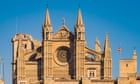
A local's best advice starts with the historic district wedged between Plaça de Cort and the seafront. This quarter deserves at least a full afternoon of unstructured wandering. The streets follow Moorish patterns that create natural discovery. Walking toward La Seu, Palma's stunning cathedral, travelers stumble upon galleries, boutique hotels, and restaurants occupying beautifully restored mansions. Ten minutes of meandering reveals architectural layers spanning more than 1,000 years. Gothic facades sit beside modernist interventions. Medieval courtyards now host cocktail bars.
The adaptive reuse of historic properties defines contemporary Palma. Rather than demolishing centuries-old structures, the city has transformed grand townhouses into cultural venues. This approach preserves character while injecting economic vitality. Travelers benefit from sleeping and dining inside living history rather than viewing it through museum glass.
The payoff comes suddenly. After threading through narrow lanes where sunlight barely penetrates, the Mediterranean opens up. The bay's scale catches visitors off guard. This contrast, from intimate medieval passages to infinite sea views, creates the magnetism locals describe as magical. Photographers should carry cameras ready at all times.
Timing matters for Palma visits. Late spring and early summer offer ideal conditions. May and June provide warm temperatures without July's crushing heat and crowds. Late-spring weather ranges from 72-82°F. The sea reaches comfortable swimming temperatures. Restaurant terraces fill with locals rather than tour groups. Flight prices from major European cities remain reasonable during shoulder season.
Palma's restaurant scene justifies the trip alone. The city counts numerous Michelin-starred establishments alongside casual tapas bars. Dining runs the spectrum from casual seafood at waterfront chiringuitos to haute cuisine in the old town. Budget for 25-35 euros for excellent lunch menus, rising to 60-80 euros for dinner at serious restaurants.
Hotel options suit different budgets. Luxury properties like Nakar Hotel and Whala! Urban occupy renovated historic buildings in the old town. Mid-range options cluster around Paseo Maritimo near the waterfront. Budget travelers find hostels and simple hotels in residential neighborhoods like Santa Catalina, which also happens to host excellent restaurants and neighborhood character.
The Cathedral of La Seu dominates Palma's skyline and merits multiple visits, especially at sunset when light bounces off its Gothic facade onto the water. Its rose window glows magnificently during evening hours.
Getting around requires minimal transport. The historic district fits within walking distance of most accommodations. Local buses cost 1.50 euros per journey. The train to nearby towns like Sóller departs from the city center, offering easy day trip options.
Palma rewards slow travel. Skip the tour bus mentality. Instead, get genuinely lost in those Moorish streets. Duck into unmarked doorways. Drink coffee where locals gather. Eat what smells good. The bay will reveal itself when you least expect it.