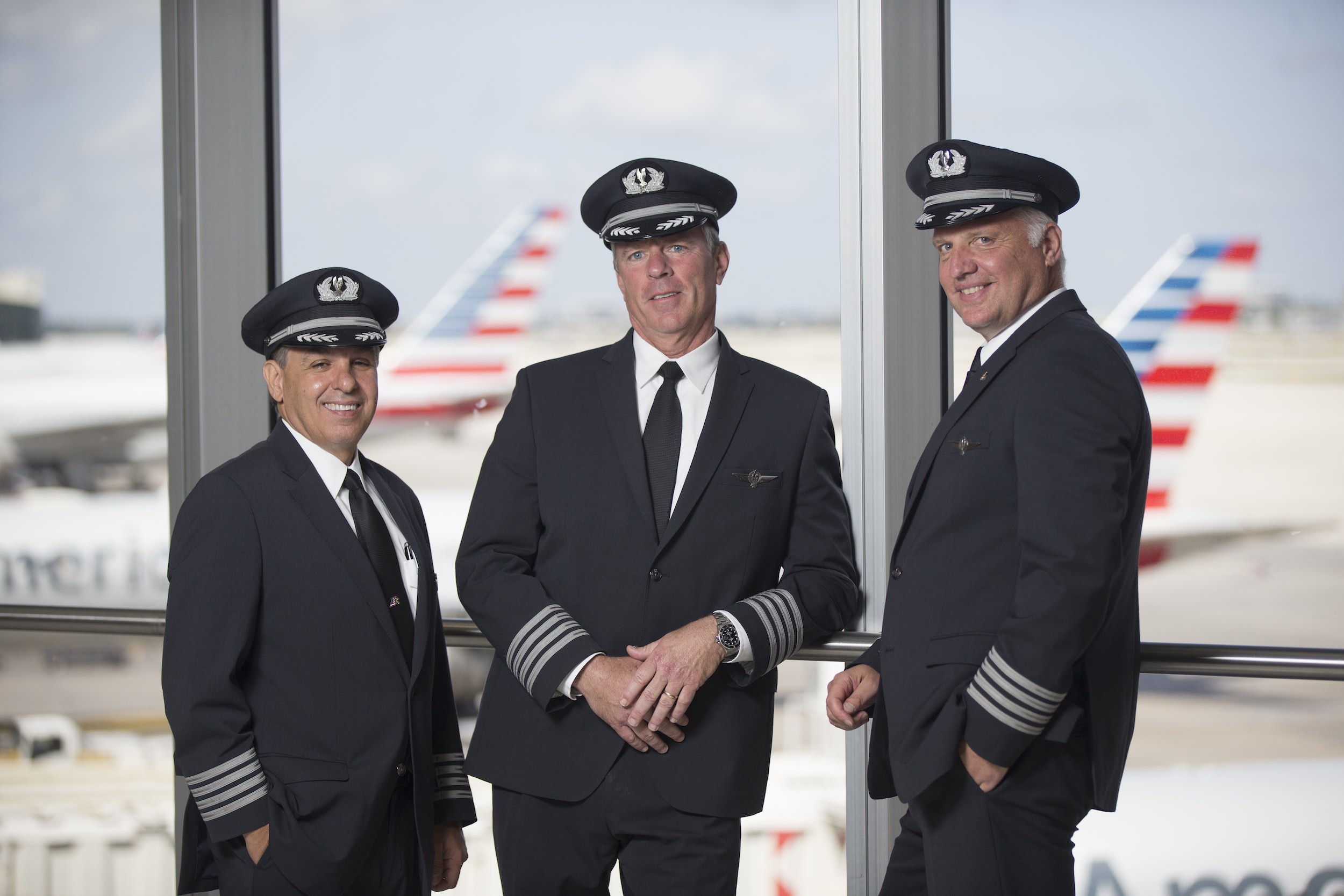
# American Airlines Pilots Challenge CEO Robert Isom Over Operational and Contract Issues
Tension has escalated between American Airlines pilots and leadership under CEO Robert Isom, drawing commentary from industry observers and travel bloggers who track the airline's operational challenges and labor relations. The dispute centers on pilot concerns regarding compensation, scheduling, and operational decisions that have frustrated both crew members and frequent flyers watching American's performance metrics slip.
The pilots union leadership has publicly questioned Isom's strategic direction for the carrier. These concerns reflect broader friction within American Airlines, one of the "Big Three" U.S. carriers alongside Delta Air Lines and United Airlines. Pilot grievances typically signal deeper issues affecting service reliability, staffing levels, and route planning. When crews face dissatisfaction, passengers experience delays, cancellations, and reduced flight frequency.
American Airlines operates one of the largest domestic networks in the United States, serving over 350 destinations across North America, the Caribbean, and Europe. The airline's Fort Worth headquarters manages roughly 900 aircraft. Any labor discord ripples through the entire operation, affecting connecting flights, aircraft utilization rates, and on-time performance metrics that travelers use to select carriers.
The blogger community covering aviation and travel has split opinions on the dispute. Some observers sympathize with pilot compensation arguments, noting that regional airlines pay less and compete for talent. Others defend management's cost-containment approach, arguing that American must balance crew expenses against fuel costs, fleet modernization, and competitive pressure from low-cost carriers like Southwest Airlines, Spirit Airlines, and Frontier Airlines.
Contract negotiations remain central to these tensions. Pilot contracts at major carriers determine pay scales, duty times, rest periods, and career progression. American's pilot contract influences compensation across the entire industry, creating leverage that union representatives wield carefully. Previous negotiations at Delta Air Lines and United Airlines set benchmarks that American pilots now reference in their own demands.
Robert Isom took over as CEO in March 2022, inheriting an airline emerging from pandemic recovery. American burned through cash during COVID-19, accumulated debt, and faced capacity challenges as travel demand rebounded faster than expected. Isom's tenure has focused on operational stability and profitability rather than aggressive expansion.
Travel planning implications exist for frequent flyers and leisure travelers booking American Airlines tickets. Service quality directly connects to pilot morale and staffing levels. Happier crews produce better customer service, fewer cancellations, and more reliable connections. Labor disputes can lead to work-to-rule campaigns where pilots strictly follow procedures, slowing operations and triggering cascading delays.
For passengers booking American Airlines flights, monitoring labor news provides early warning signs about potential service disruptions. The airline operates extensive hubs in Charlotte, Dallas/Fort Worth, Miami, and Philadelphia. Hub operations depend heavily on on-time performance and crew availability. A drawn-out labor dispute could affect connections through these critical nodes.
The blogger debate reflects genuine questions about airline leadership priorities. Isom must balance shareholder returns, debt reduction, employee compensation, and customer service. Pilots argue their expertise and safety responsibilities deserve premium compensation. The outcome will ripple through American's pricing, route network decisions, and competitive positioning against United, Delta, and low-cost rivals.
Travel journalists and industry watchers will continue tracking these negotiations closely, as they shape airline reliability, pricing strategy, and service standards for millions of annual American Airlines passengers.