# Alpine Adventure: Inside Italy's Most Dramatic Mountain Refuge
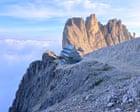
Santnerpass refuge sits suspended above the clouds in the Dolomites of northern Italy, delivering both architectural innovation and culinary surprises to trekkers willing to earn their elevation. This mountain hut represents a rare convergence of sustainability design, alpine hospitality, and landscape drama that draws serious hikers and weekend adventurers alike.
The approach proves deceptively brutal. Climbers navigate jagged pinnacles jutting from the mountainside, squeezing through boulder chimneys and inching along narrow ledges while traversing sharp scree fields. The route demands scrambling skills alongside hiking endurance. Boots take punishment. Hands cramp in gloves. Heads sweat inside helmets. This is genuine alpine terrain, not a manicured trail.
What awaits at the summit elevation justifies the effort. Santnerpass refuge earns its "Bond villain's lair" comparison through dramatic positioning and striking architecture. The structure sits high enough to pierce cloud layers, offering otherworldly views across the Dolomites' famous pale limestone spires. The refuge maximizes these vistas while minimizing its environmental footprint through intelligent eco-building practices.
The hospitality model diverges sharply from traditional mountain hut fare. Rather than heavy meat-centric menus, Santnerpass emphasizes vegetarian cuisine crafted from regional ingredients. This approach aligns with both modern sustainability concerns and the growing preference among alpine visitors for lighter, plant-forward meals at altitude. Dining at elevation no longer means heavy stews and bland carbohydrates.
The Dolomites themselves attract 2-3 million visitors annually, with hiking dominating summer activity. The region's UNESCO World Heritage status reflects its geological uniqueness. Refugios ranging from basic dormitory huts to upscale lodges dot the landscape, catering to everyone from budget trekkers to luxury seekers. Most cluster around marked trail networks. Santnerpass stands apart through its combination of remote location, architectural distinction, and operational philosophy.
Getting there requires planning. Base yourself in valley towns like Bolzano or Cortina d'Ampezzo, both accessible by train or car. Summer represents peak season (June through September), offering reliable weather and established trail conditions. Winter climbing adds technical complexity. Most serious hikers allocate 2-4 days for routes incorporating Santnerpass, combining it with neighboring refuges along the famous Alta Via trails.
The refuge accepts reservations through its website and mountain hospitality booking platforms. Room rates run moderate for alpine accommodations, with half-board options including dinner and breakfast. Capacity remains limited by the dramatic location, so advance booking proves essential during July and August weekends.
This hut embodies a broader trend remaking alpine tourism. Visitors increasingly seek experiences beyond mere summit achievement. They want sustainable practices, quality regional food, and structures that enhance rather than scar the landscape. Santnerpass delivers across all dimensions.
The Dolomites reward hikers prepared for genuine mountain challenge. Boots may fall apart. Hands may cramp. But the combination of technical terrain, architectural drama, and plant-forward hospitality at Santnerpass creates the alpine experience many serious travelers pursue.