# European Mountain Travel Reveals Reader Favorites From Pyrenees to Dolomites
Travelers share their most treasured alpine experiences across Europe's dramatic peaks and foothills, from innovative cable car rides in Switzerland to world-class dining at elevation. The Guardian's reader submissions paint a picture of mountain travel that balances adventure, gastronomy, and natural spectacle.
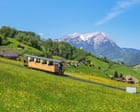
The Swiss village of Stans emerges as a standout destination for its unique engineering marvel. The journey begins with an old wooden funicular carriage ascending to a station, where visitors board a double-decker cable car. The upper deck features an open viewing platform accessed by spiral staircase, offering unobstructed panoramas back toward Lucerne. Alpine marmots frequent the summit, adding wildlife viewing to the experience. This combination of vintage infrastructure and modern comfort typifies the thoughtful approach Swiss mountain tourism takes toward visitor experience.
The reader submissions span multiple alpine regions. The Pyrenees foothills attract adventurers seeking dramatic landscapes and cultural immersion. The Dolomites in Italy draw photographers and hikers with their distinctive pale limestone peaks and network of accessible trails. Switzerland's more established cable car infrastructure and mountain railways appeal to those prioritizing convenience and scenic viewpoints. Each range offers distinct advantages depending on travel priorities.
Mountain dining emerges as a consistent theme throughout the submissions. Altitude restaurants across the Alps serve both casual fare and fine dining experiences. The elevation itself transforms meals into memorable events. Whether stopping for fondue in a Swiss hut or enjoying Italian cuisine in a Dolomites refuge, food becomes integral to the mountain experience rather than mere sustenance.
The data reveals shifting preferences in European mountain travel. Travelers increasingly seek specific, curated experiences rather than generic alpine visits. They pursue opportunities to observe wildlife like marmots, ride historic funiculars, and dine at elevation. Instagram-friendly viewpoints and accessible yet dramatic landscapes rank highly. Budget-conscious travelers find excellent value in mountain regions offering cable car day passes combined with refuge meals.
Accessibility shapes destination choices significantly. Switzerland's extensive mountain railway network attracts older travelers and those with mobility considerations. The Dolomites appeal to active hikers willing to invest in multi-day treks. The Pyrenees serve hikers and adventure tourists seeking less crowded alternatives to more famous peaks.
Seasonality matters. Summer months offer reliable weather and full access to mountain restaurants and attractions. Spring and fall present smaller crowds and dramatic light for photography. Winter transforms the landscape entirely, making summer exploration the priority for most travelers.
The submissions suggest a broader trend toward slow travel in mountains. Rather than rushing through multiple destinations, readers describe multi-day stays in single locations. Base camps in villages like Stans allow daily exploration via cable cars and hiking trails. This approach reduces travel fatigue and deepens connection to place.
For travelers planning European mountain trips, these reader experiences offer practical benchmarks. Factor cable car costs into budgets, typically 15 to 25 euros per round trip. Book mountain restaurants in advance during peak summer season. Allocate at least two to three days per region to justify travel time. Pack layers regardless of season, as temperatures drop significantly with elevation. Consider staying in villages rather than resort towns for authentic experiences and better value.
The collective wisdom from these submissions emphasizes that European mountain travel rewards patience and specificity. Successful trips focus on one or two regions rather than checking multiple boxes. They build in time for unexpected discoveries and extended meals with views. The best mountain experiences emerge not from rushing to summits but from lingering in the spaces between.