# Community Hiking in Slovakia's High Tatras Offers More Than Mountain Views
Group hiking trips through Slovakia's High Tatras deliver something modern travel rarely provides: genuine human connection forged through shared physical challenge. Walking holidays that pair strangers for multi-day treks across the Carpathians' highest range have become a blueprint for experiential travel that prioritizes community over comfort.
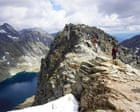
The High Tatras, Slovakia's crown jewel of alpine scenery, rise dramatically from the Carpathian spine with jagged peaks and glacier-fed lakes scattered across an otherworldly landscape. Trekkers summiting peaks like Kôprovský štít experience unobstructed views across successive ridgelines, with marmots and golden eagles providing wildlife encounters rarely found on organized tours. The mountains demand physical effort but reward participants with the kind of euphoria that bonds strangers into temporary families.
These group walking holidays tap into a proven travel trend. Solo travelers and those seeking meaningful experiences increasingly reject resort bubbles in favor of active itineraries that require collaboration. Shared fatigue, mutual encouragement on steep ascents, and the collective relief of reaching camp create bonds stronger than typical tourism interactions. The High Tatras' accessibility for moderately fit hikers makes them ideal for this format. Routes range from day walks suitable for casual hikers to multi-day traverses requiring mountain experience.
Operators organizing these trips position the Tatras as Europe's most underrated alpine destination. Unlike Switzerland's Valais or France's Mont-Blanc region, these mountains remain refreshingly uncrowded despite comparable scenery. Accommodation typically combines mountain huts and guesthouses in villages like Štrbské Pleso, Tat Lieskové, and Smokovce. Most group hikes operate June through September when snow clears from lower passes.
The economics favor budget-conscious adventurers. Group walking holidays in the Tatras typically cost 40-60 percent less than equivalent alpine experiences in the Alps. Seven-day treks range from €600 to €1,200 including accommodation, meals, and guide services. Flights to nearby Poprad airport from major European hubs run €80-150 return. Local operators offer personalized routing, from scrambling-heavy technical routes to well-marked hiking paths.
What separates these trips from standard group tourism is their deliberately modest scale. Most operators limit groups to 8-12 people, maintaining intimacy while distributing costs. Local guides provide cultural context about Slovakia's mountain heritage, hiking traditions rooted in 19th-century exploration, and the region's recovery after Communist-era tourism restrictions.
The phenomenon reflects broader travel philosophy. Research consistently shows travelers increasingly value experiences where they contribute effort rather than passively consume. Mountain hiking demands presence. Altitude dulls phone connectivity. Exhaustion silences small talk. What remains is unfiltered human interaction.
Slovakia's High Tatras offer this calculus without the altitude sickness of Patagonia or the expense and logistics of Nepal. European accessibility combined with genuine wilderness and genuine companionship has created a growing niche. For travelers tired of Instagram-optimized experiences, group hikes through these peaks deliver something increasingly rare: the simple pleasure of shared struggle resulting in shared triumph.