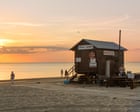
Lithuania's Baltic coast emerges as a refreshing escape for European summer travelers seeking relief from scorching Mediterranean heat and overcrowded beaches.
Palanga, a laid-back resort town on Lithuania's western shore, delivers what increasingly harried travelers crave: affordable accommodations, genuine culture, manageable crowds, and temperatures significantly cooler than southern Europe. The shallow, crystal-clear waters here reach only thigh-deep far from shore, making the beach family-friendly without the chaotic energy of Spanish or Italian coastlines.
The water's pale green hue comes from Furcellaria lumbricalis, a feathery seaweed that brushes swimmers' legs but poses no threat. The sandy white beaches stretch invitingly, with a distinctly Baltic character absent from overexploited Mediterranean resorts. Palanga's gradual shelf means children can wade safely for extended distances while parents relax on shore.
The timing matters. While much of Europe battles dangerous heatwaves, school closures, and health warnings, Lithuania's coastal region maintains pleasantly temperate conditions. This practical advantage alone shifts the calculus for families planning summer holidays. A week in Palanga costs substantially less than comparable time in Croatia, Greece, or France, particularly outside peak tourist traps.
Beyond the beach, the region offers serious cultural and natural attractions. The Curonian Spit, a wild sand dune ecosystem straddling Lithuania and Russia's Kaliningrad enclave, provides dramatic contrast to manicured resort beaches. This UNESCO World Heritage Site features towering dunes, pine forests, and isolated fishing villages frozen in time. Day trips from Palanga reach the spit easily via local transport.
Palanga itself maintains quiet charm. The town's seaside promenade, lined with cafes and small shops, avoids the commercialization plaguing Mediterranean beach towns. Local restaurants serve fresh Baltic fish and traditional Lithuanian fare at prices that won't empty your travel budget. Accommodation ranges from family-run guesthouses to mid-range hotels, all significantly cheaper than comparable options in Western Europe.
This Baltic alternative reflects a broader shift in European travel patterns. As climate change intensifies southern heat waves and overtourism degrades Mediterranean destinations, travelers increasingly look north. Portugal's Algarve and Spain's Costa Brava still attract crowds, but lesser-known coastlines like Lithuania's gain attention from budget-conscious families and experienced travelers seeking authenticity.
Getting there requires planning. Most visitors fly to Vilnius, Lithuania's capital, then drive or take buses to Palanga, roughly three hours northwest. Direct flights from major European cities remain limited, making this still relatively undiscovered by package tour operators. That obscurity becomes an asset for travelers valuing solitude.
The water temperature, around 16-18 Celsius even at summer's peak, deters casual paddlers but energizes serious swimmers. It's colder than Mediterranean waters but refreshing during heat waves. Locals swim regularly without complaint.
Lithuania's EU membership means straightforward logistics for European visitors. Currency is the euro. Infrastructure meets Western standards. Summer season runs June through August, with July warmest, though even then temperatures rarely exceed comfortable levels.
For travelers tired of Mediterranean cliches, inflated costs, and overtourism, Palanga and the Curonian Spit deliver genuine Baltic hospitality at authentic prices. The cooler water and air aren't bugs. They're features.