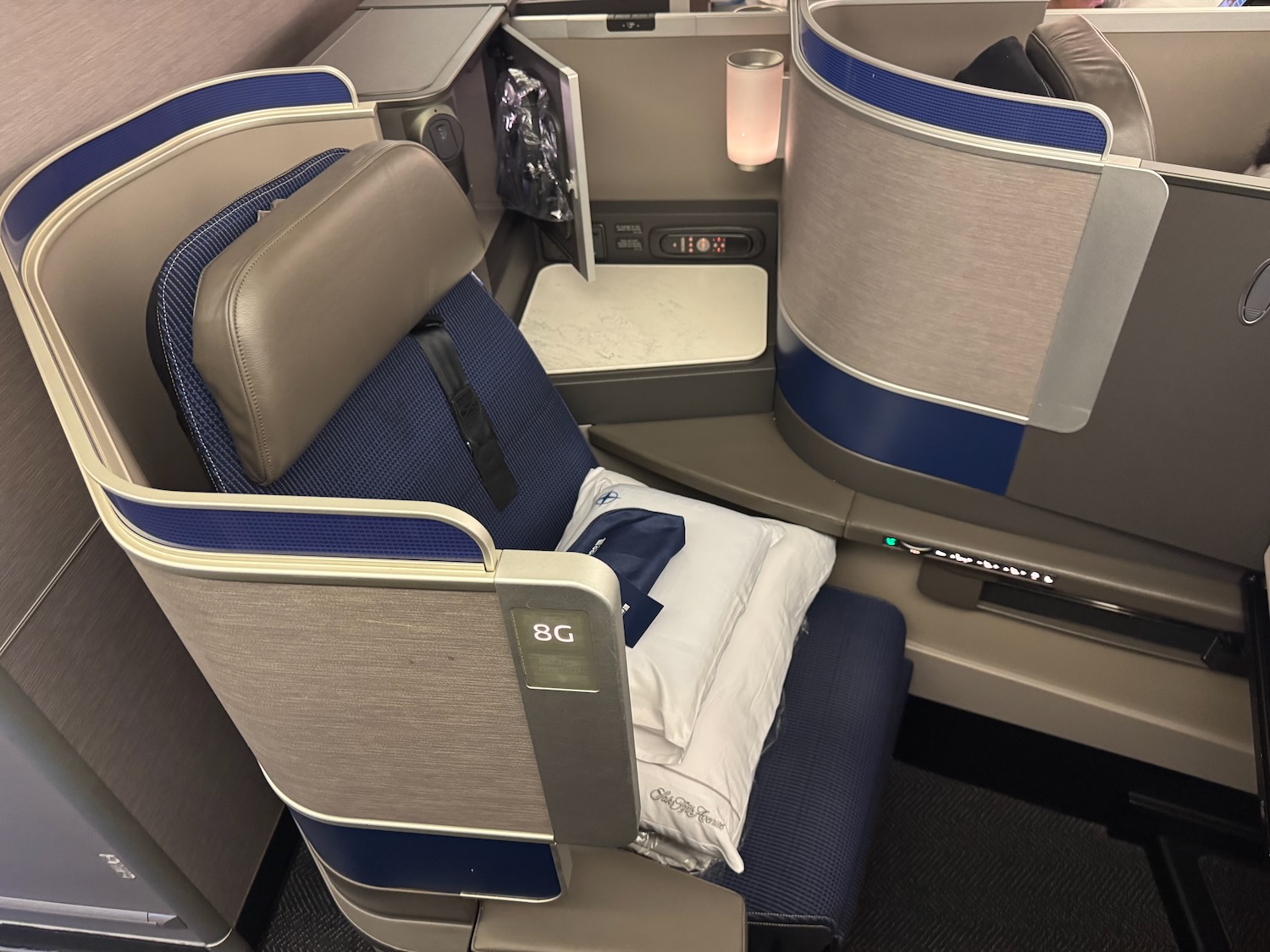
# Premium Cabin Searches Doubled in a Year
Demand for first and business class seats has exploded while economy cabin interest stalled, signaling a fundamental shift in how affluent travelers approach flying. Search volume for premium cabins doubled over the past twelve months, according to data from industry tracking platforms, while economy searches remained flat. This widening gap reflects deeper changes in wealth distribution, remote work patterns, and post-pandemic travel priorities.
The disparity tells two distinct stories about modern aviation. High-net-worth travelers and business professionals are booking premium cabins at accelerating rates, treating improved comfort and service as non-negotiable. Meanwhile, leisure travelers and budget-conscious fliers show little growth in search activity, suggesting price sensitivity remains high despite inflation cooling. Airlines report that first and business class cabins generate outsized profits per seat, making this trend exceptionally valuable.
Several factors drive this premium boom. Remote work flexibility allows executives to maximize productivity during ultra-long-haul flights, justifying the premium cost. Frequent flyer programs continue rewarding high-tier members with cabin upgrades and premium amenities, creating loyalty loops that feed this segment. Corporate travel policies have loosened considerably as companies compete fiercely for talent, particularly in financial services and technology sectors. The wealthy also discovered that booking premium cabins bypasses crowded airports and security lines through separate facilities.
Airlines have responded strategically. Major carriers reduced economy seating in favor of premium configurations on lucrative routes. American Airlines, United Airlines, and Delta Air Lines all expanded business class on transatlantic and transpacific routes serving wealthy markets like New York, London, Hong Kong, and Singapore. Gulf carriers Emirates, Qatar Airways, and Etihad Airways already dominated premium long-haul markets, further intensifying competition for luxury travelers.
Pricing reflects this demand shift. Business class fares on competitive transatlantic routes average $8,000 to $15,000, while first class on premium carriers reaches $20,000 and beyond. Economy seats on the same routes cost $600 to $1,500. The financial incentive for airlines to push premium cabins is enormous. A single first class passenger generates revenue equivalent to eight economy passengers while consuming less cabin space.
This structural widening has profound implications for travel accessibility. The airline industry increasingly segments itself into a premium tier serving the wealthy and a compressed economy serving everyone else. Airlines abandon unprofitable routes serving smaller markets while loading premium capacity on trunk routes between major cities. Budget carriers like Southwest Airlines and Ryanair face pressure to introduce premium offerings, diluting their value proposition.
For travelers planning trips, the message is clear. If you cannot afford premium cabins, book economy seats on shorter routes or consider alternative transportation like trains and buses on dense corridors. Those with flexibility and means should book premium cabins earlier, as availability tightens alongside rising demand. The era of broad-based airline services satisfying all segments equally is over. Premium cabin searches doubling in one year reflects a permanent realignment toward serving affluent passengers first.