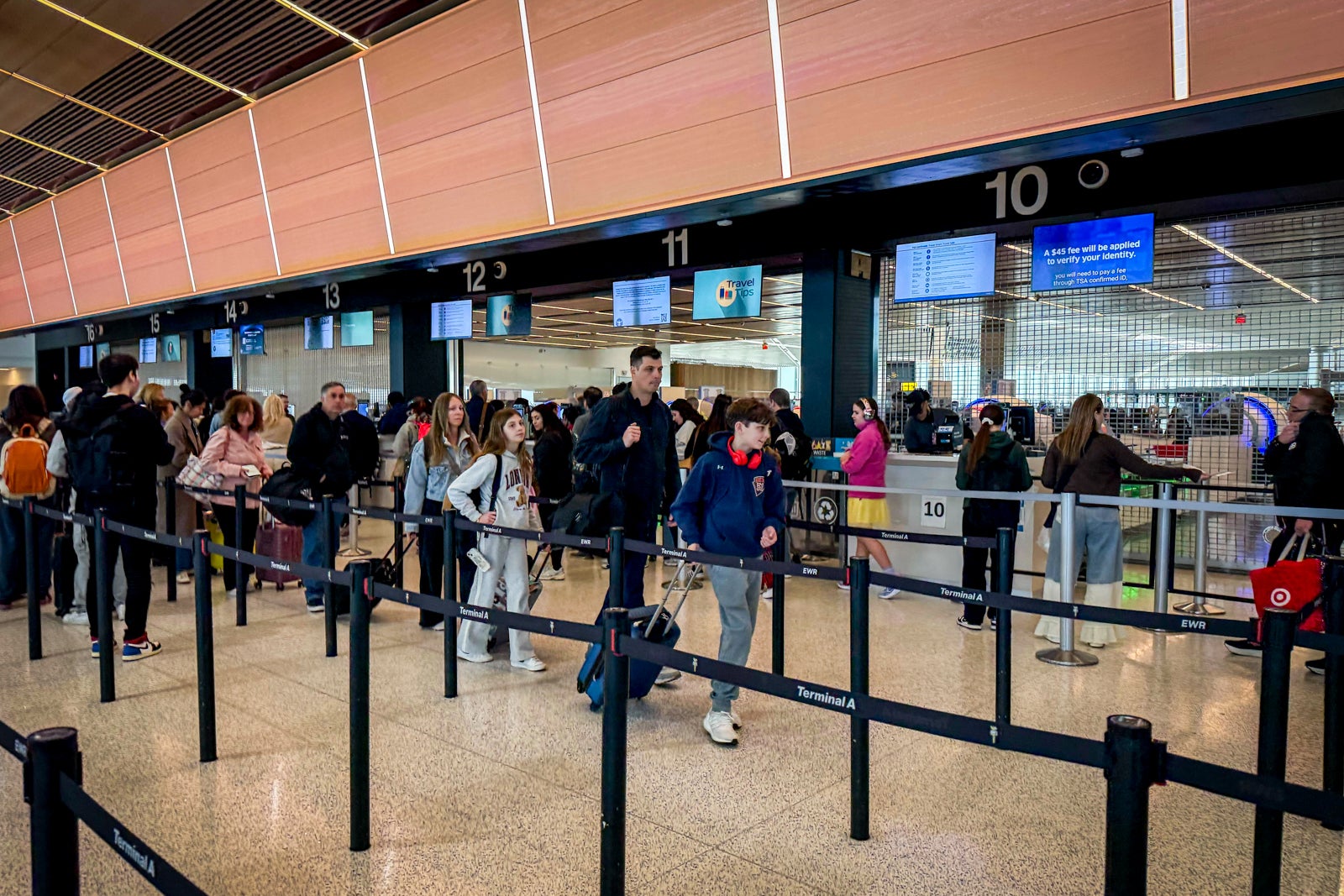
The longest federal government shutdown in U.S. history has ended, restoring normal operations at TSA checkpoints nationwide. However, travelers should prepare for potential disruptions if another shutdown occurs.
During the shutdown, TSA agents worked without pay, creating staffing shortages and longer security lines at major airports. While operations have resumed, the experience exposed vulnerabilities in air travel infrastructure during government funding lapses.
Travelers face real risks if future shutdowns happen. TSA staffing levels drop when agents cannot afford to work unpaid shifts. This creates cascading delays that ripple through airports and airlines. Some destinations and flight routes experience worse disruptions than others.
Plan strategically for upcoming travel. Arrive at airports earlier than usual to account for potential checkpoint delays. Check real-time TSA wait times through the TSA's official website before heading to the terminal. Consider TSA PreCheck or Clear membership to bypass standard screening lines during busy periods.
The shutdown highlighted a systemic problem. Federal agencies lack sustainable funding mechanisms to maintain service levels during political disputes. Travelers should monitor government funding deadlines and adjust travel plans accordingly.
Book flights with flexible change policies. Maintain extra buffer time between connecting flights. Stay informed through airline and TSA communications about any operational changes.