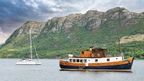
# Scotland's Tiny Cruises Go Where Mega Ships Cannot
Small-ship cruise operators are carving out a distinct niche in Scotland's waters, accessing remote lochs, islands, and coastal villages that mega cruise ships simply cannot reach. These bijou luxury liners operate with shallow drafts and compact dimensions, allowing them to navigate narrow channels and dock at quaint harbors where 4,000-passenger vessels sit idle.
Operators like Hebridean Island Cruises and Seabourn deploy ships carrying between 50 and 300 passengers, creating intimate travel experiences in the Hebrides, Orkney, and Shetland Islands. These vessels glide into tiny ports like Scalloway and Tarbert, communities that rarely see tourism revenues from the cruise industry. Passengers explore Scottish whisky distilleries on Islay, hike remote glens, and interact with local guides rather than herding through standardized shore excursions.
The economics work differently for small operators. While mega ships chase volume and turnaround efficiency, boutique cruise lines prioritize exclusivity and premium pricing. A week aboard these vessels costs significantly more per person than mainstream cruise lines, but passengers receive personalized service, gourmet dining, and access to places like the island of Ulva and the dramatic sea cliffs of Handa Island.
Travel trends favor this approach. Post-pandemic cruisers increasingly reject crowded itineraries. Younger luxury travelers seek authentic encounters with destination cultures rather than resort-style floating hotels. Scotland's small-ship market capitalizes on this shift, offering what mega ships cannot: genuine connection to landscape and community.
The sustainability argument appeals too. Smaller ships produce lower emissions per passenger and reduce strain on fragile island ecosystems. Local businesses benefit from higher per-person spending and seasonal employment opportunities.
Competition intensifies as operators expand fl