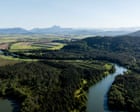
The Tweed region in New South Wales has secured one of just 50 spots on Lonely Planet's Best in Travel 2027 list, cementing its status as a major global destination. The announcement places this coastal area alongside only one other Australian location, the Red Centre in the Northern Territory, making it a rare honor for Australian tourism.
Nestled beside the more famous Byron Bay, the Tweed region offers comparable natural beauty without the crowds or premium price tags that define its celebrated neighbor. The landscape features rainforests, pristine beaches, and dramatic mountain ranges that rival any major holiday destination. What sets the Tweed apart is its character. While Byron Bay has become synonymous with wellness retreats, boutique hotels, and Instagram-friendly destinations, the Tweed maintains a more authentic, laid-back community atmosphere that locals describe as the "daggier neighbour" to Byron's polished veneer.
The Tweed's inclusion on this prestigious list signals a shift in global travel priorities. After years of overtourism at flagship destinations like Byron Bay, travelers increasingly seek alternatives that offer natural beauty with genuine local culture intact. The region includes towns like Murwillumbah, Kingscliff, and Coolangatta, each with distinct character and access to hinterland villages, waterfalls, and hiking trails that rival anything in nearby Queensland.
This recognition arrives at a critical moment. The Tweed has historically operated in Byron Bay's shadow, attracting fewer international visitors and less media attention. That dynamic will inevitably change. Lonely Planet's endorsement carries tremendous weight with independent travelers and travel planners worldwide. Previous inclusions on their annual lists have transformed lesser-known destinations into must-visit locations within months of announcement.
For the Tweed, the implications are substantial. Tourism operators will face increased bookings and demand for accommodations. Local restaurants, adventure outfitters, and cultural attractions should expect visitor surges. Boutique hotels and short-term rental operators will likely raise rates to match incoming demand. Infrastructure like parking, dining capacity, and local services will face strain as word spreads through Lonely Planet's global readership and travel media outlets.
The region's greatest asset may prove to be its vulnerability. Unlike Byron Bay, which has institutional tourism infrastructure already in place, the Tweed remains relatively underdeveloped for high-volume tourism. This creates both opportunity and risk. Smart investment could elevate local businesses without compromising the community values that make the region special. Conversely, rapid development could dilute the very authenticity that earned Lonely Planet's recommendation.
The Red Centre recognition focuses on traditional Indigenous tourism and outback experiences centered around Uluru and Alice Springs. The dual listing underscores Lonely Planet's interest in Australia beyond coastal cities and established beach destinations. For the Tweed specifically, the recognition validates what locals have always known. The beaches at Kingscliff rival southern Queensland spots. The hinterland around Murwillumbah offers subtropical rainforest experiences comparable to far north Queensland without the crowds or humidity.
Travelers planning 2027 trips should expect the Tweed to evolve rapidly. Early visitors will experience the region much as it exists today. Later arrivals will encounter a destination transformed by international attention, with corresponding increases in accommodation costs, restaurant reservations becoming harder to secure, and hiking trails experiencing foot traffic similar to Byron Bay's popular spots.