# America's Crystal-Clear Waters: Where to Find the Cleanest Swimming Destinations
Swimming has replaced yoga as America's favorite wellness activity, and travelers seeking pristine waters now have clear targets across the country. The cleanest swimming destinations in the United States offer transparency that reveals underwater terrain, minimal algae, and the kind of visibility that makes every stroke feel like floating through liquid glass.
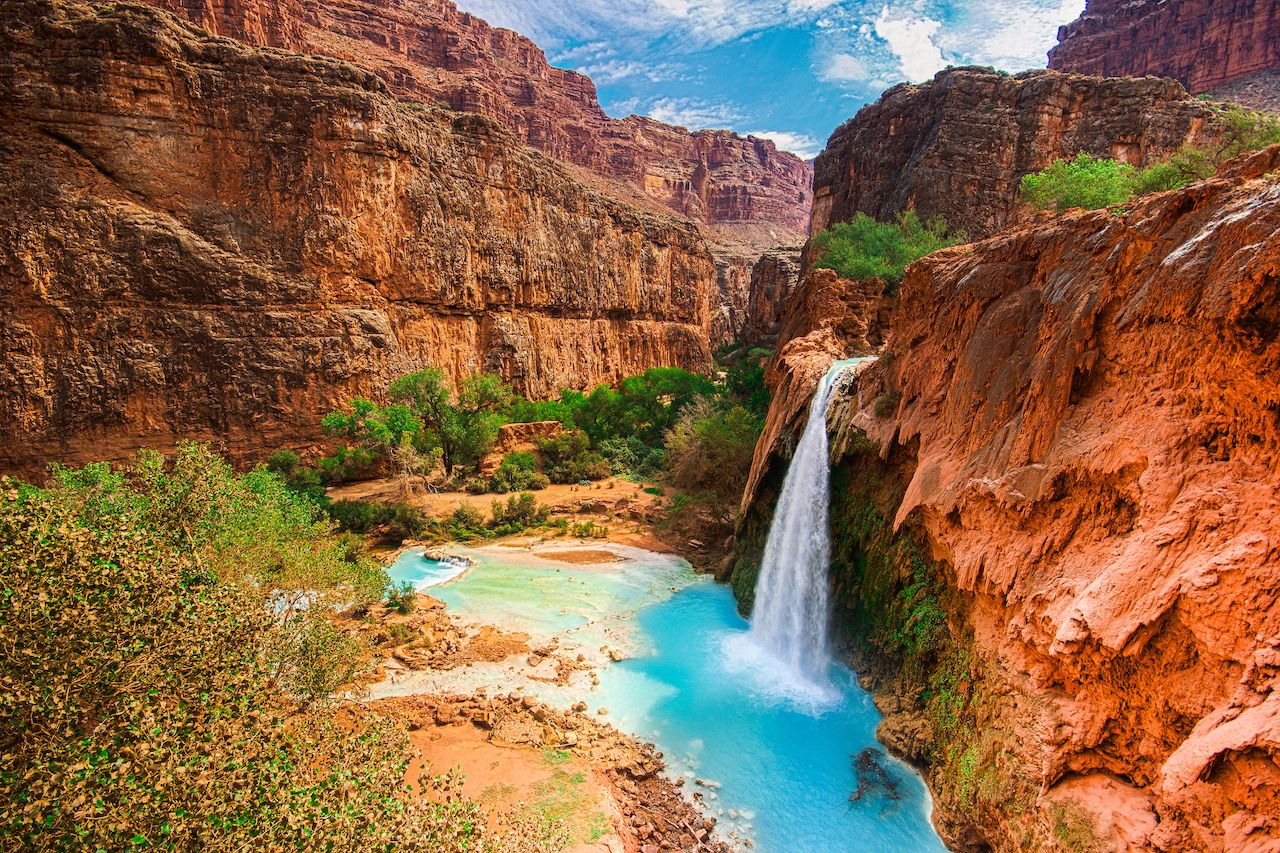
Havasu Falls in Arizona tops many lists of America's clearest waters. Nestled within the Grand Canyon, this travertine-rimmed waterfall creates pools so transparent that swimmers can see 40 feet down. The turquoise hue comes from minerals in the water, not murk. Getting there requires a 10-mile hike into Havasupai territory, which requires permits and typically costs between $75 and $300 depending on season. The Havasupai Tribe manages access strictly, capping visitors to preserve water quality and the experience.
Crater Lake in Oregon ranks as one of North America's cleanest lakes overall. The volcanic caldera holds water so clear that sunlight penetrates to depths of 100 feet. Unlike crowded beach destinations, Crater Lake offers solitude. The park service maintains strict standards that keep the water pristine. Summer swimming runs July through September, when water temperatures reach a tolerable 50-60 degrees Fahrenheit.
Lake Tahoe, straddling California and Nevada, consistently rates among America's clearest alpine lakes. The lake's depth (1,645 feet at its deepest point) and glacial origins mean visibility extends 70 feet in many spots. Shore access varies from crowded public beaches to quieter coves. Summer temperatures reach 70 degrees Fahrenheit, making it genuinely swimmable without a wetsuit.
Moraine Lake in Banff National Park, Alberta (just across the Canadian border), displays water so blue it challenges belief. Though technically Canadian, many American travelers drive the 16 hours from Seattle or Denver for the experience. The lake sits at 6,000 feet elevation, so swimming happens in brief windows during July and August.
The Ozark region of Missouri and Arkansas offers hidden springs that maintain 52-degree water year-round. Devil's Den State Park near Fayetteville delivers clear creek swimming without the extreme remoteness of Arizona or Oregon locations. Day-trip accessibility makes this option practical for weekend warriors.
Clear water preservation requires active management. Lake Tahoe faces pressures from climate change, tourism impact, and wildfire ash runoff. Park services across these destinations balance public access with environmental protection. Travelers visiting these spots now bear responsibility for leaving them cleaner than they arrived.
The shift toward swimming as wellness activity creates both opportunity and risk. More visitors means more funding for preservation efforts, but also potential damage from overuse. Booking permits in advance, respecting closure periods, and following Leave No Trace principles keeps these waters clear for future swimmers. The transparency that makes these waters special depends entirely on visitor behavior.