# Railway Pubs Across England Offer Heritage, Ales, and a Reason to Miss Your Train
England's railway stations have transformed defunct Victorian waiting rooms, ticket offices, and buffet bars into thriving public houses that celebrate transport heritage while serving craft ales and hearty food. These converted spaces offer travellers and locals alike a compelling reason to linger on platforms rather than rush toward departing trains.
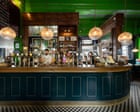
The Old Ticket Office in Cambridge exemplifies this trend. The pub occupies what was literally a ticket office, complete with locomotive green walls and booth seating designed to resemble train carriage interiors. High ceilings and original architectural details preserve the Victorian-era character. The venue stocks five handpulls featuring ales alongside Young's drinks, plus a spritz menu and light pizzas. A live departures board hangs above the bar, a tongue-in-cheek reminder that the train schedule exists. Station Square outdoor seating expands capacity for fine-weather drinking. A canning machine allows drinkers to purchase draught beer to take away, with platform-side hatch service available for those genuinely rushing to catch a connection.
This concept reflects broader railway heritage conservation efforts across Britain. Station pubs occupy a unique niche in the travel experience. They sit at the intersection of practical infrastructure and leisure hospitality, serving commuters during layovers, tourists exploring new cities, and enthusiasts celebrating transport history.
The conversion strategy preserves original features that might otherwise vanish. Waiting rooms become snugs. Ticket counters transform into bar backs. Architectural bones remain intact while modern hospitality infrastructure updates plumbing, electrical, and food safety systems. CAMRA, the Campaign for Real Ale, has recognized the Old Ticket Office, indicating these pubs often feature rotating real ale selections that appeal to beer enthusiasts.
The economic model benefits both property owners and communities. Railway stations generate consistent foot traffic. Converting underused administrative spaces into revenue-generating establishments maximises property value while maintaining heritage. Travellers facing delays gain unexpected entertainment venues rather than facing dreary waiting rooms. A two-hour delay becomes an opportunity to sample regional ales rather than a frustration.
These station pubs attract multiple customer segments. Business travellers with time between connections represent reliable daytime traffic. Weekend leisure visitors explore new towns and appreciate the novelty of drinking in historic railway buildings. Local regulars use station pubs as neighborhood gathering spots, offsetting seasonal tourism fluctuations.
The live departures board serves dual purposes. For genuine travellers, it prevents missed trains. For leisure drinkers, it adds theatrical atmosphere and authenticity. The canning service at the Old Ticket Office acknowledges modern drinking trends while maintaining traditional pub hospitality.
This model has expanded across England's railway network. Ten notable examples now operate, each preserving distinct architectural features while adapting to contemporary expectations around food quality, beverage selection, and accessibility. The formula works because it solves a real problem (passenger waiting time lacks amenities) while celebrating cultural heritage and supporting local economies.
For travellers planning trips involving railway journeys, building time into itineraries for station pub exploration changes the experience from transportation logistics into cultural tourism. A delayed train connection becomes a feature rather than a bug.