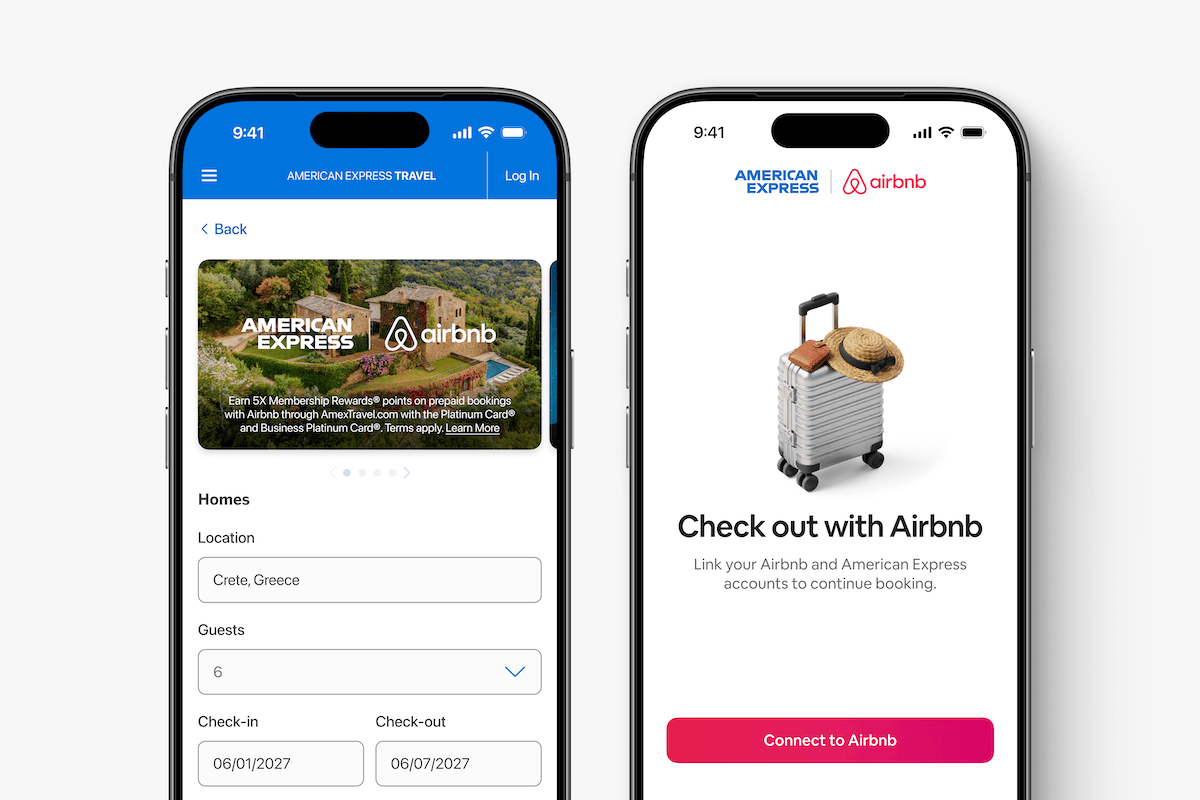
Airbnb just secured exclusive rental placement on American Express Travel, the corporate travel arm of the credit card giant, cutting off a major distribution channel that Expedia's Vrbo was eyeing for expansion.
The partnership represents a strategic pivot for Airbnb beyond consumer-direct bookings. Rather than compete solely on Airbnb.com, the company now leverages American Express's affluent cardholder base and corporate travel programs. Amex Travel, which serves both leisure travelers and business accounts, offers concierge booking services and curated travel packages. Placing Airbnb rentals directly into Amex Travel's inventory gives the short-term rental platform access to a high-net-worth demographic that traditionally books through luxury travel advisors and corporate procurement systems.
For Expedia, the timing stings. Vrbo, which Expedia acquired in 2006 and rebranded in 2019, has been actively testing B2B channels beyond its direct consumer platform. The company supplies vacation rentals to other online travel agencies, corporate travel management companies, and travel partnerships. Vrbo saw Amex Travel as a logical next partner. American Express cardholders skew affluent and travel-focused, exactly the demographic Vrbo targets. But Airbnb's exclusivity agreement blocks that path.
This deal reflects how short-term rentals have evolved from peer-to-peer novelties into mainstream hospitality products. Travel managers at corporations now routinely book Airbnbs for business travelers. Luxury travel advisors incorporate short-term rentals into high-end itineraries. Distribution partnerships with financial services companies represent the next frontier. American Express Travel processes roughly $9 billion in annual travel spending, giving Airbnb significant reach into corporate and affluent leisure segments previously dominated by hotel chains.
The exclusivity clause proves critical. Had Airbnb simply partnered with Amex Travel without exclusivity, Vrbo could have followed. Instead, Airbnb locked Amex out of the Vrbo supply chain entirely. For Expedia, which has invested heavily in positioning Vrbo as a competitor to Airbnb, this exclusion from a premium B2B channel hurts growth prospects in a segment showing strong expansion.
Airbnb's move also signals confidence in its supply side. The company boasts roughly 7 million listings globally, while Vrbo operates around 2 million. Airbnb can afford to prioritize partnerships with major brands and distribution partners. The Amex deal likely includes favorable commission rates and marketing commitments that reward Airbnb's scale.
For travelers, this deal expands where Airbnbs appear. Corporate travel managers using American Express programs can now source rentals through Amex Travel rather than booking Airbnb.com directly. Business travelers earning American Express Platinum or Corporate Amex cards gain another booking avenue. Luxury leisure travelers working with Amex concierge services access curated Airbnb properties alongside hotels and villas.
The move also pressures Expedia to deepen relationships elsewhere. Vrbo needs B2B distribution partnerships to compete with Airbnb's consumer reach and emerging channel diversity. Without access to Amex Travel, Vrbo must pursue other corporate travel platforms, regional travel agencies, and international distribution networks. The race to place vacation rentals into premium distribution channels just accelerated, and Airbnb seized first-mover advantage.