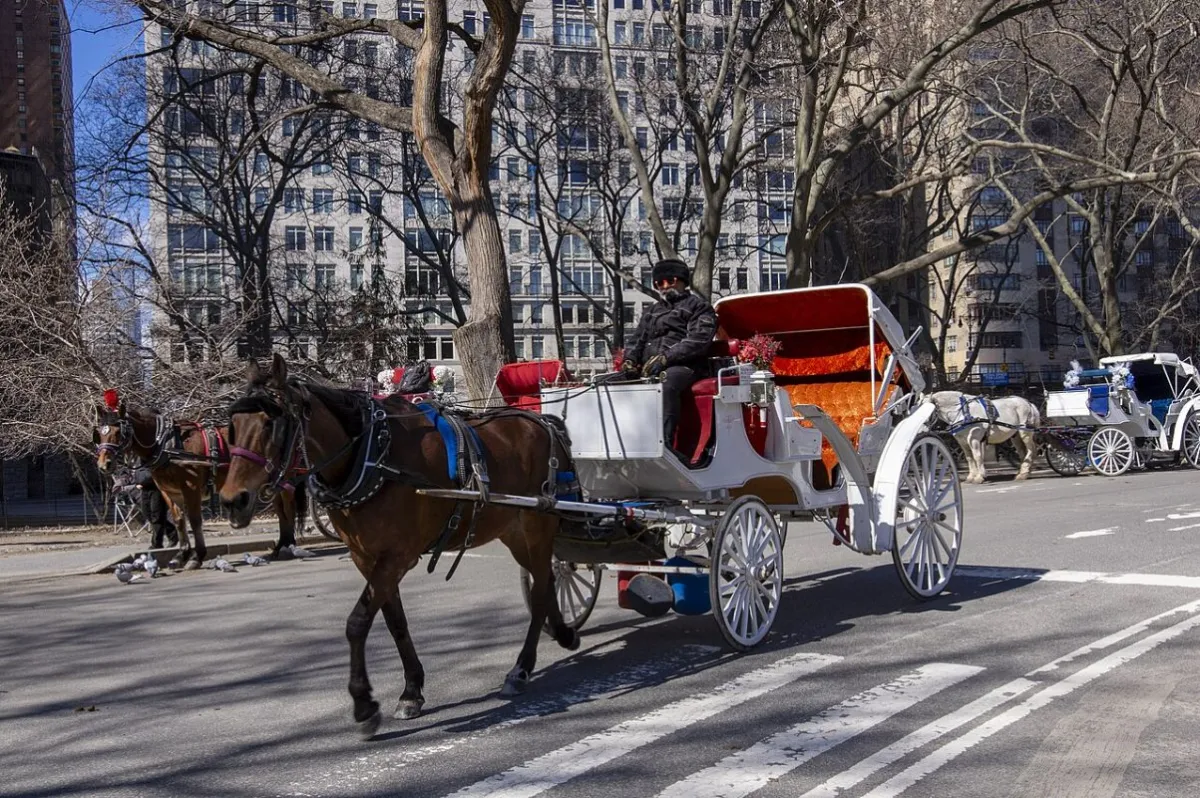
# New York City's Iconic Horse-Drawn Carriages Face Elimination by 2028
New York City is phasing out one of its most recognizable symbols of tourism and romance. The city's beloved horse-drawn carriages, which have transported visitors through Central Park and along Manhattan's streets for decades, will cease operations by 2028 under a new municipal decision.
The move stems from animal welfare concerns. Activists and city officials have long debated whether the horses endure unsuitable working conditions in an urban environment. Operating conditions in New York's heat, cold, and heavy traffic have drawn scrutiny from animal rights groups who argue the animals deserve better treatment than the current regulatory framework provides. The 2028 deadline gives the carriage industry and city stakeholders time to manage the transition, though the decision represents a dramatic shift in New York's tourist landscape.
The horse-drawn carriage business has operated in Manhattan for generations. Companies like Wollman Rink Carriages and other established operators have built their brands on offering visitors a nostalgic, quintessential New York experience. Tourists flock to Central Park specifically to book these rides, often viewing them as a must-do activity. The industry employs dozens of coachmen and supports stables across the city. Eliminating this sector will reshape how visitors experience Manhattan's most famous attractions.
City lawmakers floated pedicabs as the primary replacement. Electric and human-powered tricycles have expanded across Manhattan in recent years, offering an eco-friendly alternative for sightseeing tours. Companies like NYC Rickshaw and other pedicab operators have gained traction with tourists seeking sustainable transportation options. However, the pedicab industry brings its own complications. Lawmakers identified worker exploitation concerns, inconsistent safety standards, and unregulated pricing as significant issues that require resolution before pedicabs become the official replacement.
The transition reflects broader changes in how cities manage tourism and animal welfare. Other major cities have taken similar steps. Barcelona banned horse-drawn carriages in 2018, replacing them with electric vehicles. London has debated comparable restrictions. These moves indicate a global shift toward prioritizing animal conditions and sustainability over preserving traditional tourist experiences.
For visitors planning New York trips between now and 2028, horse-drawn carriage rides through Central Park remain available. Booking companies like Viator and GetYourGuide still offer these experiences. Prices typically range from $50 to $100 for standard tours, with premium rates for extended rides. Hotels like the Plaza Hotel and Mandarin Oriental have traditionally coordinated carriage services for guests seeking this iconic experience.
The elimination timeline gives the industry time to pivot. Some carriage operators may transition to pedicab businesses. Others might shift toward vintage trolleys or other nostalgia-driven transportation models. The city must also address the logistical challenge of relocating horses and resolving stable operations.
The decision satisfies animal welfare advocates while creating uncertainty for an industry rooted in New York's tourism identity. Policymakers must now establish clear regulations for pedicabs to ensure they solve rather than create labor and safety problems. For travelers seeking that classic Central Park carriage experience, the window is narrowing to four years.