# Southeast Asia's Haze Darkens Malaysia's Already Struggling Tourism Recovery
Malaysia's tourism sector faces a compounding crisis. The country missed its 47 million visitor target well before haze from Indonesian wildfires swept across the region, and air quality deterioration now threatens to erase what little recovery momentum remained for 2024.
Tourism Malaysia had already revised expectations downward before smoke blanketed major cities including Kuala Lumpur, Penang, and Johor Bahru. The haze, which regularly blankets Southeast Asia during dry seasons, adds a new obstacle to an industry still recovering from pandemic-era losses. The real concern for operators and hotels is psychological. Travelers deciding whether to visit Malaysia this year will factor air quality into their decisions, and the critical question becomes whether tourists will avoid only the worst-hit regions or cancel Malaysia entirely.
The timing could not be worse. Malaysia depends heavily on regional tourism from Singapore, Thailand, and Indonesia, as well as long-haul visitors from China and Europe. Air pollution forces cancellations and shortens stays. Hotel booking patterns show travelers either postpone trips or choose alternative destinations with clearer skies. Airlines including Malaysia Airlines and AirAsia report softer demand during haze periods, though neither carrier has announced schedule reductions yet.
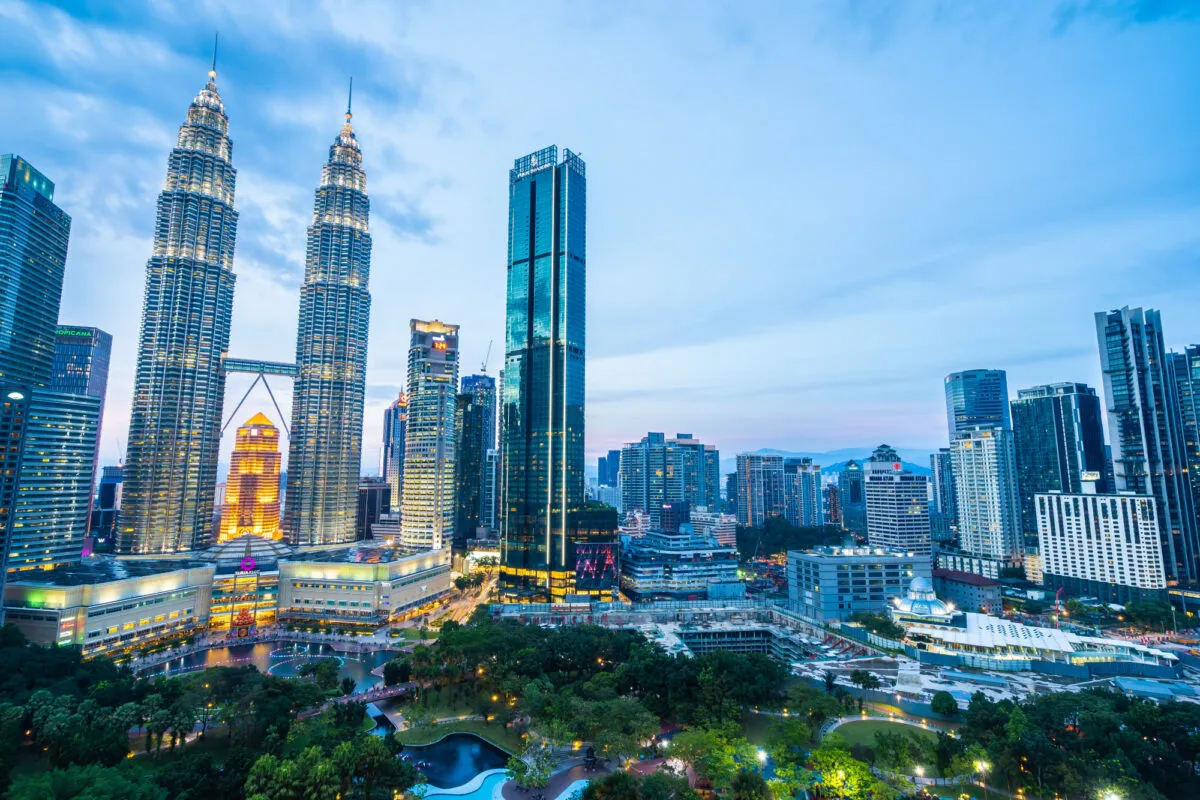
The Petronas Twin Towers, Langkawi's beaches, and Cameron Highlands typically draw millions annually. During severe haze events, visibility drops dramatically. The Klang Valley, Malaysia's most populous region, frequently records Air Quality Index readings exceeding hazardous levels. Travelers book hotels in Kuala Lumpur and Selangor, only to find outdoor activities impossible.
Regional competition intensifies the problem. Thailand, Vietnam, and Indonesia all compete for the same traveler dollar. Thailand's southern islands remain relatively clear during haze season. Vietnam's central highlands offer alternatives. Indonesia, despite being the haze source, has less affected regions like Bali that maintain tourism operations. Malaysia's lack of geographic diversity in major tourist zones means the haze impacts its most visited destinations.
Hotel occupancy rates in major cities typically decline 15-25 percent during moderate haze events, and up to 50 percent during severe episodes. Mid-range hotels like those in the Sunway and IOI City corridors near Kuala Lumpur report cancellations from both leisure and business travelers. Luxury properties like The Ritz-Carlton and Four Seasons maintain better performance due to guest commitment levels, but even these see softening demand.
The 47 million target represented an ambitious goal even before haze arrived. Malaysia received approximately 25-26 million visitors in recent pre-pandemic years. Post-pandemic recovery has been slower than projected. Chinese travel to Malaysia recovered unevenly, while Indian and Middle Eastern tourism remained below historical levels. The gap between the target and realistic projections suggested fundamental challenges beyond environmental factors.
Tour operators face immediate pressure. Packages to Perhentian Islands, Taman Negara, and the Genting Highlands include activities dependent on clear skies. Snorkeling trips, jungle treks, and cable cars become unviable during heavy haze. Operators must refund deposits or reschedule, eroding margins already compressed by competitive pricing and airline costs.
Climate patterns suggest haze will persist through early 2025 if weather conditions follow historical trends. Malaysia's tourism recovery now depends on whether air quality improves before year-end. Without significant atmospheric changes, the final tourism figures will reflect not just a missed target but a sector facing compounding headwinds that extend beyond fire season.