# Shopping in the Cotswolds: A Guide to England's Most Charming Retail Destinations
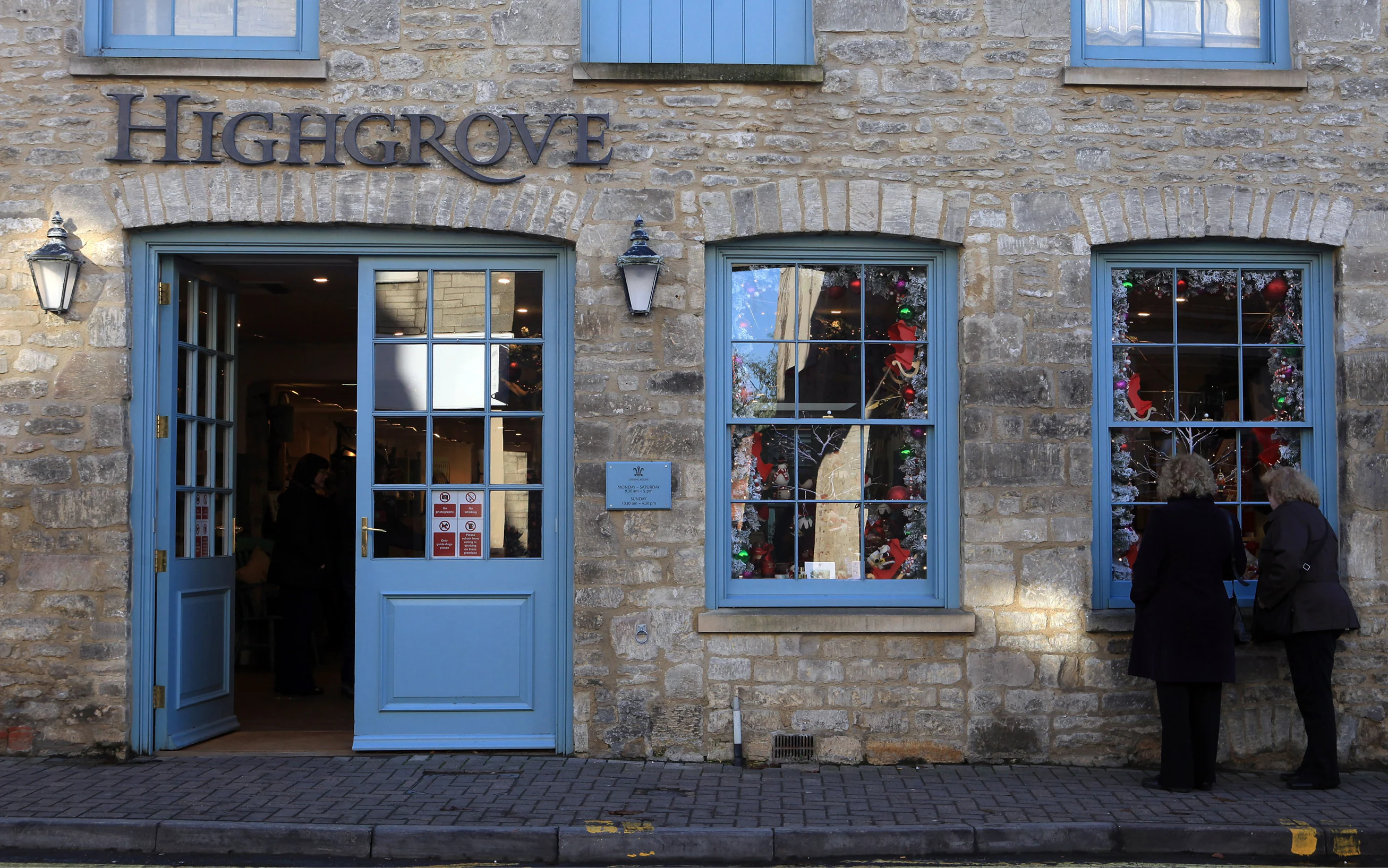
The Cotswolds has emerged as one of England's premier shopping destinations, offering visitors and locals alike a curated blend of independent boutiques, designer outlets, and traditional high streets that rival London for style and authenticity. Unlike sprawling malls and chain-dominated shopping zones, the Cotswolds' retail landscape reflects the region's character: honey-coloured stone villages, locally-owned shops, and the kind of browsing experience that rewards wandering.
Bourton-on-the-Water serves as the shopping capital of the Cotswolds. This postcard-pretty village sits along the River Windrush, with galleries, gift shops, and specialty stores lining both sides of the High Street. Visitors find everything from artisan chocolates to bespoke jewellery here. The architecture alone makes shopping an experience rather than a transaction. Chipping Campden, another standout, houses independent retailers focused on craftsmanship. Jewellers, bookshops, and homeware boutiques occupy Grade I-listed buildings along High Street. The town's wool-trading heritage still permeates its retail identity.
Moreton-in-Marsh offers more utilitarian shopping alongside boutique finds. The town's main street features both chains and independent operators, making it accessible for those seeking necessities without sacrificing charm. Cirencester presents a more upscale proposition, with designer labels and contemporary boutiques sharing space with family-run establishments that have operated for generations.
For antique hunters, the Cotswolds delivers in abundance. Stow-on-the-Wold contains dozens of antique shops clustered around its market square. Visitors hunt through vintage furniture, collectibles, and period textiles. Broadway offers similar opportunities, with several antique dealers operating from converted period properties. These shops reward leisurely browsing. Many proprietors possess deep knowledge of their inventory and share stories about individual pieces.
Farmers markets operate seasonally across the region, particularly in Cirencester and Chipping Campden. These venues showcase local producers selling everything from organic vegetables to artisan breads, preserves, and crafts. Shopping here connects visitors directly with Cotswolds food culture.
Shopping hours tend toward traditional schedules. Most boutiques close by 5 or 6 PM on weekdays, with limited Sunday hours. Plan accordingly. Many shops shut entirely on Mondays or Tuesdays. Parking remains straightforward across most villages, though peak times (weekends, school holidays) create congestion in popular spots like Bourton-on-the-Water.
Travel logistics matter here. The Cotswolds lacks major train stations serving its village centers directly. Visitors typically base themselves in larger towns like Cheltenham or Gloucester, both accessible via National Express coaches from London. Cheltenham itself offers conventional shopping at Cavendish House and Debenhams. From there, renting a car provides optimal access to scattered villages. Alternatively, organized coach tours from London include Cotswolds shopping stops, though these offer limited browsing time.
Accommodation clusters around shopping hubs. The Slaughters Country Inn near Bourton-on-the-Water provides upscale lodging within walking distance of shops. Chipping Campden's Eight Bells Inn puts guests steps from the High Street. Budget-conscious travelers find options in Moreton-in-Marsh or Cheltenham.
The Cotswolds shopping experience suits travelers seeking quality over quantity, character over convenience. Whether hunting antiques in Stow, discovering designer finds in Cirencester, or simply browsing artisan chocolate in Bourton-on-the-Water, the region rewards unhurried exploration.