# Croatia's Adriatic Gems: Where to Find the Country's Most Beautiful Coastal Escapes
Croatia's Adriatic coastline stretches nearly 1,000 miles, dotted with pearl-like islands and medieval harbor towns that rival any Mediterranean destination. Travel experts consistently rank the country among Europe's top coastal experiences, and for good reason. The combination of crystalline turquoise waters, ancient Venetian architecture, and affordable pricing makes Croatia a magnet for travelers seeking authentic Mediterranean charm without the crowds or expenses of Italy or Greece.
The Dalmatian coast anchors Croatia's tourism appeal. Dubrovnik, the famous "Pearl of the Adriatic," draws massive cruise ship traffic but delivers jaw-dropping Old Town views and limestone cliffs plunging into cobalt waters. The city's intact medieval walls offer panoramic walks, while nearby Lokrum Island provides secluded swimming spots. Hotels like the Hilton Imperial Dubrovnik command premium prices, reflecting the destination's luxury aspirations, though guesthouses in the Stari Grad quarter offer better value.
Split ranks as the Adriatic's most underrated gem. The Roman palace of Diocletian anchors the Old Town, where narrow alleyways hide wine bars and fish restaurants overlooking the harbor. Split's waterfront Riva promenade bustles with locals and visitors alike, creating authentic Mediterranean atmosphere. The nearby Marjan peninsula offers hiking trails with sea views, and ferries depart daily to the islands of Hvar and Brač.
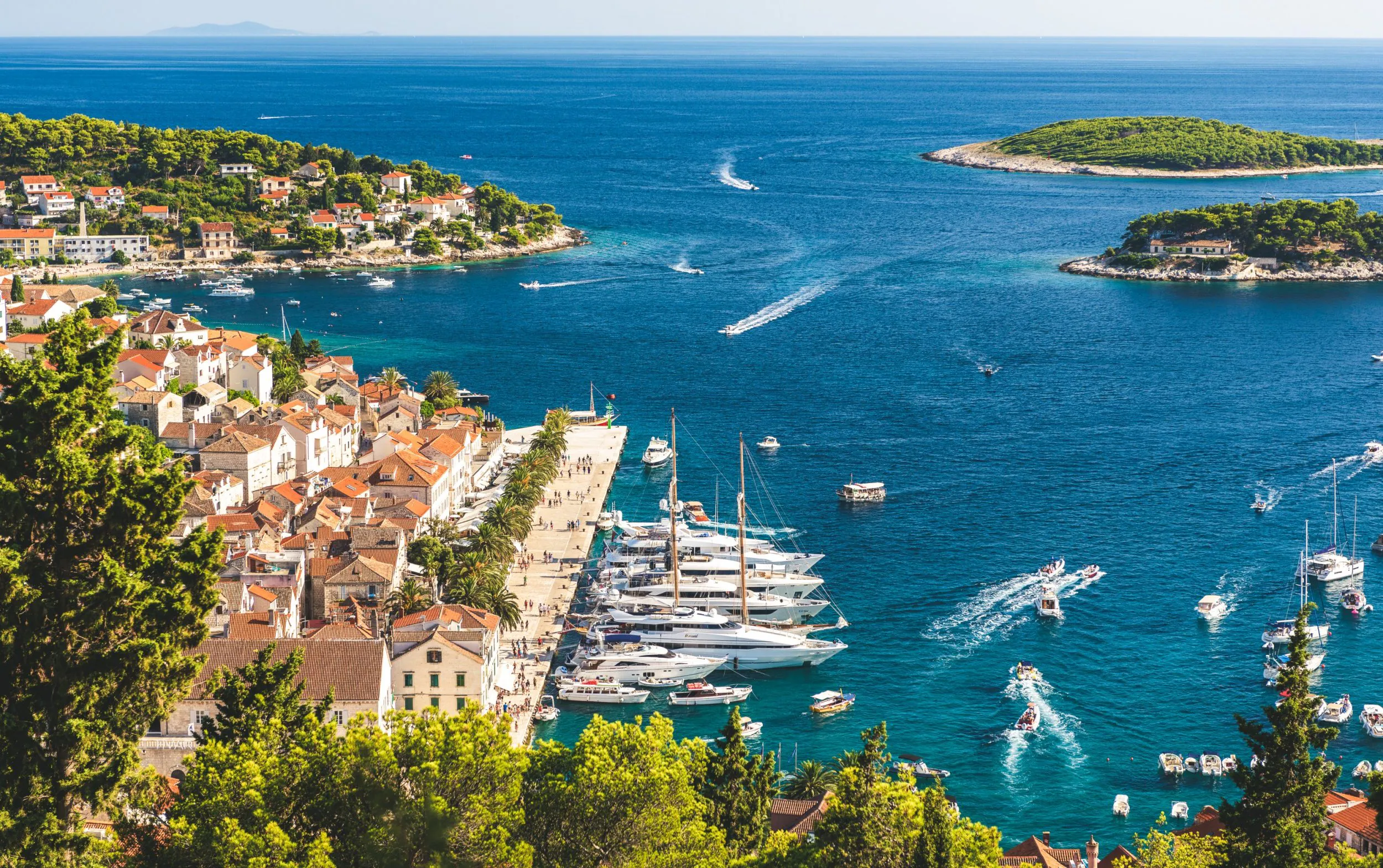
Hvar Island has become a serious contender for Croatia's most beautiful setting. The town of Hvar itself features lavender-covered hillsides, a Venetian fortress overlooking the harbor, and increasingly upscale restaurants and hotels. The island's south-facing beaches at Pakleni Islands deliver Mediterranean perfection, while the nightlife scene rivals Ibiza. Luxury properties like the Adriana Hvar Spa Hotel cater to high-spending travelers, though family-run konobas serve fresh seafood at reasonable prices.
Vis Island, recently reopened to tourism after military use, represents Croatia's final frontier. The island's bohemian character, lack of chain hotels, and dramatic pebble beaches appeal to travelers seeking unspoiled beauty. Stiniva Beach, often cited as Europe's most photogenic, cradles turquoise waters within towering limestone cliffs. Getting there requires a ferry from Split, which filters out casual tourists.
Rovinj, situated on the Istrian Peninsula, blends Italian charm with Croatian hospitality. Pastel-colored houses cascade toward a picturesque harbor, and the Venetian church of St. Euphemia dominates the skyline. Istrian cuisine emphasizes truffles, seafood, and excellent local wines, making the region a gastronomic destination beyond its beaches.
Travel costs remain reasonable by Western European standards. Mid-range hotels run 80-150 euros per night. Restaurant meals cost 10-20 euros for casual dining, 40-80 euros for upscale options. Peak season runs July through August, when crowds swell and prices spike. Shoulder seasons, May-June and September-October, offer the optimal balance of pleasant weather, manageable crowds, and reasonable rates.
Ferry networks connect Croatian islands efficiently. Jadrolinija operates the primary ferry system, linking major destinations. Direct flights arrive at Split Airport and Dubrovnik Airport via budget carriers like Wizz Air and Ryanair from major European cities.
Croatia's coastal appeal transcends postcard views. The blend of history, affordability, and authentic Mediterranean culture positions the country as a smart choice for travelers avoiding overcrowded alternatives without sacrificing beauty or quality.