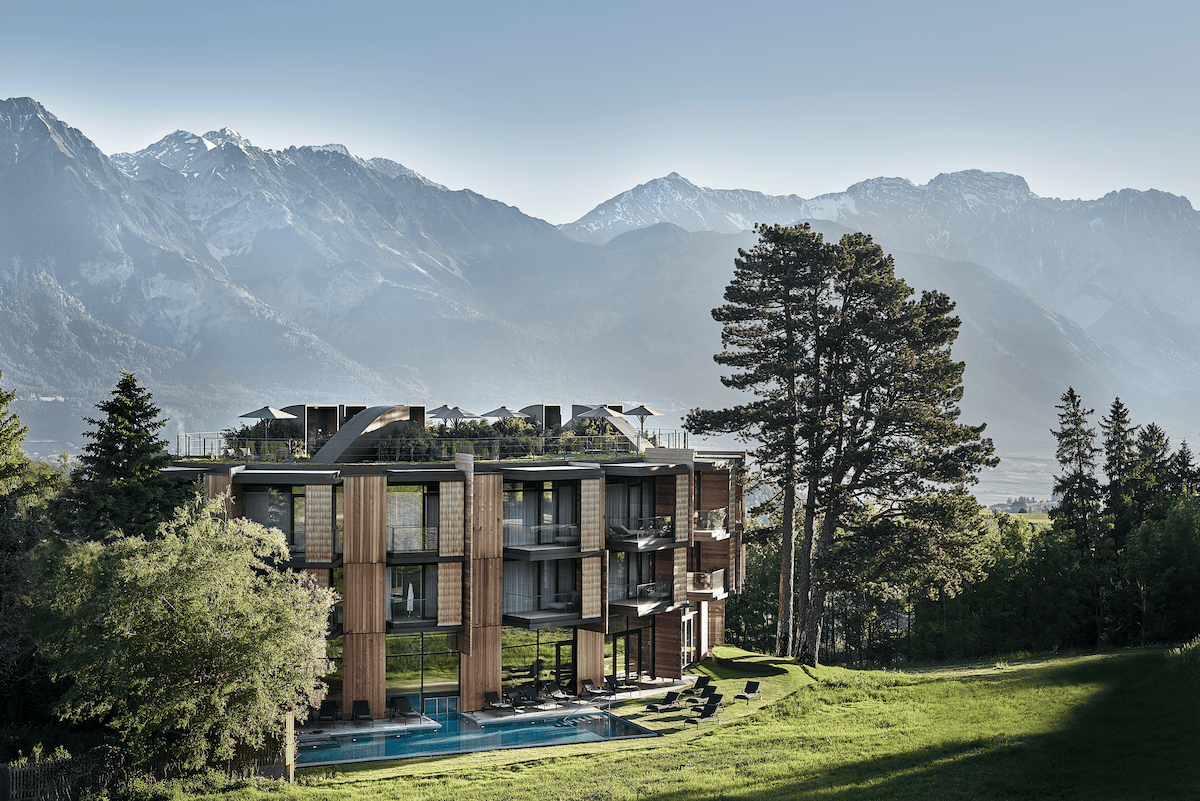
# Lanserhof Pivots From Wellness Trends to Personalized Medical Care
Lanserhof, the European medical resort operator, is betting that restraint beats hype. The luxury wellness brand just committed €95 million to expansion while deliberately distancing itself from the weight loss and longevity crazes that dominate luxury wellness marketing today.
The strategy reverses the industry playbook. Most high-end wellness operators compete on promises: lose 20 pounds in two weeks, unlock biohacking secrets, achieve "biological age reversal." Lanserhof instead emphasizes diagnostic rigor and honest assessment of what guests actually need versus what sells bookings.
This restraint philosophy sits at the heart of Lanserhof's appeal. The resorts employ in-house medical teams, not wellness coaches or Instagram-famous nutritionists. Guests undergo comprehensive health diagnostics on arrival. The resulting treatment plans may involve fasting protocols, intensive fitness regimens, and dietary overhauls, but also commonly include recommendation for minimal intervention, extended rest, or psychiatric counseling rather than expensive biohacking procedures.
The €95 million investment funds aggressive geographic expansion beyond Lanserhof's traditional stronghold in Alpine Europe. The brand currently operates flagship properties in Lans (Austria), Tegernsee (Germany), and Buchberg (Switzerland). These resorts command rates between €5,000 and €15,000 weekly per guest, targeting wealthy Europeans seeking preventive medicine wrapped in luxury hospitality.
The expansion tests whether medical credibility can scale. Wellness tourism has exploded globally, but most competitors chase trends rather than science. Destinations like Costa Rica, Bali, and Oman have capitalized on "wellness retreats," often staffed by enthusiasts rather than physicians. Lanserhof's differentiation depends on maintaining physician-led standards across new properties while resisting pressure to add trendy services that dilute medical integrity.
The brand plans resorts beyond Europe, though specific locations remain undisclosed. Asia represents likely territory, given wealthy demographics in Singapore, Hong Kong, and Tokyo who prioritize healthcare outcomes. Middle Eastern expansion also fits the luxury positioning.
Lanserhof's timing reflects shifting traveler priorities post-pandemic. Initial wellness trends around quick fixes and extreme protocols have fatigued affluent travelers. Repeat guests increasingly seek sustainable health improvements grounded in medical evidence. A 2023 Skift report found 64% of luxury travelers prioritize "evidence-based wellness" over trendy protocols.
The restraint pitch carries financial risk. Guests paying premium rates expect transformative results, not honest assessments that might suggest they need lifestyle maintenance rather than intensive treatment. Some resorts in Lanserhof's price category offer guarantee-backed weight loss programs and longevity biomarkers that promise measurable change. Lanserhof refuses this approach.
The €95 million commitment signals confidence that wealthy clientele will ultimately value medical judgment over marketing promises. Whether new properties maintain founder-era standards as the brand scales globally remains the defining question. Successful execution positions Lanserhof as the anti-trend wellness operator. Failure invites the charge that restraint was simply good marketing until growth demanded compromise.