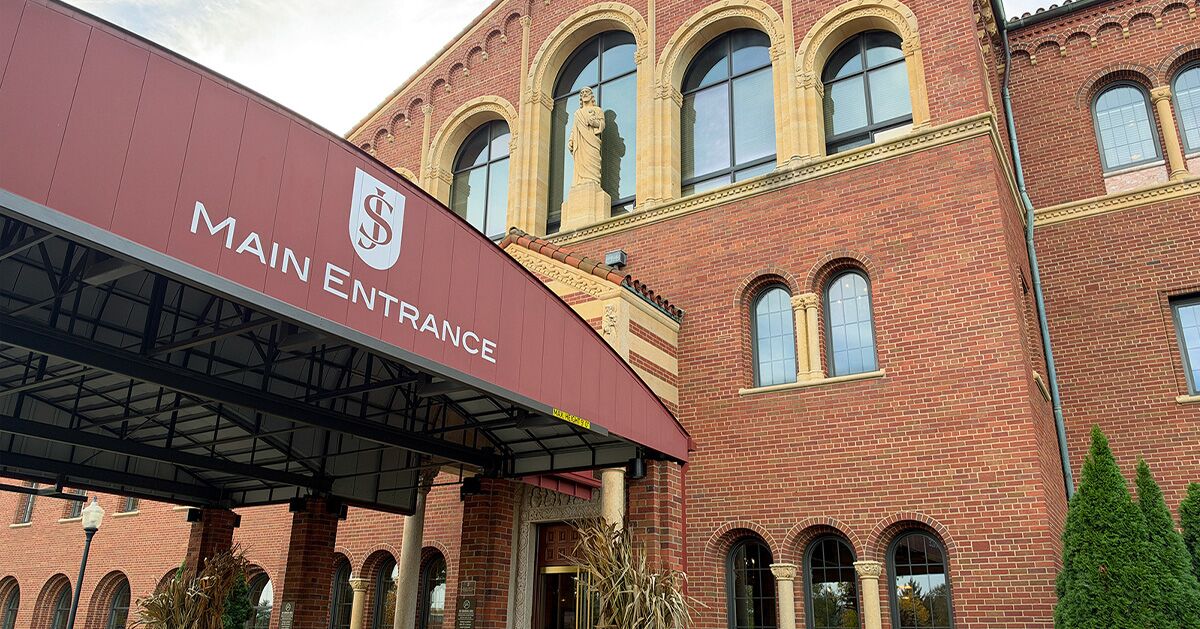
When the Pulte Family Charitable Foundation acquired the former seminary property outside Detroit in 2021, rebranding it as Saint John's Resort, they made a bold statement: a hotel doesn't have to choose between profitability and purpose. By committing 100 percent of the property's net profits to educational and humanitarian causes, the foundation has created something that should inspire the broader hospitality industry. This isn't charity theater—it's a structural commitment woven into the business model itself.
What makes this approach particularly compelling is that it doesn't require guests to sacrifice quality or comfort. The resort offers everything travelers expect from a premier destination: an 18-hole championship golf course called The Cardinal, fine dining at FIVE Steakhouse with offerings like the 40-ounce dry-aged prime porterhouse, and intimate experiences like The Wine Grotto, a former crypt transformed into a wine cellar. Room rates ranging from about $149 to $543 per night as of fall 2026 remain competitive with comparable properties, proving that social responsibility doesn't demand a luxury tax.
The operational commitment extends beyond symbolic gestures. Employees receive 40 hours annually to volunteer at local charities, and staff recently assembled meal packs with jerky, soup, crackers, water, and cookies for St. Leo's Soup Kitchen. Kevin Doyle, chief operating officer of the Pulte Family Charitable Foundation, explained that displaying the World Peace Prayer—created by late homebuilder William Pulte with leaders from various faiths—throughout the hotel's hallways represents a deliberate effort to 'carry on that legacy' and share that message with guests.
The property's diverse venue options, from the 5,200-square-foot Garden Pavilion to The Monarch, which accommodates up to 1,500 guests, mean that every event hosted here generates revenue that ultimately funds charitable work. This model transforms routine business activities—hosting conferences, weddings, and celebrations—into vehicles for community impact.
Saint John's Resort stands as one of three Humanitarian Hotels under the foundation's umbrella, yet it remains relatively unknown even in its own region. The resort's quiet approach to doing good shouldn't be mistaken for modesty about impact. Rather, it demonstrates that when hospitality operators align their financial incentives with social good, exceptional service and meaningful contribution aren't competing priorities—they're complementary outcomes. Other luxury properties would do well to study this model.