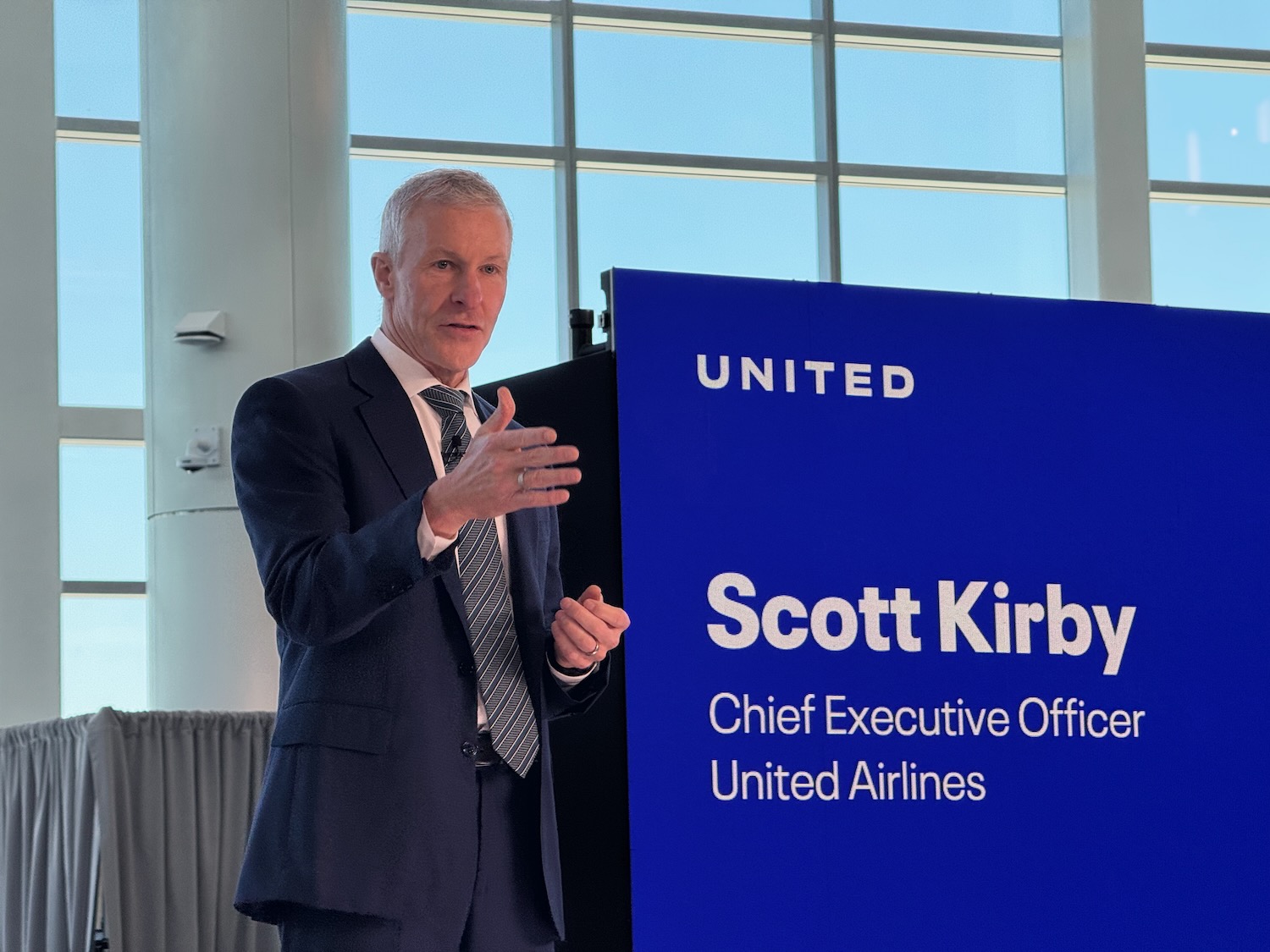
United Airlines CEO Scott Kirby made his case in a recent Cheeky Pint interview with John Collison and Ben Thompson: United is the world's best airline, and technology is the differentiator. He acknowledges that Asian and Middle Eastern carriers excel at the physical product and service, but argues that United's technological advantages—clearer communication during disruptions, AI-powered tools, and better connectivity—outweigh those shortcomings. His example is compelling: when United sent passengers radar maps explaining why distant thunderstorms required flight delays, it achieved a 120-point Net Promoter Score difference compared to standard delay notifications. Kirby's argument deserves consideration, but it reveals a fundamental misunderstanding about what actually makes an airline best.
The problem is that no airline can claim superiority for everyone based on what it provides to a subset of passengers. A traveler in Taipei operates in an entirely different choice environment than someone in Chicago. United's network may be invaluable to one passenger and largely irrelevant to another. Schedule—the primary reason people choose airlines—varies dramatically based on geography and travel patterns. A nonstop flight at a convenient time can be more valuable than any technological flourish accessed through an inconvenient connection. Frequency matters too; several daily flights provide options when disruptions occur. These route-based advantages have nothing to do with champagne quality.
Moreover, technology cannot be separated from the broader passenger experience in the way Kirby suggests. An app that solves problems without a line is service. Clear delay explanations are service. Working internet determines whether a daytime flight is productive or frustrating. US airlines, including United with its genuinely superior app, deserve credit here. But Kirby's framing misses a crucial point: these features matter differently to different passengers. Someone hoping to disconnect and sleep may barely notice Wi-Fi quality. A business traveler might rank connectivity far above seat comfort. A family paying for multiple economy tickets prioritizes affordable nonstop routing over any premium cabin amenity.
What actually makes an airline best is more fundamental than technology alone. A great airline operates reliably and treats passengers well when it fails. These are related but separate expectations. Passengers want to arrive on time. When that is impossible, they want honest explanation and practical assistance. No airline prevents every weather delay or mechanical problem, but preparation, communication, and response matter enormously. This is where consistency matters most—whether an airline reliably delivers for the economy passenger on a regional route or the business traveler crossing oceans.
Kirby is right that technology increasingly matters to the travel experience. United's innovations deserve recognition. But claiming superiority based on technological advantages while acknowledging that competitors outperform United on product and service misses what passengers actually need: reliable routing to their destination, honest communication when things go wrong, and fair treatment regardless of cabin class. Until an airline can claim superiority across all these dimensions, not just among premium passengers with working Wi-Fi, the title 'world's best' remains meaningless.