Doug Parker, former CEO of American Airlines, states that flying is not a commodity business and expects airlines to maintain higher fares even as fuel costs decline. The article challenges this claim, arguing that Parker's own tenure at American undermined product quality precisely when passengers grew willing to pay more for better travel experiences.
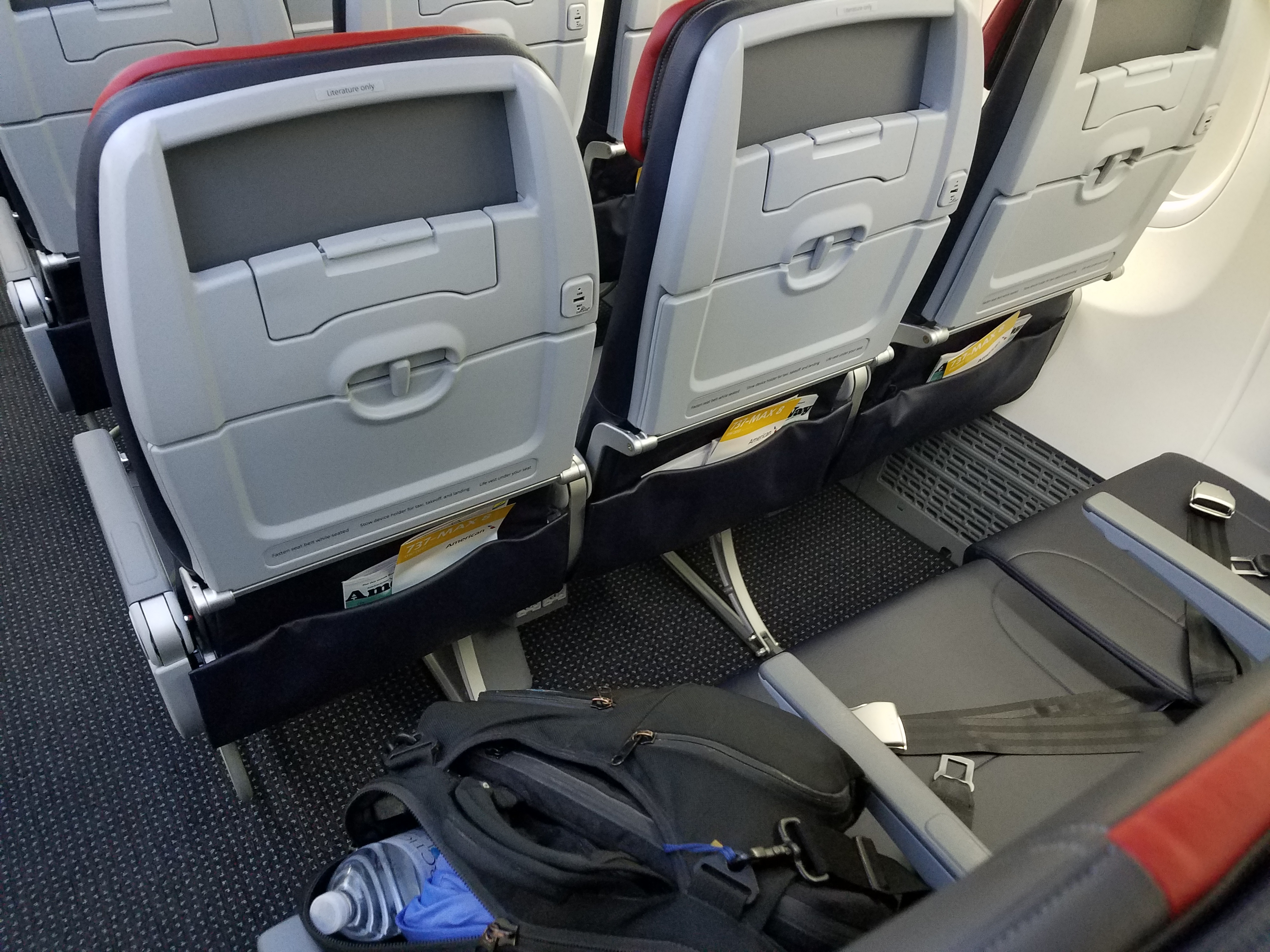
During Parker's leadership, American cut meals in 2014, reduced first class cabin sizes, removed business class seats from aircraft including the Boeing 787-8 (dropping from 28 to 20 seats), squeezed legroom in its 737 MAX configuration, and closed lounges in Buffalo, San Juan, Hartford, and Greensboro. Meanwhile, Delta expanded premium products and branded fares between 2015 and 2019. Delta's December 2015 investor day showed 57 percent of domestic first class passengers had paid something to sit in premium cabins, up from 45 percent in 2014.
The article argues airlines do not simply decide to maintain higher fares. When fuel prices fall, airlines add capacity and discount seats to fill them, subject to competition. If fares could stay high by choice, airlines would have maintained higher prices before fuel spiked.
Parker's September 2017 strategy held that employee culture and service, not product, could differentiate airlines. Yet that approach mirrored competitors' offerings, creating the commoditized experience he now claims flying never was. American is now adding premium seats and improving lounges, reversing years of cost-cutting decisions.