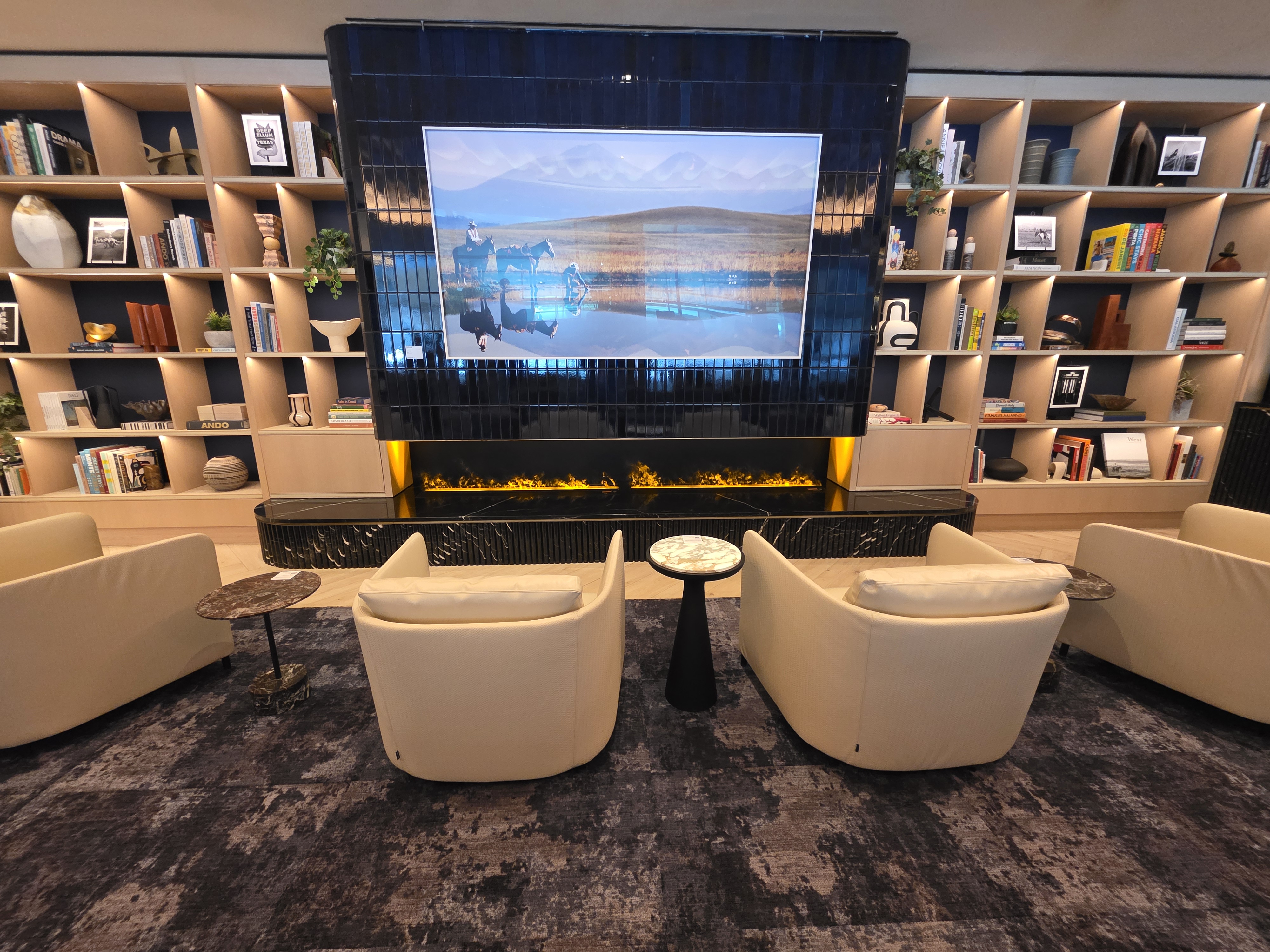
Airport lounges face overcrowding as access expands through premium credit cards and airline memberships, creating a conflict between travelers seeking escape from terminals and those frustrated by long lines and full seating.
Travelers have begun demanding higher barriers to entry, with some calling for $200 admission prices and $5,000 annual credit card fees to limit crowds. The Chase Dallas-Fort Worth lounge spans 18,000 square feet and offers meals and craft cocktails, yet crowds still form. Delta admits American Express Platinum cardmembers alongside Delta Reserve holders, with Platinum's standard allotment at 10 visits and Delta Reserve's at 15, plus spending routes to unlimited access. Capital One Landings at Washington National and LaGuardia use reservation systems to manage flow by showing guests to assigned tables.
The core issue stems from how lounge economics work. Better amenities attract longer visits and more cardholders. When American Airlines began selling lounge memberships in 1967 for $25 annually or $250 for life, paid access emerged as a nondiscriminatory way to control entry, replacing membership handed out by the sales department. Today's improved lounges with actual meals draw people in and keep them there longer, multiplying occupancy even with the same arrival flow.
Some travelers report skipping lounges entirely. Chase and Capital One lounges in Las Vegas, Phoenix, and Denver still draw such long waits that terminal restaurants become more appealing. Banks are selling more access than their lounges can deliver, a problem banks worsened by stopping Priority Pass reimbursement at restaurants without ensuring their own facilities could accommodate the traffic.