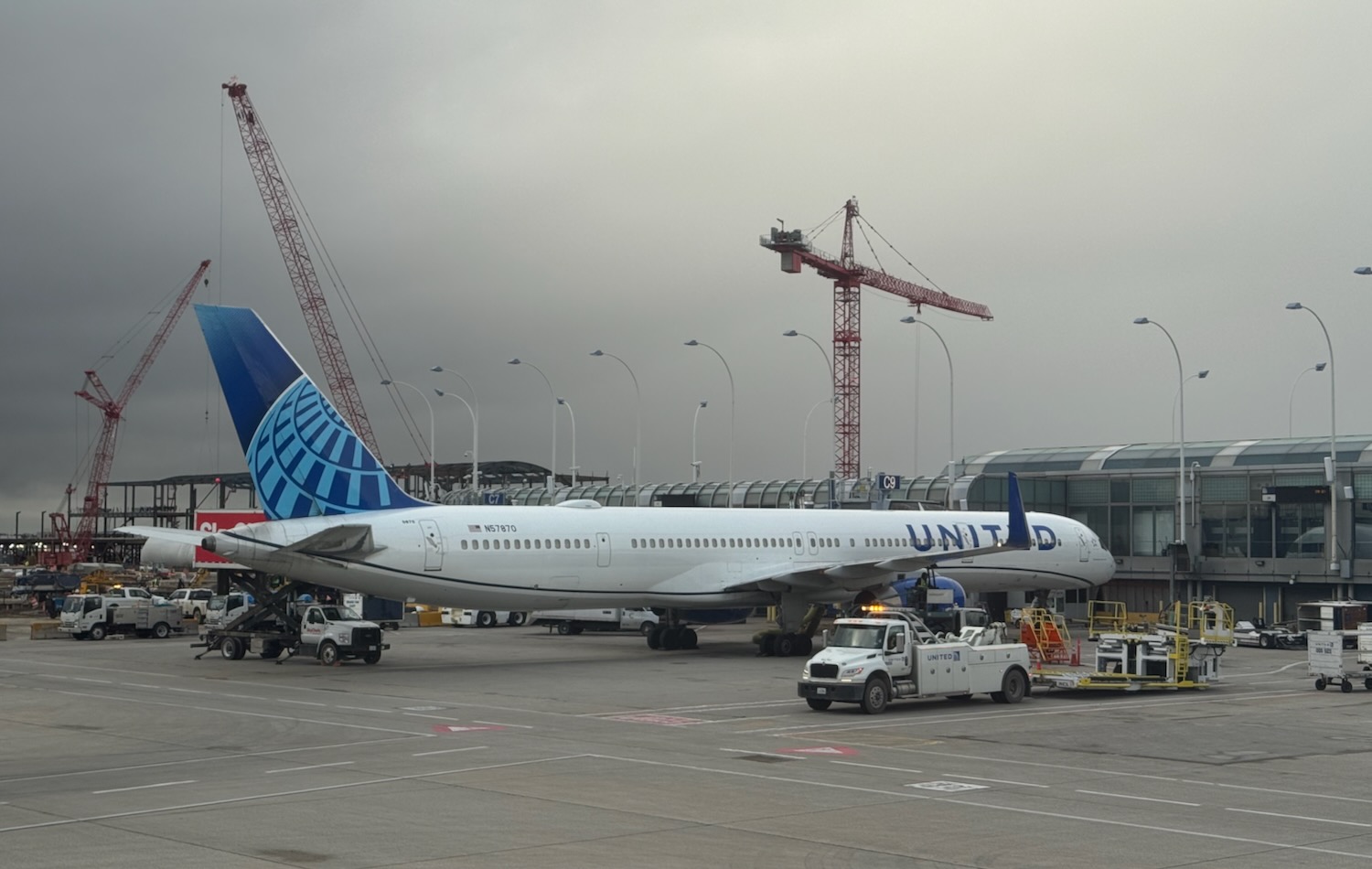
For years, I've actively avoided United's Boeing 757-300s whenever possible. The aircraft—of which United operates just 21 with 234 seats each—felt stuck in time: cramped overhead bins that force standard carry-on luggage to be gate-checked, and an ancient Panasonic Wi-Fi system that often doesn't work. So when United announced its plan to modify these workhorses with larger Boeing Space Bins, Panasonic Audio Video On Demand at every seat, full cabin In-Seat Power Supply System, and critically, Starlink connectivity, my first reaction was relief. United could have simply retired these 757-300s. Instead, it's proving that age is not destiny in commercial aviation.
The scope of this commitment deserves recognition. United had to wait for Boeing Space Bins to become certified for the 757-300 rather than simply installing existing equipment—a certification hurdle that explains the delay in getting this project moving. For a subfleet of just 21 aircraft, undertaking such specialized modifications is a substantial commitment that many carriers would skip entirely. Yet United is proceeding anyway. That decision matters enormously for the passengers who will fly these planes, because as the report notes, if your flight operates on a 757-300, the overhead storage and cabin condition are simply part of your United experience.
Let me be clear about what matters most here: Starlink is the upgrade that changes everything. Seatback screens are wonderful, especially for passengers traveling with children. Larger bins mean less stress during boarding. But reliable, fast Wi-Fi through Starlink separates a tolerable flight from a genuinely comfortable one. Some 757-300s have been upgraded to Viasat, but I've been burned too many times by non-operable Wi-Fi on these aircraft. Starlink finally solves what has been a persistent frustration.
Delta has already demonstrated that a 30-year-old aircraft equipped with mood lighting, fast Wi-Fi, and seatback screens can feel just as comfortable as newer equipment. United is following that playbook with the 757-300 refresh. The cabin updates—new class dividers, cabin headers, refreshed seats and monuments throughout, and new UAL branding—signal that United sees a continuing role for these aircraft for many years. That's a vote of confidence that older planes deserve when airlines actually invest in them properly.
The 757-300 finally has the cabin attention it has long needed. I expected these aircraft would simply be retired, phased out to make room for newer platforms. Instead, United is modernizing them as part of its "United Next" strategy. For passengers, that's good news. For an airline willing to make this investment, these 21 aircraft will remain competitive and serviceable long into the future.