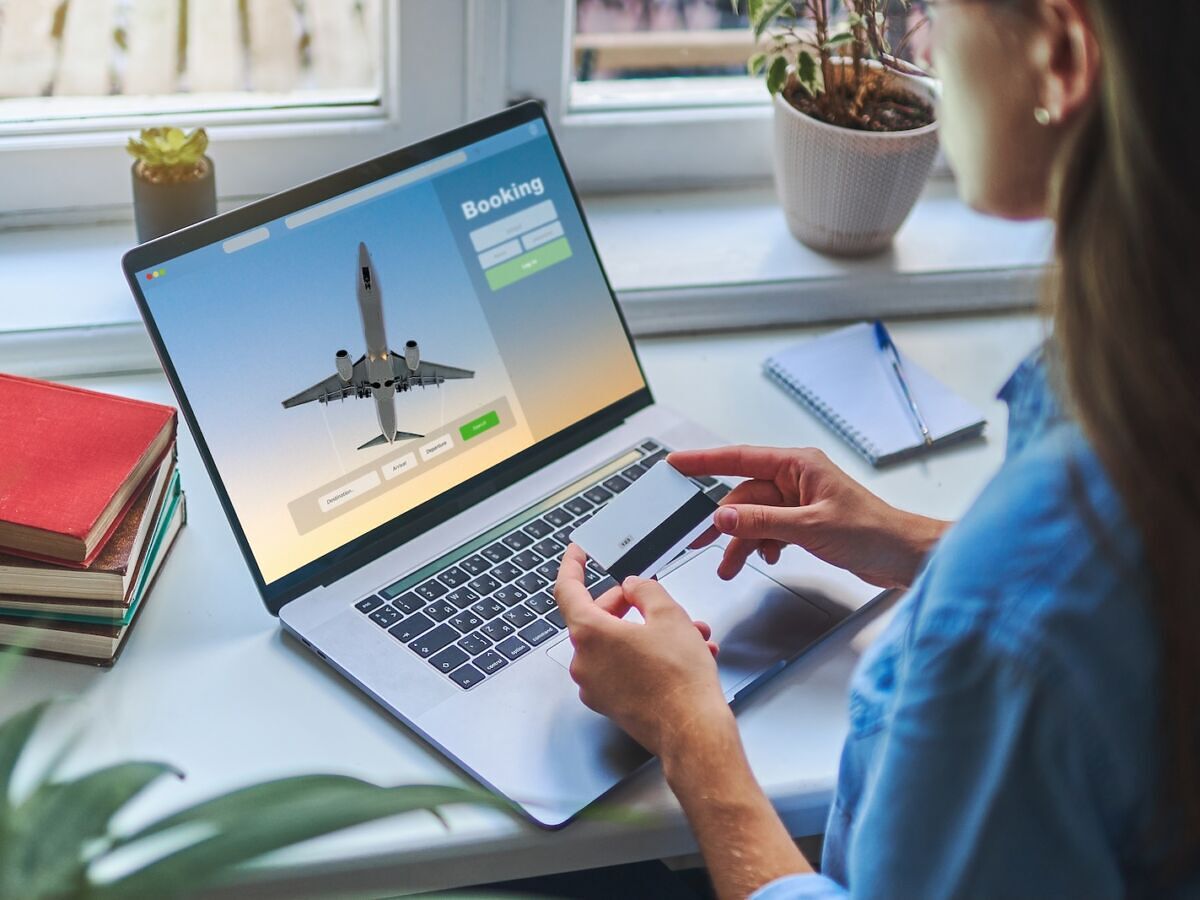
On November 11, United Airlines announced it would restrict unauthorized third-party AI agents from booking flights and managing reservations on behalf of travelers. The airline's stated reasoning sounds reasonable: protecting customers from security risks, unauthorized bookings, and regulatory violations. But dig deeper into United's move, and you'll find a company grappling with something far more fundamental than cybersecurity—the loss of control over how its product reaches customers.
Let's acknowledge the legitimate concerns first. United raises valid points about the risks of giving AI agents access to sensitive information like credit cards and MileagePlus miles. The airline also correctly identifies regulatory issues: AI agents could theoretically click through safety acknowledgments about prohibited luggage items without understanding what's inside a passenger's bag, potentially violating FAA and Department of Transportation regulations. These aren't trivial problems. As the report notes, AI agents aren't infallible, and the less access they have to financial information, the less damage they can do if something goes wrong.
Yet United's restrictions also represent something else: a defensive move to preserve the airline's intermediary position between itself and customers. Aviation analyst Henry Harteveldt told CBS News that United likely wants to avoid introducing "a powerful and theoretically unbiased middleman between the airline and its customers." Think about what AI booking agents could eventually do: compare fares across dozens of airlines, find the cheapest options, and complete purchases without travelers ever visiting an airline website or even choosing their carrier. That's transformative for consumers but threatening to airlines accustomed to controlling their own customer journey.
The contrast with other carriers is telling. Southwest Airlines launched ChatGPT integration in October and plans to expand AI-powered booking capabilities, trusting the technology rather than fighting it. Delta allows third-party agents while noting customers assume the risks. American Airlines permits some AI tools to make purchases. United's approach is the most restrictive, suggesting the decision reflects more than just security anxiety.
Here's what should happen next: United should be transparent about what it's really protecting. If the concern is genuinely regulatory compliance and cybersecurity, the airline should work with AI developers and regulators to establish standards that allow safe, compliant bookings rather than banning the technology outright. If the concern is competitive positioning and maintaining control over the booking experience, United should say so. Consumers deserve to know whether they're being protected from genuine threats or whether they're simply being denied a convenience that could lower their airfare costs.
United hasn't ruled out working with AI booking tools forever, and says it will continue evaluating the technology. That's prudent. But until then, travelers seeking AI-assisted bookings will find their options limited—not because the technology can't be made safe, but because one major airline has decided the cost to its business model is too high to bear.