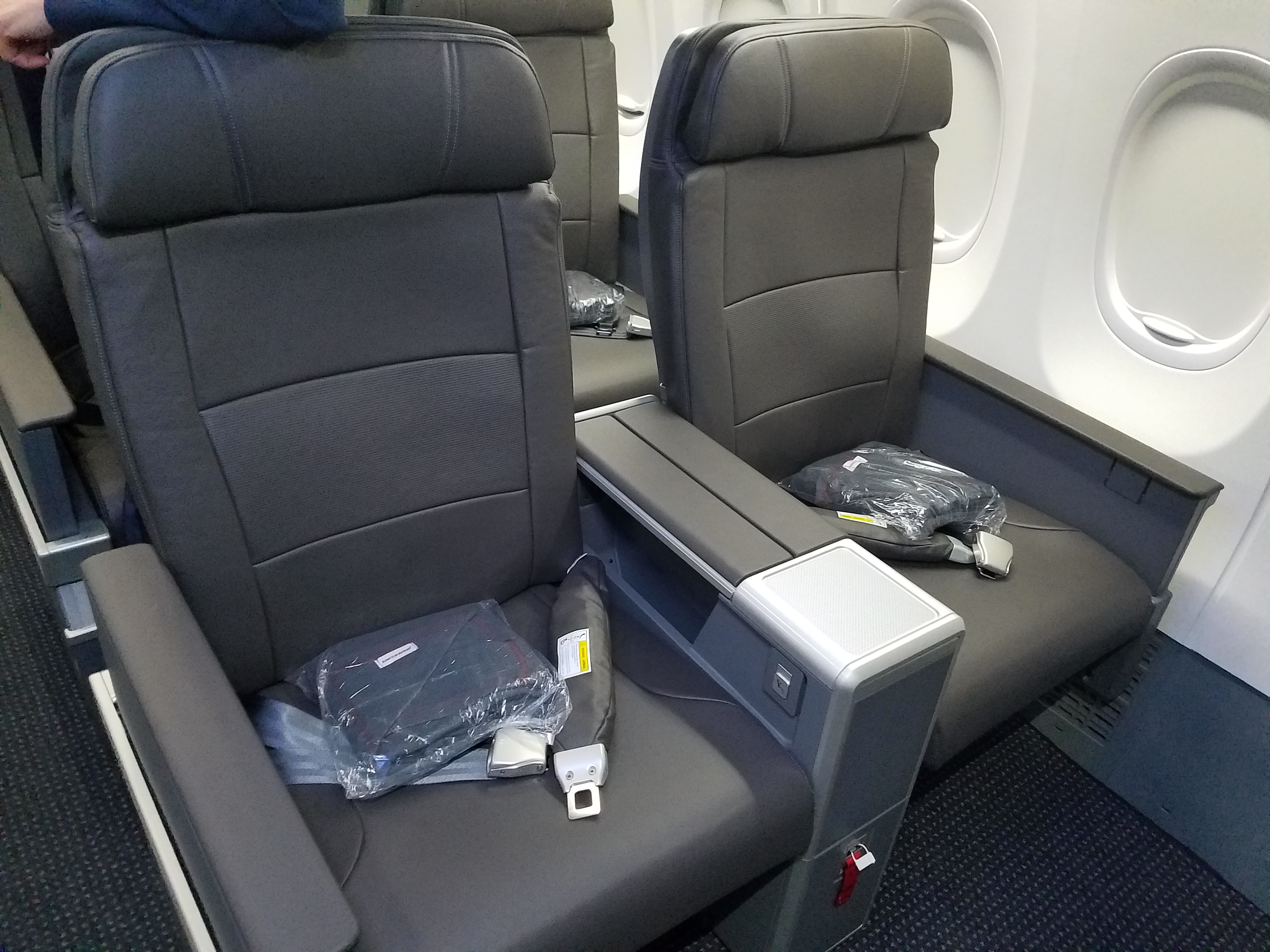
An American Airlines Executive Platinum member complained on Twitter that the airline was selling first class upgrades to coach passengers for $91 on a flight with available premium seats, while ignoring the complimentary upgrade benefits promised to the loyal flyer. American Airlines responded by asking the customer to delete the post.
The AAdvantage program offers Executive Platinum members complimentary upgrades starting 100 hours before departure, but only from seats the airline designates for free upgrades. American was instead selling those available first class seats to infrequent flyers for $91 rather than offering them to a customer who may generate $20,000 to $50,000 annually in ticket sales or equivalent value through credit card spending.
American Airlines CEO Robert Isom explained to investors earlier this year that the airline treats upgrade sales the same as other revenue opportunities like checked baggage and bag pre-purchase. The strategy reflects a broader shift across major carriers. Twenty years ago, 90 percent of first class seats went to upgrades and awards. Ten years ago it was about half. Delta now reserves only around 12 percent of seats for SkyMiles elite members.
Delta sells upgrades for as little as $26, and United pioneered the practice of pitching paid upgrades to infrequent flyers ahead of loyal customers. Frontier Airlines, introducing first class, will only offer complimentary upgrades to Diamond members if they purchase an upgraded fare bundle.
The disconnect between promised benefits and actual delivery removes upgrades as a motivator for pursuing top-tier status. Mid-tier status now offers better value, with priority check-in, priority boarding, free checked bags, and extra legroom seats. For many flyers, chasing executive-level status no longer makes financial sense.