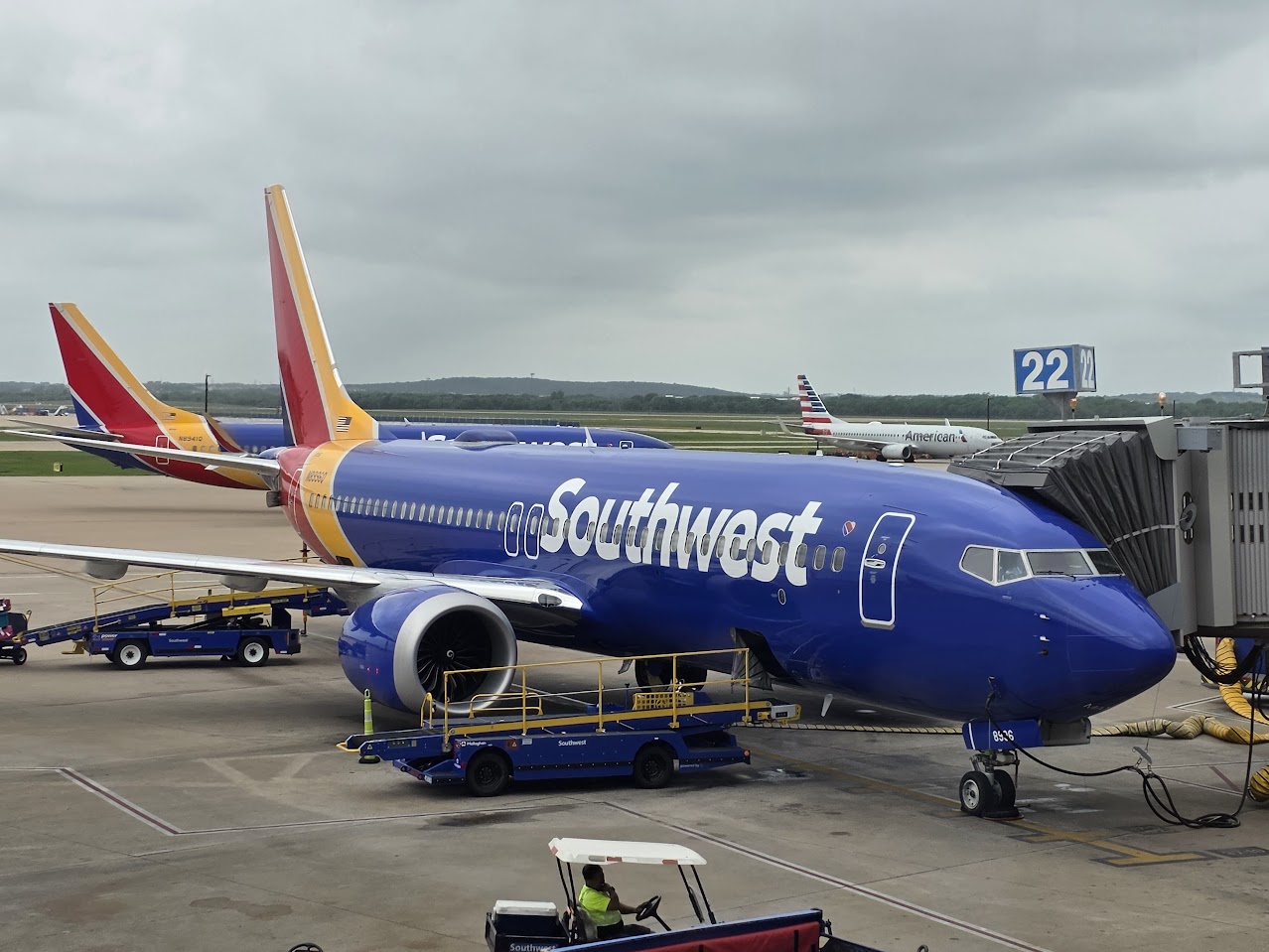
Southwest Airlines plans to adopt an 11-month rolling booking calendar, replacing its current batch-release system where flights open periodically and then gradually become unavailable. The airline currently accepts reservations through September 29, 2027, with the next batch extension scheduled for December 17, when it will open flights through November 6, 2027—324 days into the future.
The shift addresses a core limitation of Southwest's existing approach. With batch releases, the available booking window shrinks daily until the next extension. A rolling calendar would maintain a consistent planning horizon regardless of when customers search, eliminating the need to track Southwest's release announcements.
Southwest expanded its booking window to exceed 300 days in April 2024, selling travel through March 5, 2025. The airline cited vacation planning, meetings, groups, Hawaii, and international destinations as reasons for the longer window. Historically, Southwest had operated within a 180 to 250-day range.
Technology enables this change. Southwest completed its migration to Amadeus Altéa in May 2017, enabling automated rebooking during disruptions and more sophisticated inventory management. Previously, the airline's systems required manual rebooking for every canceled flight.
International partnerships drive the commercial case. Southwest now lists 12 international airline partners, including Icelandair, EVA Air, Singapore Airlines, Turkish Airlines, and French bee. Foreign carriers can sell complete itineraries only if Southwest has opened its connecting flights. If Southwest hasn't released dates yet, partners may sell connections on competing U.S. airlines instead. An 11-month window narrows this gap, though EVA Air sells flights up to 360 days ahead, leaving some early bookings still out of reach.
For travelers, booking further ahead creates risks. Schedule changes become more likely. A departure can shift, a nonstop can become a connection, and seat selections tied to changed flights require adjustment. Additionally, Basic fare cash tickets expire six months after purchase. Buying 11 months ahead means canceling more than three months after that expiration could forfeit the reservation credit entirely.