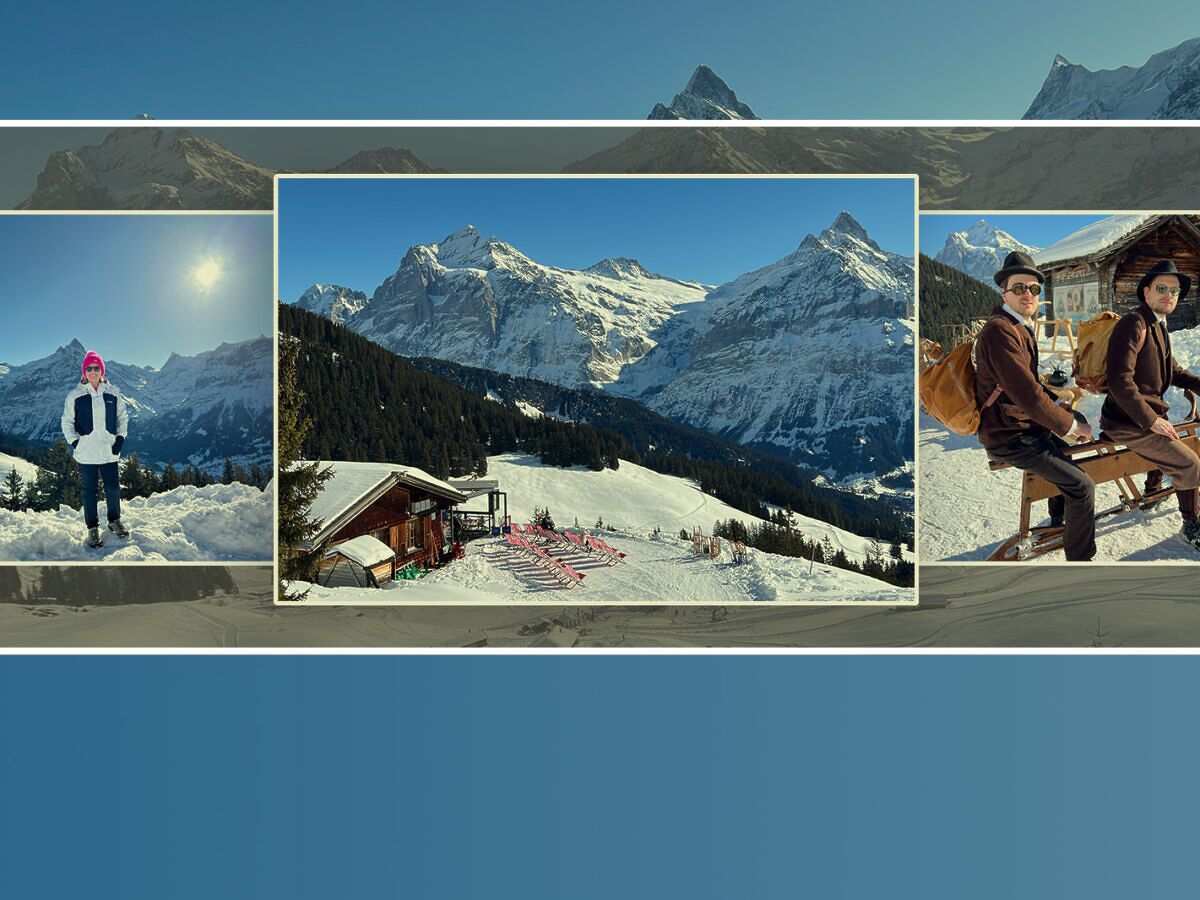
In February, the Velogemel World Championship takes place each year in Grindelwald, Switzerland, drawing competitors to race wooden, brakeless bikes with sled-like runners down snowy slopes. The event, held since 1996, celebrates a 115-year-old Alpine tradition rooted in a practical invention. Christian Bühlmann, a master woodcarver from Grindelwald, created the velogemel in 1911 to navigate snowed-in streets despite disabilities caused by polio. Mail carriers and doctors soon adopted it for transport before street plowing became common.
The race course manager Ernst Kaufmann notes that velogemel riding "has developed from a practical means of transport into a recreational activity and a competitive sport." The event is open to anyone age six and older and draws nearly 130 competitors annually to Bussalp, a mountainside sledding area overlooking the village. Participants push their velogemels up a 1.2-mile slope that feeds into the Big Pintenfritz sledge trail, the longest sledging trail of its kind in the world at roughly nine miles.
Velogemels remain handcrafted in Grindelwald using ash wood for frames and maple wood for handlebars and seats, with metal runners. The Jungfrau Ski Region allows velogemels on its 31 miles of sledging trails. Rentals are available at sports stores on the mountain, at the Grindelwald railway station, and in village shops including INTERSPORT. Joëlle Bleuer, a 2026 champion, rides velogemels regularly with family and friends on weekends as a recreational hobby and alternative to traditional sleds. Bleuer has been riding since age nine.
Brothers Michael Hofmann and Daniel Hofmann competed on a tandem velogemel during the championship, believed to be the only double velogemel remaining in the world. They borrowed both historic clothing from the early 1900s and the velogemel itself from the Grindelwald Museum, where the original machine is displayed. Michael Hofmann explained their approach: "Why keep it in the museum when people can see it in action?"