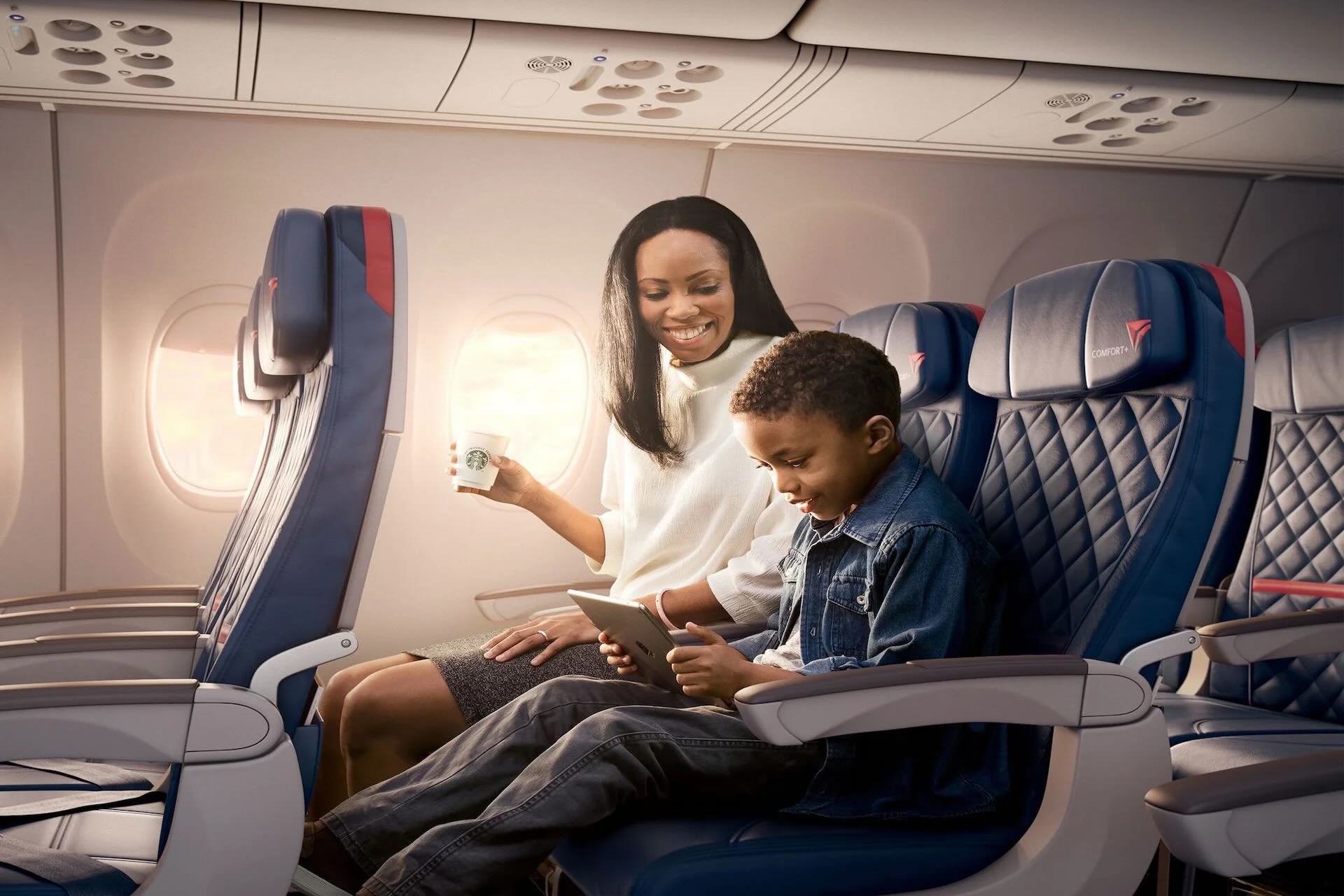
A mother traveling from Orlando to Atlanta with her husband, their 2½-year-old daughter, and their one-year-old son found herself in an impossible situation. She had purchased Comfort+ seats and originally booked seats 15D, 15E, and 15F together. After schedule changes, the family ended up in seats 15F, 15A, and 16A—separated. When she sought help at the gate, the Delta agent's solution was blunt: ask other passengers to switch seats. This is not customer service. This is an abdication of responsibility.
Let's be clear about what happened here. This was not a family trying to squeeze extra perks from a basic economy purchase. They paid for Comfort+. They booked seats together months in advance. The airline created the problem through schedule changes, then dumped the burden of solving it back onto a parent boarding with two young children. Delta's published policy states the airline 'strives to seat family members together upon request,' but striving and succeeding are not the same thing—and neither involves asking passengers to negotiate seat swaps in the aisle.
The core issue is straightforward: a two-year-old cannot sit alone on an aircraft. She needs an adult to fasten her seatbelt, manage her meals, respond to her needs, and ensure her safety. This is not a preference. This is a requirement. The stranger randomly assigned to the adjacent seat cannot reasonably become responsible for another person's child. Once a gate agent discovers that a toddler has been separated from every adult in the traveling party, that agent must take ownership of finding a solution—not the parent.
I understand the competing tension here. Other passengers chose their seats too, and they deserve respect for those choices. But there is a meaningful difference between asking an airline to rearrange a cabin so everyone sits together and asking an airline to ensure a young child sits beside a parent. An agent reviewing the seat map can identify possible swaps, recruit volunteers, or offer incentives. The airline can explore different cabin options or address any fare differences. These are professional solutions managed by someone with authority and access to information.
The lesson here extends beyond this one family and this one Delta flight. If you book months in advance, monitor your reservation after any schedule change. Take screenshots of your original seat assignments. Contact the airline promptly if a young child becomes separated from a parent—contact reservations first, arrive early to speak with an airport agent, and do not agree to negotiate onboard. This should never reach the boarding aisle.
Delta's family seating policy promises more than what this passenger received. The airline failed to deliver on that promise, and no parent should board an aircraft expecting to manage seat reassignments while holding a toddler. This situation was entirely preventable, and Delta should have prevented it.