# airBaltic's Bankruptcy Filing Tests Ambitious European Expansion Strategy
airBaltic has filed for Chapter 11 bankruptcy protection in the United States, marking another significant stumble for a European carrier navigating post-pandemic financial turbulence. The Latvian airline confirmed that all flights will operate normally during its restructuring process, even as the carrier confronts a deeply troubled balance sheet.
This Chapter 11 filing in New York represents a preemptive move by airBaltic to reorganize its debt and operations while remaining in control of its destiny, rather than waiting for creditors to force liquidation. The airline operates primarily from its Riga base, offering routes across Central Europe, the Baltic region, and select destinations in Western Europe and beyond.
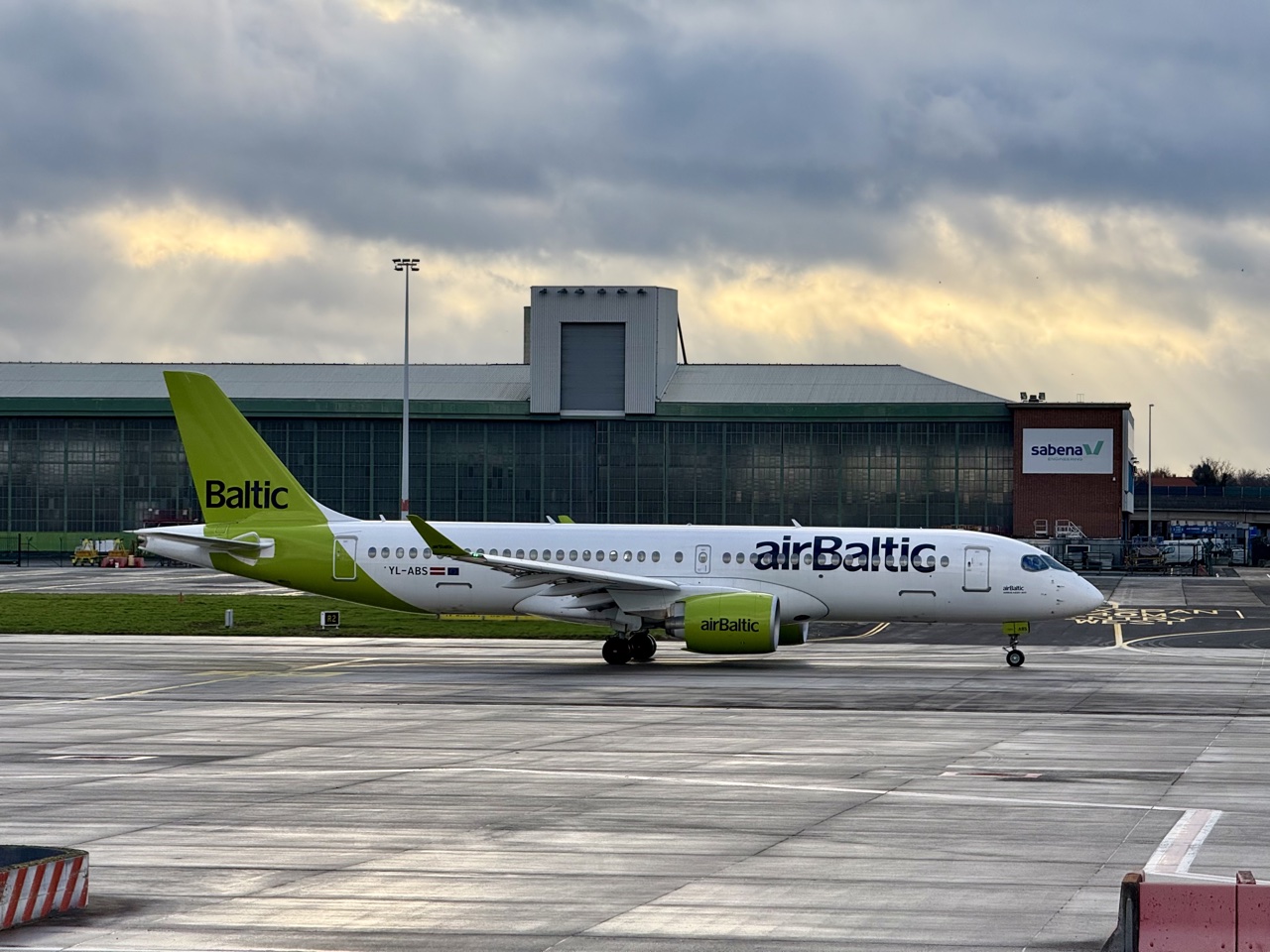
The bankruptcy filing places airBaltic's aggressive fleet modernization strategy under intense scrutiny. The carrier has committed to purchasing multiple Bombardier CS300 aircraft, rebranded as the Airbus A220, as part of its long-term growth plan. This narrow-body jet represents one of the newest entrants to the competitive short-to-medium-range market, offering fuel efficiency and lower operating costs than legacy aircraft like the Boeing 737 or Airbus A320. However, securing financing for new aircraft becomes exponentially harder once a carrier enters bankruptcy protection.
airBaltic has struggled with several headwinds common to small European carriers. The airline faced pandemic-induced demand destruction, labor cost pressures, and increased competition from both larger network carriers and low-cost competitors like Ryanair and Wizz Air. Baltic routes typically generate thinner margins than busier Western European corridors, and the carrier's relatively small scale limits its negotiating power with suppliers and lessors.
The airline's balance sheet deteriorated significantly, forcing management to pursue restructuring. Creditors and lessors holding airBaltic debt now face write-downs or extended repayment timelines as part of any reorganization plan. The Chapter 11 process allows airBaltic to propose a restructuring plan that may include debt reduction, lease modifications, and operational adjustments, subject to bankruptcy court approval.
For passengers, the immediate impact remains limited. airBaltic assured customers that all booked flights will operate as scheduled, and frequent flyer programs will continue functioning. However, bankruptcy does introduce subtle risks. If the airline's restructuring fails and liquidation becomes necessary, passengers holding future tickets could lose their money unless they hold tickets from a creditor that survives the process. Travel insurance becomes more valuable when booking with carriers in financial distress.
The A220 strategy now faces genuine uncertainty. If airBaltic cannot secure fresh capital or renegotiate aircraft purchase commitments during restructuring, the airline may reduce planned orders or delay deliveries. Losing the A220 advantage would force airBaltic to continue operating older, less efficient aircraft, further pressuring its cost structure and competitiveness.
This bankruptcy follows a pattern of European carriers entering U.S. bankruptcy courts, including multiple low-cost operators struggling with debt loads and operational challenges. airBaltic's filing underscores how even carriers with reasonable strategic positioning can collapse without sufficient balance sheet cushion or access to fresh financing.
The restructuring process typically spans 12 to 24 months, assuming no major complications or creditor objections. During this time, airBaltic must convince the bankruptcy court and its creditors that its business model can generate profits once debts are reduced. Success depends on recovering demand for Baltic travel, controlling costs, and executing its operational strategy without the financial flexibility most airlines require.