# AirBaltic's Chapter 11 Filing Signals Turbulence in Europe's Low-Cost Carrier Market
Latvia's flagship carrier AirBaltic has filed for Chapter 11 bankruptcy protection in the United States, marking a watershed moment for the Baltic region's aviation sector. The airline continues normal operations despite the filing, meaning passengers traveling on AirBaltic routes face no immediate disruption to their bookings or flights.
Chapter 11 protection allows companies to restructure debt while continuing business. For AirBaltic, this shields the airline from creditors while management negotiates payment terms with aircraft lessors, suppliers, and other stakeholders. The filing represents a critical inflection point for a carrier that once positioned itself as a bridge between Scandinavia and Eastern Europe.
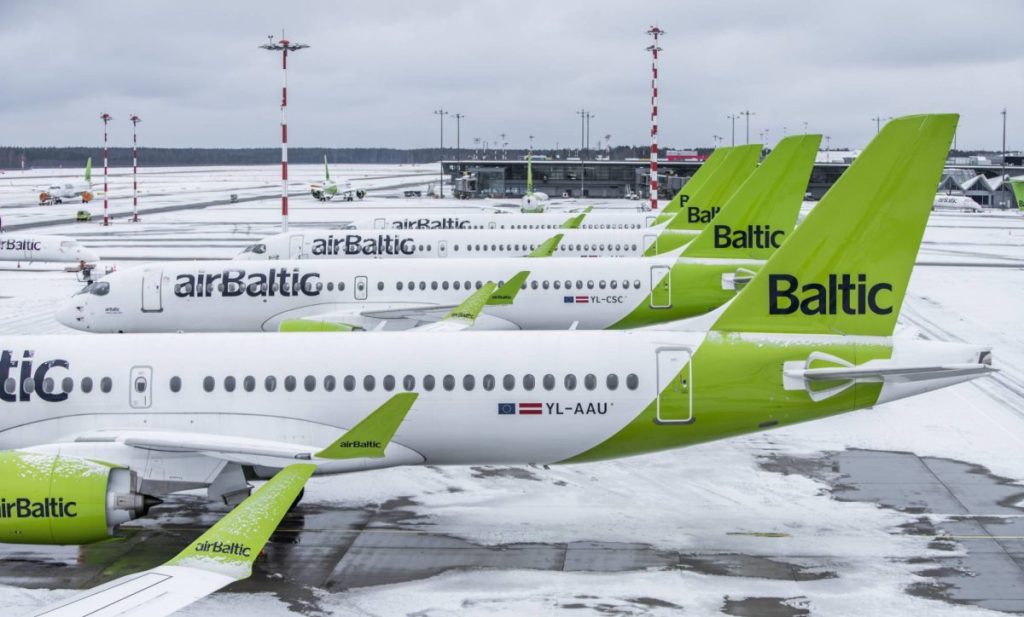
AirBaltic operated a route network connecting Riga to major European hubs including Stockholm, Copenhagen, Berlin, London, and Warsaw. The airline also served secondary markets with competitive pricing that undercut traditional carriers. Its fleet primarily consisted of Bombardier CS300 aircraft, which offered operational efficiency but saddled the airline with significant leasing obligations during periods of weak demand.
The bankruptcy filing follows years of margin compression across Europe's low-cost carrier segment. Airlines like Ryanair, easyJet, and Wizz Air faced mounting labor costs, fuel price volatility, and airport congestion charges that eroded unit revenue growth. AirBaltic operated in a tougher competitive position than larger peers, competing on thinner margins while maintaining smaller aircraft capacity.
Financial pressures mounted during the post-pandemic recovery. While leisure travel rebounded strongly, business travel remained depressed, impacting load factors and yield across European networks. AirBaltic's focus on connecting traffic through Riga made it vulnerable to seasonal demand swings and network disruptions that larger hub carriers could absorb more easily.
The filing carries major consequences for aircraft lessors who own or finance AirBaltic's fleet. Lessors including Airbus Capital Solutions and other finance houses hold significant positions in commercial aircraft leases tied to the airline. Chapter 11 allows AirBaltic to renegotiate lease terms, potentially extending payment periods or reducing monthly rent payments. This creates losses for lessors expecting full contractual payments.
Employees face uncertain futures. AirBaltic operated bases in Riga, Stockholm, Copenhagen, and Berlin with approximately 1,500 staff. Chapter 11 protections give management flexibility to reduce workforce and close unprofitable operations. European labor protections typically require notice periods, but restructuring often accelerates consolidation.
Passengers holding advance bookings retain legal protection under EU261 regulations, which mandate compensation for flight cancellations and delays caused by airline mismanagement. However, proving causation in bankruptcy cases creates legal complexity. Travelers with upcoming AirBaltic flights should monitor airline communications and verify flight status before travel dates.
The filing reflects broader market dynamics. European carriers face structural headwinds from overcapacity, labor agreements that prevent rapid cost adjustment, and regulatory frameworks that mandate network service obligations. Consolidation through bankruptcies remains likely across the region as weaker competitors exit the market.
AirBaltic management will present a restructuring plan to US bankruptcy courts. The plan must detail operational improvements, cost reductions, and network optimization. Creditors and lessors will vote on acceptance, with rejection potentially forcing liquidation. The airline's viability depends on renegotiating aircraft lease terms to sustainable levels and refocusing operations on profitable routes.