Spain's interior regions of Extremadura and Castile and León, known locally as "Empty Spain," offer travelers an alternative to crowded coastal destinations. These adjoining regions appear as voids when viewed from satellites and the International Space Station, with far fewer residents than Spain's lit-up coastal cities and Madrid's central cluster.
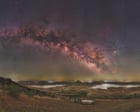
The sparsely populated landscape comes with tangible travel benefits. Visitors find unpolluted night skies suitable for stargazing, lower prices than tourist hotspots, and access to vulnerable wildlife populations including lynx and wolves. The regions receive significantly fewer visitors compared to Barcelona and other major tourist nodes on Spain's coast.
The depopulation of Castile and León and Extremadura reflects broader demographic trends in rural Spain, as residents have increasingly moved toward cities and coastal areas. This exodus, however, has created conditions for wildlife recovery in these less-disturbed regions.
The Guardian's reporting identifies these interior regions as destinations where travelers can experience solitude and natural landscapes largely absent from Spain's established tourist circuit. The contrast between coastal development and interior emptiness shapes both the practical experience and ecology of the interior regions.