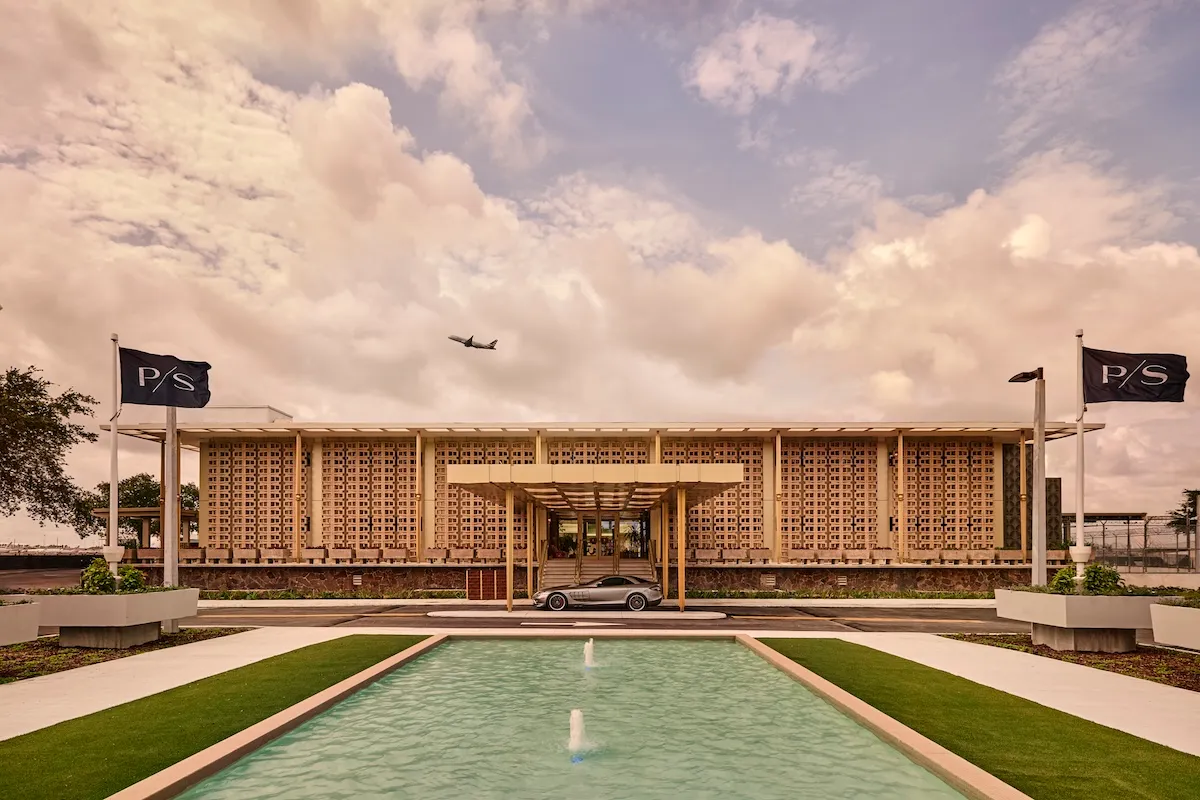
# Premium Terminal Operator PS Masters the Art of Selective Monetization in High-End Travel
PS, the operator behind one of aviation's most coveted private terminal experiences, has cracked a code that eludes most luxury travel businesses. The company built a defensible premium model not through aggressive upselling or relentless optimization of every touchpoint, but through something counterintuitive: restraint.
The company's private terminal operates within a compressed 90-minute window per traveler. That narrow timeframe became the foundation for a business that now commands fierce loyalty among ultra-high-net-worth passengers and sets a template for how luxury hospitality operators should think about their most valuable guests.
Nearly a decade of regulatory groundwork preceded PS's current market position. The company invested years navigating complex aviation regulations, securing zoning approvals, and building infrastructure before ever accepting a paying customer. This patient capital approach created switching costs and operational moats that competitors cannot easily replicate. When a private terminal works seamlessly, passengers notice. When it doesn't, they remember instantly.
The restraint strategy operates on a specific principle. PS protects guest attention rather than monetizing every available second. The company resists the temptation to bombard passengers with upsells, ancillary services, or premium add-ons during those 90 minutes. Instead, the experience prioritizes seamlessness, speed, and genuine hospitality.
This philosophy challenges conventional luxury hospitality wisdom. Hotels, airport lounges, and membership clubs typically view concentrated guest time as a monetization opportunity. The standard playbook calls for premium dining upgrades, spa bookings, retail partnerships, and branded experiences. Each interaction becomes a revenue lever.
PS inverts this approach. By protecting the guest's attention and time, the company actually strengthens the core value proposition. Passengers remember the absence of friction more vividly than they remember the availability of premium add-ons. A traveler who arrives at a private terminal and experiences a 90-minute process free from sales pressure views the operator differently than one who navigates constant upsell attempts.
The business model's defensibility stems from this positioning. Wealthy travelers value their time above almost everything else. When an operator demonstrates that it understands and respects this priority, switching costs rise dramatically. Passengers develop loyalty not because of peripheral services but because the core experience works flawlessly.
Hotels and premium lounges pursuing similar clientele should absorb this lesson. The Ritz-Carlton, Four Seasons, and comparable luxury brands already understood selective restraint at the highest end, but airport lounges and travel clubs often miss it. Priority Pass lounges and similar offerings frequently mistake high-end customer segments for mass-market opportunity, leading to overcrowded facilities and diminished experiences.
PS's approach suggests that the power of restraint in premium travel creates genuine competitive advantage. By resisting the urge to maximize revenue per interaction, operators strengthen customer lifetime value and build businesses that prove harder to disrupt.
The regulatory groundwork also matters. Seven or eight years spent building approvals and infrastructure created operational advantages that capital alone cannot buy. Other terminal operators face permanent disadvantages in securing comparable locations and regulatory status.
For travelers planning luxury airport experiences, PS's model indicates where premium service actually lives. It exists not in the breadth of available services but in the depth of execution and respect for customer time. That principle reshapes how elite travelers evaluate terminal operators, lounges, and hospitality experiences across the entire premium travel ecosystem.