Oxford Economics' 2026 Global Cities Index ranks New York, London and Paris at the top, but identifies 28 emerging urban hotspots poised for growing influence. Five cities showcase distinct trajectories and appeal for travellers.
Toulouse, France's fastest-growing city, will add 57,000 residents over the next four years. The mild climate and affordable cost of living attract younger professionals. Recent returnees note the city has become more walkable and bike-friendly, with expanded food and wine scenes. Beyond the historic centre, neighbourhoods like Ponts-Jumeaux host festivals and open-air bars. Aerospace heritage shapes the visitor experience through sites like Airbus's global headquarters, the Cité de l'Espace discovery centre, and Aeroscopia aviation museum. La Halle de La Machine features art installations with giant mechanical creatures.
Ho Chi Minh City ranks among the world's 50 fastest-growing cities over the next five years, with an economy Oxford Economics predicts could rival Berlin's by 2050. More than eight million international visitors arrived last year. The first metro line opened at the end of 2024, running 20km from Ben Thanh Market to Suoi Tien theme park with fares under £1. The city balances heritage, including the French-colonial Central Post Office and War Remnants Museum, with thriving food culture. Travellers can explore quieter residential neighbourhoods in Districts beyond the central District 1, the historic Chinatown neighbourhood Chợ Lớn, and Thảo Điền across the river for independent boutiques and Vietnamese brands.
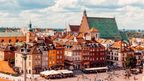
Warsaw jumped more than 100 places to 61st in the index, with a quality-of-life score now surpassing London, New York and Tokyo. Its economy projects to expand around 3% annually, nearly double the European city average. Safety and street-level improvements mark the transformation. A suggested walk connects the Soviet-era Palace of Culture and Science through Nowy Świat boulevard into the painstakingly rebuilt Old Town. Traditional milk bars serve three-course meals with drinks for around £13.
Medellín's employment in business and financial services more than doubled over 20 years. Oxford Economics predicts average income will overtake Buenos Aires and São Paulo by the 2040s. The Metrocable urban cable car system carries commuters and visitors up hillsides. Creative districts including Perpetuo Socorro offer design shops, galleries and speciality coffee. Comuna 13, once one of the city's most dangerous areas, now attracts major crowds for murals and street art. Local guides provide context beyond Instagram appeal.
Abu Dhabi ranks sixth in the index for workforce skills and education, ahead of Paris and Boston. The UAE capital has transformed from oil dependency through investment in technology, renewable energy, property and finance. Non-oil economy and job market growth projections exceed neighbouring Dubai's.