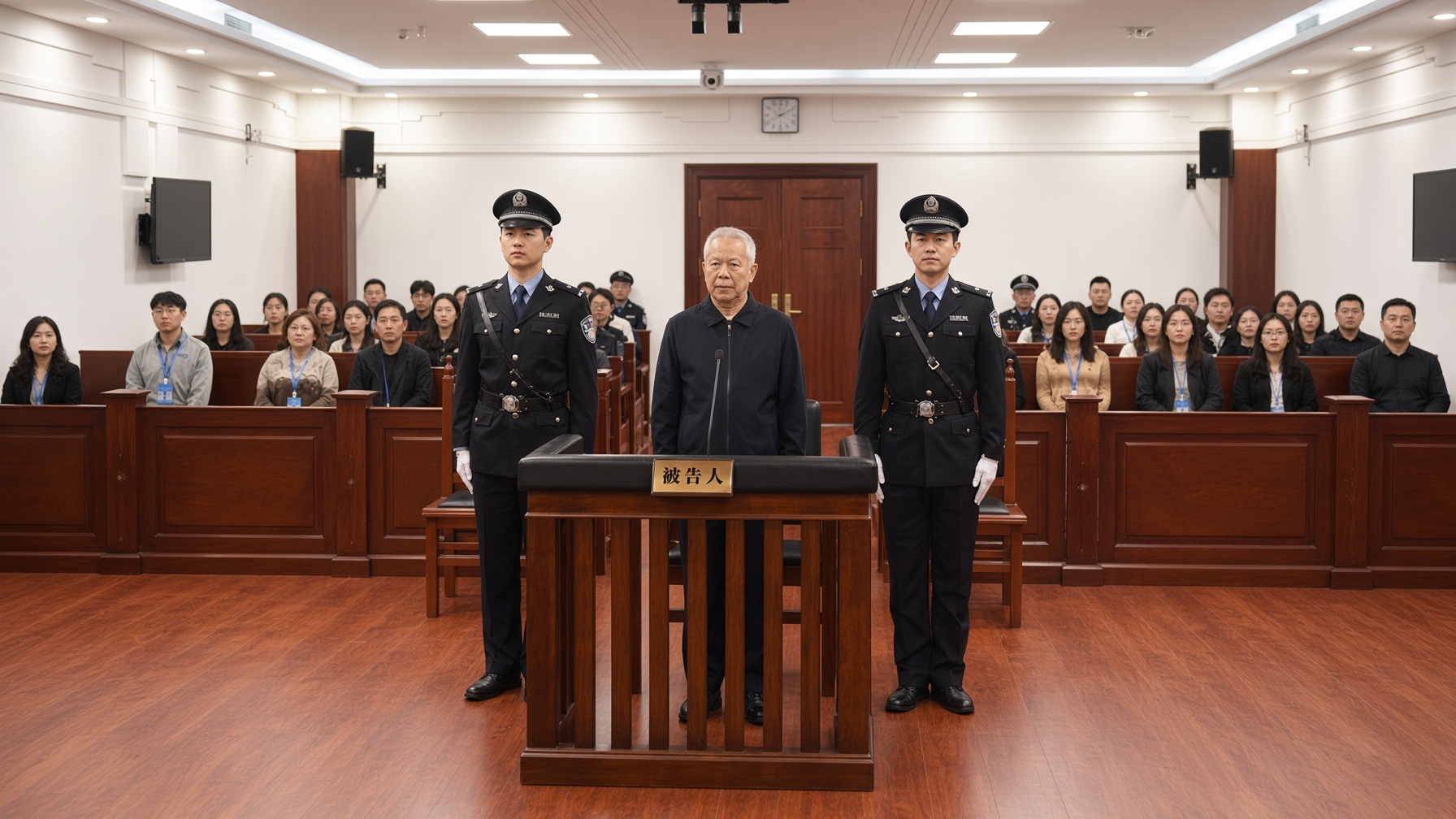
When China Eastern's board gave Liu Shaoyong a glowing sendoff in August 2022, praising his 'outstanding contributions' and 'faithful' service, nobody mentioned that prosecutors would later allege his bribery stretched through 2023. The Shenyang Intermediate People's Court's November 3 verdict—14 years in prison for more than $10.1 million in bribes—tells us something important about how Beijing evaluates airline leadership. It's not primarily about whether executives broke laws. It's about whether they prioritized party directives over commercial logic.
The specifics matter here. A central party inspection team examined China Eastern from October through December 2023 and published findings in February 2025 covering corruption leads and tightening controls over procurement. But corruption wasn't the only focus. The inspection report paired its discussion of Liu's misconduct with assessments of whether he was following Xi Jinping's instructions, supporting Chinese aircraft, operating at Beijing Daxing, and strengthening party supervision. This framing reveals the real offense: Liu ran an airline like an airline executive, not like a party cadre.
Consider the concrete examples. When China Eastern resisted moving wholesale to Beijing Daxing in 2019 due to legitimate commercial concerns about losing business travelers on routes like Beijing–Shanghai, Liu nevertheless outlined plans for around 200 aircraft there. When the government demanded broader route coverage and stronger marketing for China's C919 jetliner, Liu's airline signed a firm order for five planes in March 2021 but didn't make the aircraft program work. The party called for faster construction supporting maintenance. Liu prioritized capital efficiency. And when a March 2022 crash killed 132 people aboard China Eastern flight 5735, a scholar later suggested in June 2025 that the accident helped trigger scrutiny of him—scrutiny already underway through party channels.
Liu admitted guilt at his July 24 trial and received a lighter sentence because he confessed and disclosed bribery facts investigators hadn't uncovered. The Shenyang court fined him 4 million yuan and ordered disgorgement. But the real lesson isn't about his specific transactions involving hiring favors, unlisted company shares, or aircraft leasing arrangements. It's that running a Chinese state airline requires absolute alignment with party priorities, even when those priorities conflict with sound commercial judgment. Liu's restructuring left China Eastern's group with 45 percent ownership while ceding 45 percent to outside investors and 10 percent to employees—insufficient party control by Beijing's standards.
This prosecution enforces discipline over top leadership in ways that extend beyond traditional corruption enforcement. Liu was a former pilot and deputy head of China's aviation regulator who successfully led both China Southern and China Eastern, overseeing the Shanghai Airlines merger and SkyTeam entry. His tenure demonstrated commercial competence. That competence apparently mattered less than his failure to subordinate business decisions to party directives. For future airline executives, the message is clear: loyalty to Beijing's strategic vision must come before shareholder returns or operational efficiency.