A United Launch Alliance Vulcan rocket carrying 40 Amazon Leo satellites failed 10 minutes after launch from Cape Canaveral Space Force Station on November 15, 2026. The payload was lost entirely. ULA, a joint venture between Boeing and Lockheed Martin, stated it did not yet have specific data to understand the cause and promised to work with customers to determine corrective action and return to flight.
This marks the first complete mission failure in ULA's approximately 20-year history and the first Amazon Leo launch aboard a Vulcan rocket. The loss does not destroy the Amazon Leo project. Before the failure, Amazon had deployed 398 satellites across 14 launches, representing about 12% of the planned 3,236-satellite constellation.
Amazon plans to continue deploying satellites using other launch providers. Its next mission, scheduled for November 23 from French Guiana, will carry 36 more satellites aboard an Ariane 6 rocket. Amazon has contracts with several launch providers and hundreds of satellites ready for launch.
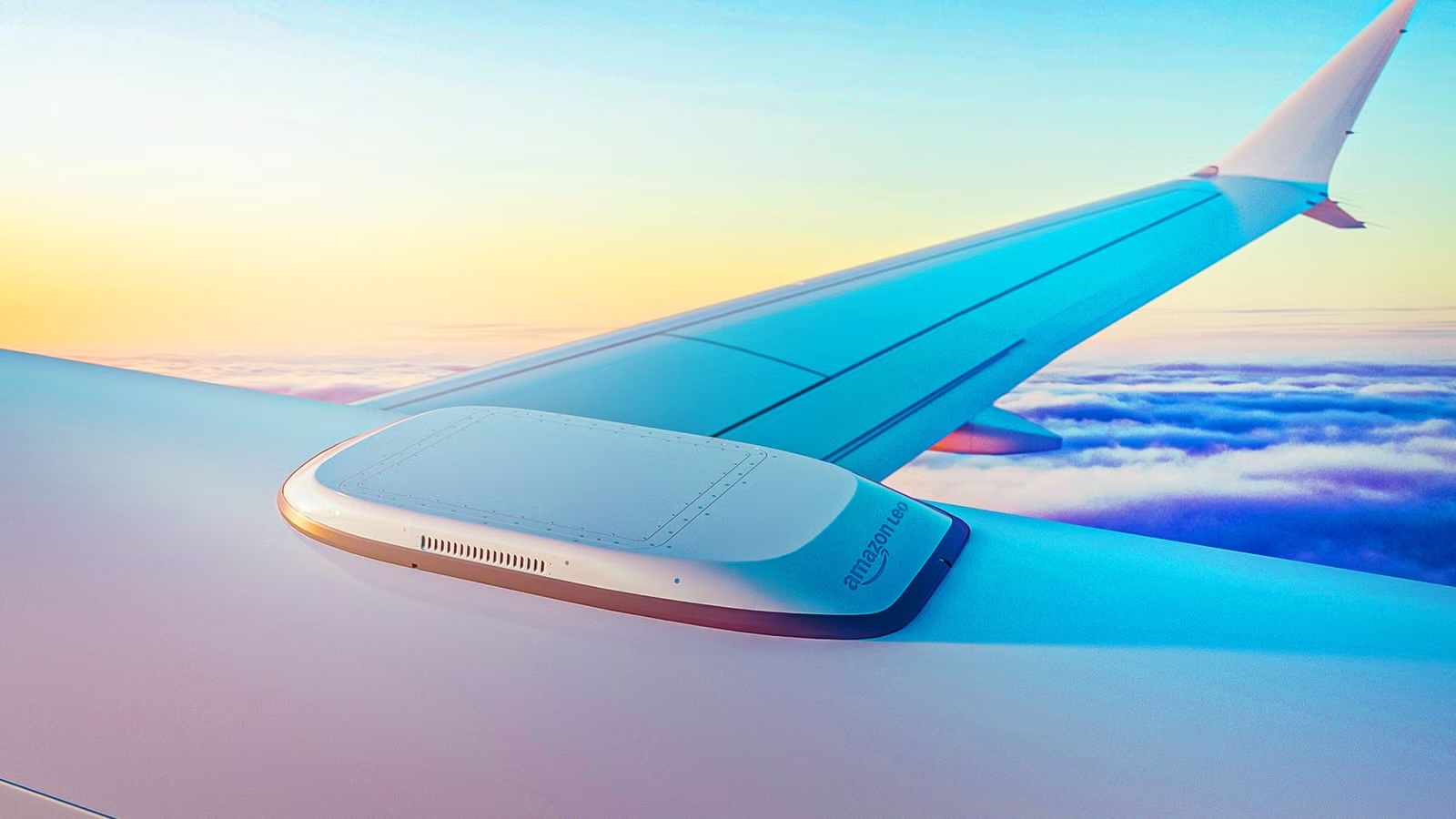
Delta Air Lines chose Amazon Leo over Starlink for its in-flight Wi-Fi system and committed to installing it on an initial 500 aircraft beginning in 2028. The carrier promises download speeds up to 1 Gbps and upload speeds up to 400 Mbps, with service free for SkyMiles members. However, Amazon Leo remains under construction, unlike Starlink, which already operates on hundreds of commercial aircraft.
United Airlines is installing Starlink throughout its fleet and expects completion by the end of 2027, potentially finishing before Delta installs Amazon Leo on its first aircraft in 2028. Delta CEO Ed Bastian has defended the decision, citing disagreements with Starlink over business model and customer access rather than any personal dispute with Elon Musk.
The launch failure highlights the execution risk Delta took by choosing an unfinished network over a proven product. Amazon has the resources, technology, and launch contracts to build a competitor to Starlink, but Delta selected a system that does not yet exist at the necessary scale.